Your expert guide: 2 days in Valencia, Spain
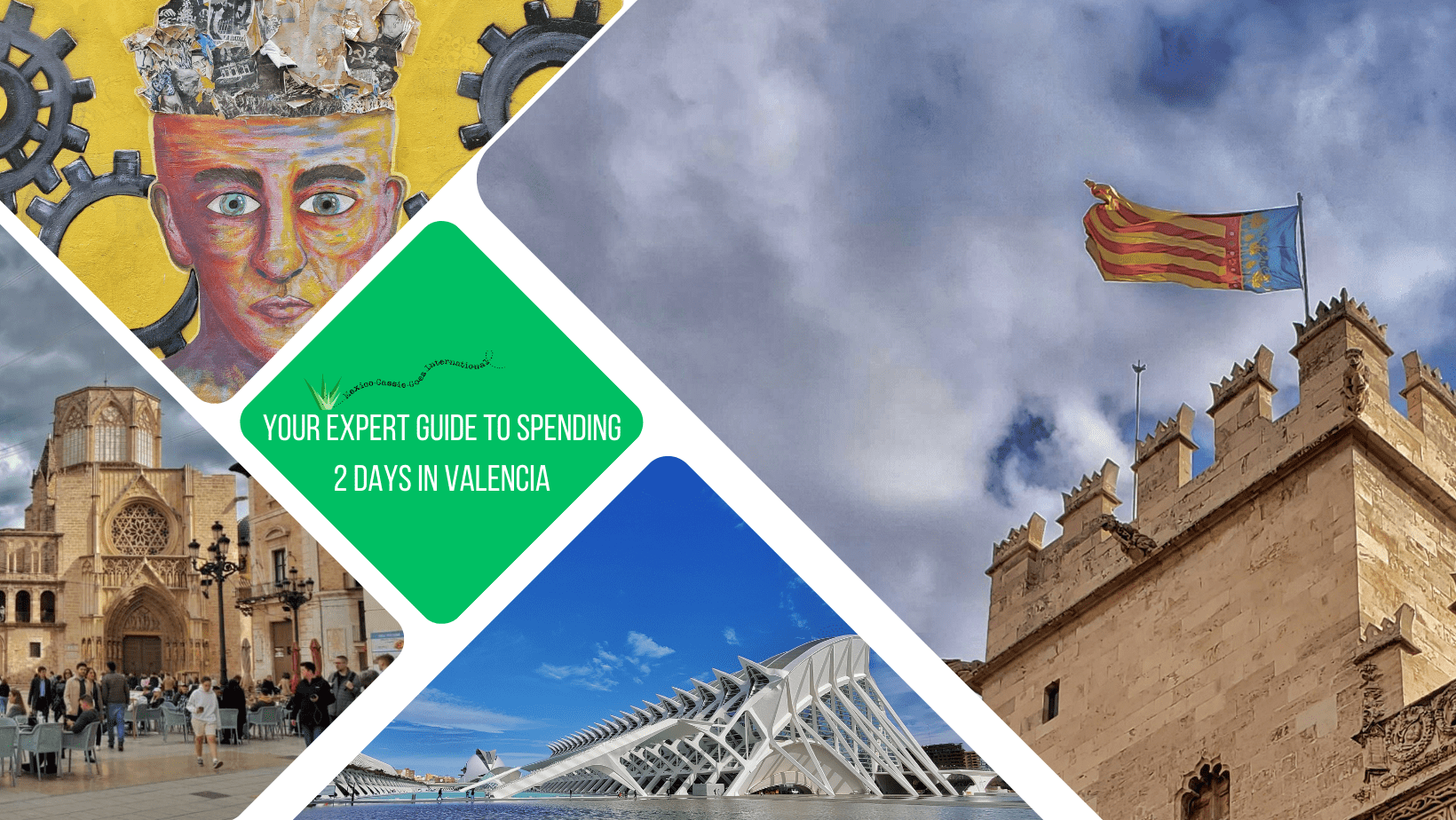
The city of Valencia is an excellent option for anyone looking to take a European city break. Spain’s 3rd biggest city is a charming port city with plenty to see and do. Whether you’re into history, culture, excellent food or chilling on the beach, Valencia is sure to tick all your boxes.
So, let’s take a look at my top tips for spending 2 days in Valencia.
There are affiliate links in this article. If you click and make a purchase I could make a small sum at zero cost to you. Thank you!
Why visit Valencia?
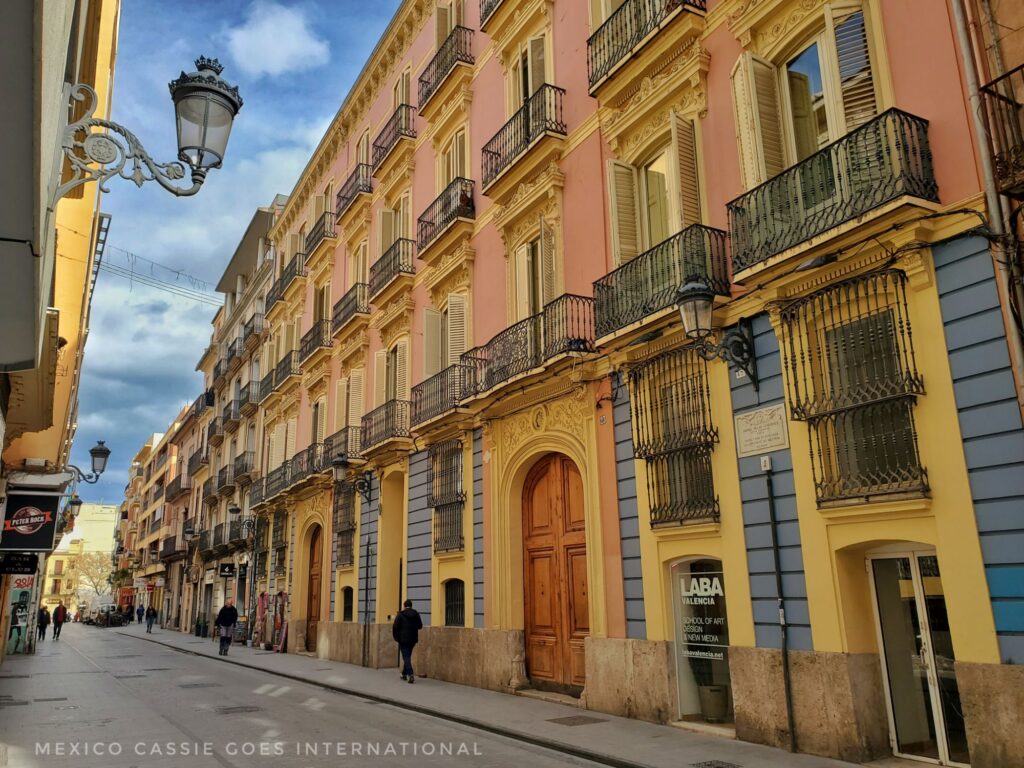
There are so many reasons why Valencia is a great destination for people wanting to see a little of Spain:
🧭 Location
Valencia, Spain’s third-largest city, is located on the Mediterranean east coast of Spain, just a few hours south of Barcelona. It is the capital city of the autonomous region of Valencia.
🔆 Climate
Valencia has a great climate thanks to its position on the Mediterranean coast. It is lucky enough to have mild winters and warm summers. With around 300 days of sun and an average temperature of 19℃ there is not really a best or worst time of year to visit.
🍽 Cuisine
Valencia is full of fabulous restaurants and tapas bars.
🥘 Paella – Valencia birthplace of paella. Paella is a traditional rice dish that you will find all over Spain but Valencia is absolutely acknowledged as the best place to try it. In fact, if trying paella is high on your list of plans for your trip to Spain, better to choose Valencia over Seville, or any other city.
🍅 Pan con tomate – in this tomato growing region you should definitely try a traditional breakfast of pan con tomate. It’s very simple but extremely delicious: bread topped with tomato, salt and olive oil.
🍹 Agua de Valencia – this cocktail will make you smile 😉 – think gin, vodka, orange juice and cava.
🥛 Horchata – a traditional soft drink that you can try as you explore the city of Valencia.
🔎 History
Valencia was founded by the Romans in 138 BCE and after the Romans left, came the Germanic rulers (Visigoths) and then the Moors who made Valencia into an independent Emirate in the eight century. It remained under Moorish control until 1238 when Jaime of Aragon laid siege to the city and expelled the Moors.
The 15th century was known as the Valencian Golden Age, and during this period the city flourished. Many of the most famous landmarks in Valencia today were built during this period including the Serranos Tower, la Lonja de la Seda and the Miguelete Tower. It was also a major slave trade centre, something you won’t see mentioned as you wander around. During the Spanish civil war, the government relocated from Madrid to the Republic of Valencia and Valencia was actually the capital of Spain between 1936 – 37.
🌳 Nature
🏖 Located as it is, on the Mediterranean Coast, a trip to Valencia means you can easily visit the beach for an hour or two.
🌳 The Turia Gardens are a major draw for people visiting the city. This old riverbed was almost turned into a highway before environmentalists got involved and today, we’re lucky enough to have this magnificent park sweeping its way around the city of Valencia.
🍃 Albuferia Park is also easily reached for anyone who desires a walk in a wetlands reserve while in Valencia.
🎉 Las Fallas
The Fallas festival has been declared “Intangible Heritage of Humanity”. Between 1 – 19 March every year, Valencia turns into a massive festival that combines tradition, satire, art and fire! During the festival, fallas (monuments made of wood and papier mâché) are placed around the city to be admired by all before being set on fire! It truly has to be seen to be believed!

Valencia Essentials
⭐️ Languages: Valencian (similar to Catalan), Spanish and English
⭐️ Pick up a Valencia tourist card to make savings on tourist sites and public transport
⭐️ Use Radical Storage to store your luggage as you explore
⭐️ Use airalo e-sim to ensure your phone works in Spain
⭐️ Best mid-range hotel: Yours Boutique
Where to stay in Valencia
If you only have 2 days in Valencia you’ll want to think carefully about where you’re going to stay, especially because accommodation isn’t super cheap in this beautiful city.
🚗 If you’re driving in, I recommend staying just outside the old city because really parking is nigh on impossible in Valencia without careful planning in advance.
🚌 If you’re coming in by plane, train or bus then I recommend staying in the old city (Ciutat Vella).
🏨 Outside ciutat vella MexicoCassie recommendation: Hotel BestPrice Valencia – despite the terrible name, this is a really great hotel. It offers an an airport shuttle & the all important parking available as well comfortable beds & great staff.
🏨 Top ciutat vella MexicoCassie recommendation: Only You Valencia is a 5⭐️ hotel located right in the heart of the old city near everything you might wish to see. The rooms are fabulous, and the bar & restaurant will knock your socks off.
How to get to Valencia
The city of Valencia is well served by public transport.
✈️ The airport is just 20 minutes from the city centre. There are low cost airlines in Europe serving Valencia.
→ Check your flight options here
🚂 Valencia’s train station is called Estació del Nord and it’s nicely central to the city. The metro stop for this station is Xàtiva.
→ Check train timetables & buy tickets on RailEurope
🚌 The main bus station (Estación de Autobuses) in Valencia is on Avenida Menéndez Pidal. The nearest metro is Turia and the direct bus to the airport is #150 from this bus station.
→ Check bus timetables & buy tickets on Busbud
🚗 If you’re planning on driving around the region, I highly recommend renting a car but otherwise, it’s possible to hire private drivers or call cabs whenever you need.
→ Book a car through Discover Cars
→ Read the MexicoCassie guide to driving around Spain
2 days in Valencia
Let’s take a look now at how best to plan your 2-day Valencia (Spain) itinerary. If you are planning on using public transport then you could invest in a Valencia tourist card as it brings with it the benefit of free public transportation including to/from the airport.
If you only have 1 day in Valencia, you can also see most of what the city has to offer, just faster!
Valencia itinerary – day 1
Ciutat Vella
Your first day in Spain’s third largest city should begin in Valencia’s old town. This is where the action is.
Morning
You could either choose to explore the narrow streets and airy plazas alone or to take one of the many excellent tours available.

➡️ While you’re strolling around town admiring the historic architecture, check out the Plaza Redonda, the Plaza de la Reina and the Plaza de la Virgen, all delightful plazas in which to sit and watch the world go by.
➡️ Be sure to keep your eyes open for street art in Valencia as there is plenty to enjoy.
If you’re not a walker, there’s a hop-on hop-off tourist bus, or you can take a bike ride tour or even a segway tour of this gorgeous Spanish city.
Climb the Defensive Walls
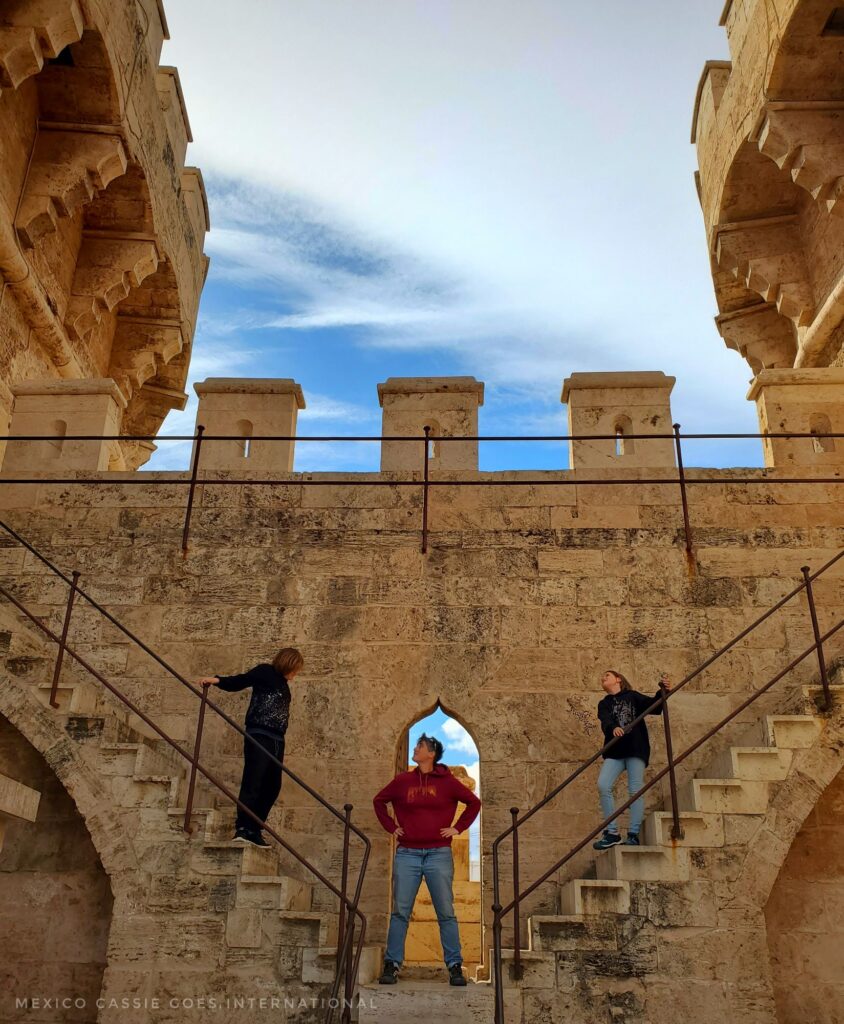
Anyone visiting Valencia must climb at least one of these two gates, knees permitting, of course. The views over the city from both are great and this is a great way to begin exploring Valencia’s city center.
Torres dels Serrans
This 14th century gate and part of the medieval wall offers wonderful views over the city from the tower and the architecture of this defensive structure is a joy to behold.
Portal del Quart
We climbed this section of the wall and had a great time marvelling at the views and taking photos on the Escher like stairs.
Apart from the Torres dels Serrans, this is the only remaining medieval entrance to city of Valencia. It was built in the 15th century.
➕Walking from here down Calle Quart to the centre is a perfect way to get a feel for this lovely city.
Valencia Cathedral
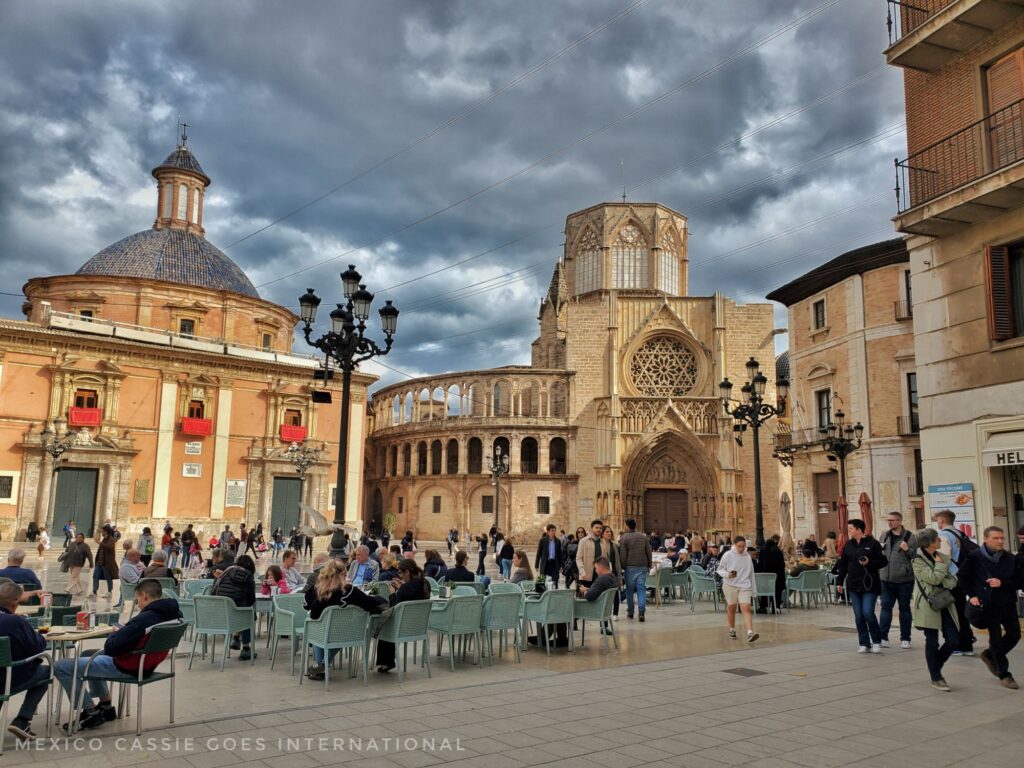
✅ Valencia’s 13th century cathedral, like so many others around the world, was built atop earlier religious sites – first there was a Roman temple on this spot and later a mosque.
🏆 The cathedral is interesting to visit because it holds some important Renaissance art as well as pieces by the likes of Goya. Apparently there’s also a Holy Chalice (Holy Grail) in the cathedral. The Vatican claims it was used by Jesus at the Last Supper so there’s that.
🔔 If you do choose to visit, don’t miss out on climbing the Miguelete tower, the cathedral’s bell tower. Quite apart from the fabulous views from the top of the tower, climbing gives you the opportunity to also see another local tradition that has been declared an Intangible Cultural Heritage by UNESCO: the manual ringing of the bells. In the Miguelete tower you’ll get to see one of the best sets of Gothic bells in Spain including a bell from 1305.
Mercado Central (Central Market)
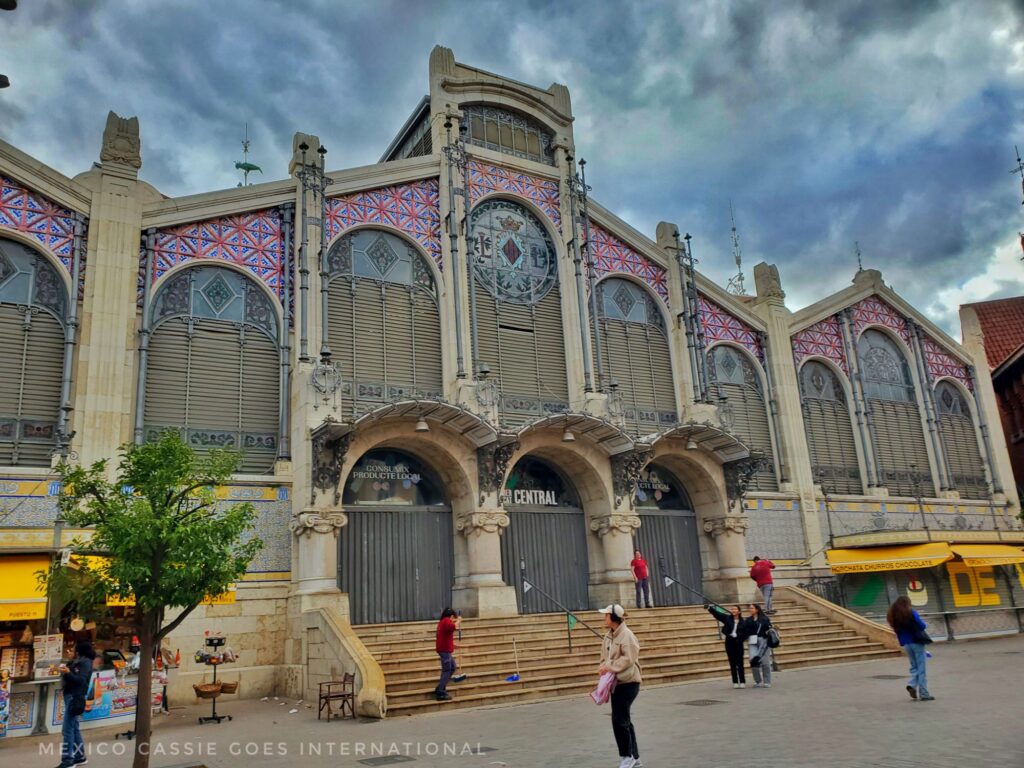
This is the largest market in Europe and its fresh produce is outstanding. Even if you don’t care much for Spanish markets, the beautiful building is worth exploring. As ever with Spanish markets, go in the morning to see it at its bustling busiest.
⭐️ Take an awesome 2 hour walking food tour of Valencia that starts with exploring the market and includes paella and tapas tastings
I recommend having lunch in the market – there’s even a Michelin Star chef working within the market- or, you could head out to a restaurant to find a paella valenciana – as we’ve said, this super Spanish dish actually comes from Valencia so where better to try it than in Valencia?
Did you know?
Spaniards would never eat paella in the evening. This is a lunch dish as it’s considered too heavy to eat later in the day.
Afternoon
La Lonja de la Seda
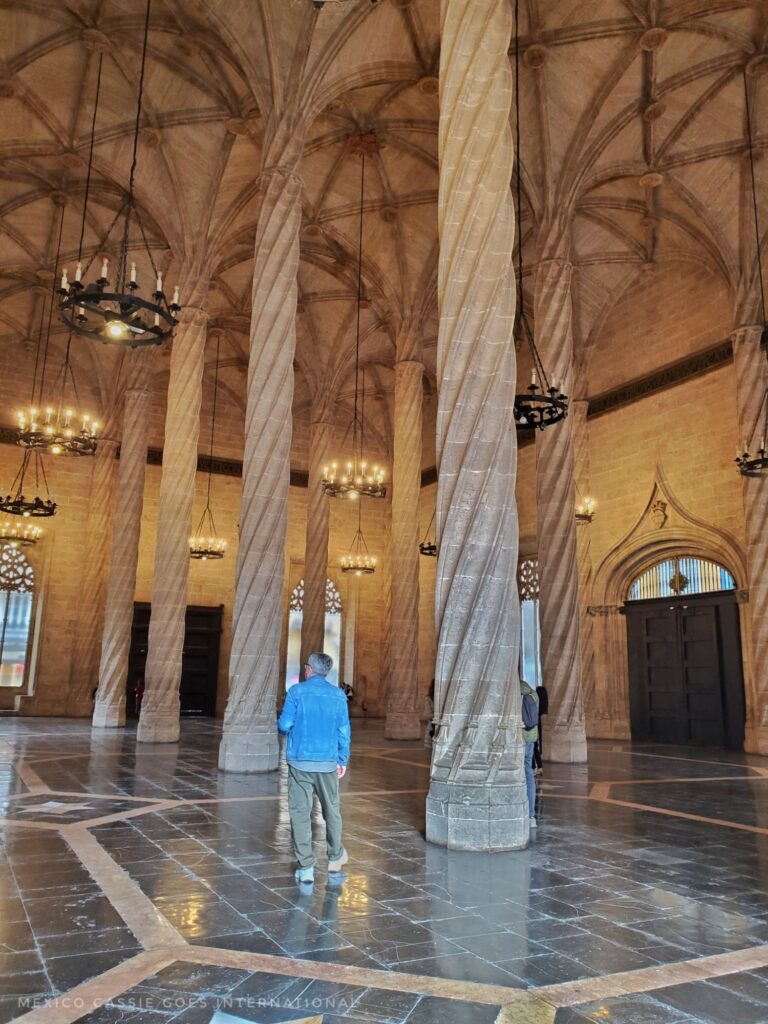
This gorgeous 15th century building is Valencia’s only UNESCO World Heritage Site (unlike Córdoba, which has multiple UNESCO sites). Here, silk and olive oil were traded.
The courtyard is delightfully full of orange trees and the main hall, the Columnario, will take your breath away (if you like old buildings). If you want to climb the Silk Exchange tower (I did) then you’ll need to be brave and make a phone call -695 500 290- to reserve your spots. I didn’t know this so just showed up expecting to be allowed up. I was not.
Top Tip: Every Sunday (10 am – 1 pm) you’ll find a flea market outside the Lonja.
Visit a museum
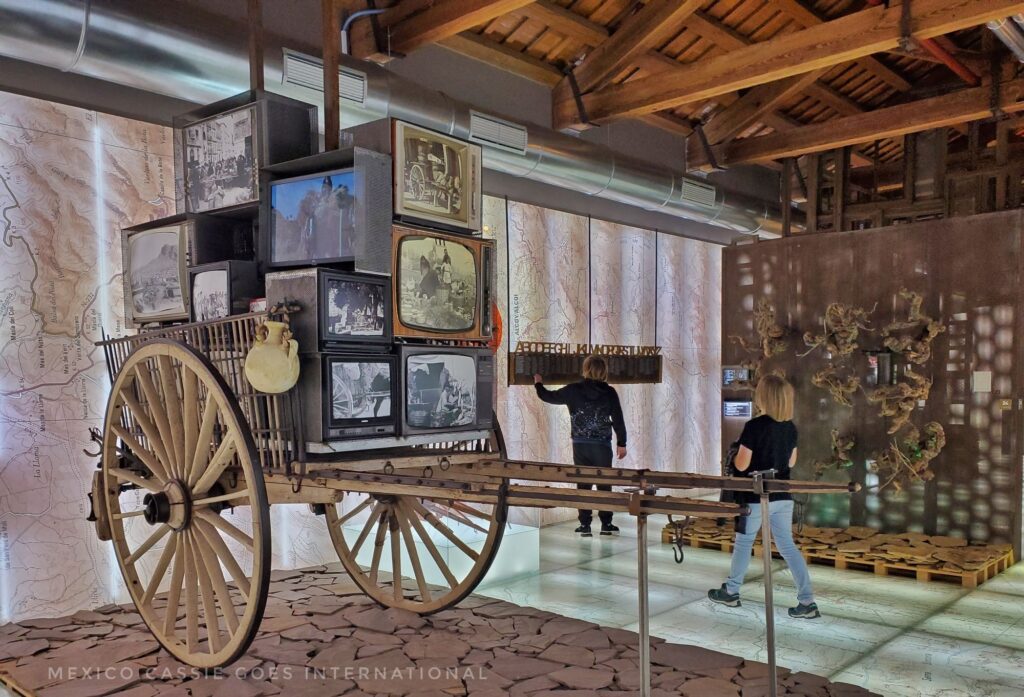
If you’re a museum lover then you’re going to have to pick from the fabulous selection of public museums on offer in Valencia.
La Almoina – Home to a collection of archaeological remains that include Roman ruins that were discovered on this site.
History Museum (Museu de la Història de València) – located in an underground 19th century reservoir, this museum traces the history of the city – includes videos in English.
Museum of Prehistory (Museu de Prehistòria de València) & Valencian Museum of Ethnology (Museu Valencià d’Etnologia (L’ ETNO) – excellent free museums in the same location showcasing the history of the city from its earliest inhabitants through the civil war and onto the problem’s of modern society.
Modern Art Institute (Institut Valencià d’Art Modern) – various exhibitions of modern art.
Museum of Fine Arts (Museo de Bellas Artes) – an impressive building housing Valencian and Flemish art from the 15th – 19th centuries.
Museo Fallero – interesting for anyone who wants to see old figures and sculptures saves from the bonfires of previous fallas.
Palau de la generalitat – when it’s open, it is free to visit this 15th century palace that is also the seat of government for Valencia. However, it’s rarely open – if you do get to see it, look up so you don’t miss the gorgeous ceilings.
Evening
After you’re done with your museum of choice it’s time to take a breather before the evening begins. Remember, evenings start later and go on later in Spain than in many other parts of the world so you may want a sneaky siesta/snooze.
If you’re looking for entertainment you could book to see a flamenco show or find a fun evening tour and somewhere to eat tapas. And why not wash it down with an agua de Valencia.
⭐️ 5 star top rated evening walk through the ciutat vella followed by wine and tapas in an 11th century monument
→ Book your evening walking tour
⭐️ Spend the evening engrossed in flamenco at the El Toro y la Lunda flamenco show (with or without meal/drinks)
→ Book your flamenco show
Day 2
Begin your day with a typical Spanish breakfast (coffee and bread for the adults, churros for the kids) before heading out to make the most of your second day in Valencia.
Here, I recommend choosing between
➡️ visiting the world famous Ciutat de les Arts i les Ciències (City of Arts and Sciences) at the far end of the Turia Gardens
➡️ spending the day at one of the many Valencian beaches
➡️ visiting the museums you’re sad you didn’t get to visit on day 1
Ciutat de les Arts i les Ciències
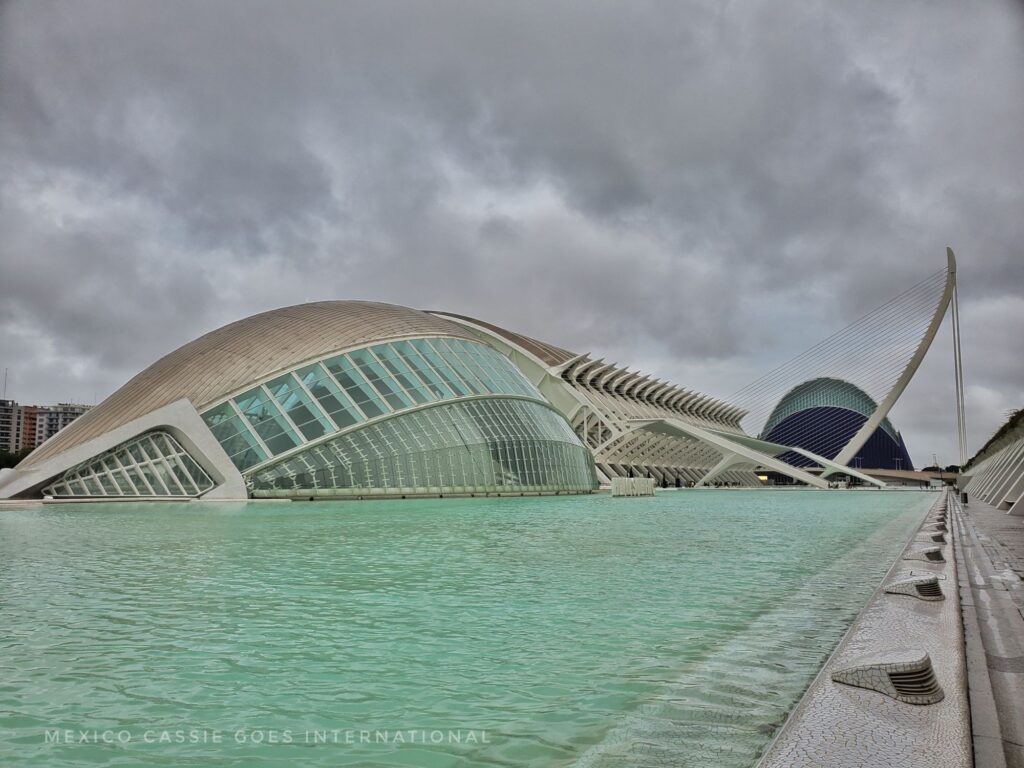
One of the major draws of Valencia is the incredible architecture of the City of Arts and Sciences. The main buildings are:
🔬 The Science Museum: Housed in a gorgeous building this science museum has exhibits that will interest kids and adults (not always the same ones).
→ Buy your skip the line Science Museum tickets and beat the queues
🐠 Oceanogràfic Aquarium: The largest aquarium in Europe and home to a very impressive shark tunnel that is also apparently the longest in Europe. I was troubled by the fact that this otherwise excellent aquarium holds both Beluga whales and dolphins in captivity and has the dolphins performing multiple times a day.
🎞 Hemisfèric: An Imax housed in one of the gorgeous buildings in the park.
➡️ We bought the bundle ticket (below) for the aquarium and Imax on the same day and it worked out well. There are bundle tickets for the science museum, aquarium and Imax entry but I don’t really think there’s time for all 3 in one day.
→ Buy your skip the line Oceanagràfic and Hemisfèric bundle now
🤑 Caixa Forum: A building used for concerts and events.
🎵 Queen Sofia Palace of the Arts: A performing arts centre with opera house and more.
🌴 L’Umbracle: a modern community garden full of palms.
If you’re visiting Valencia with kids then this is a great option because the science museum, aquarium and Hemisfèric will keep them entertained for ages. We actually spent 2 days here, using 1 day for the science museum and the 2nd day for the aquarium and hemisfèric.
If you’re child free, then it’s still worth visiting this area to marvel at the beauty of the buildings (architect Santiago Calatrava) and follow it with a walk through the gardens too. If you’re hungry, there’s a mall with plenty of decent restaurants opposite (although my kids wrangled McDonald’s out of us here so we can’t vouch for the quality of any of them!).
That said, if you’re not feeling the need to explore inside the buildings, you could take a bus to the beach for a tapas lunch and an afternoon of fun on the sand.
Valencia’s beaches / nature
🏖 The closest beaches are Playa de la Malvarrosa and Playa de las Arenas.
Playa Malvarrosa – this is a busy city beach with a lively prom
enade and plenty of restaurant options
Playa de las Arenas – right next to Malvarrosa is Playa de las Arenas
Playa de la Patacona – on the other side of Malvarrosa
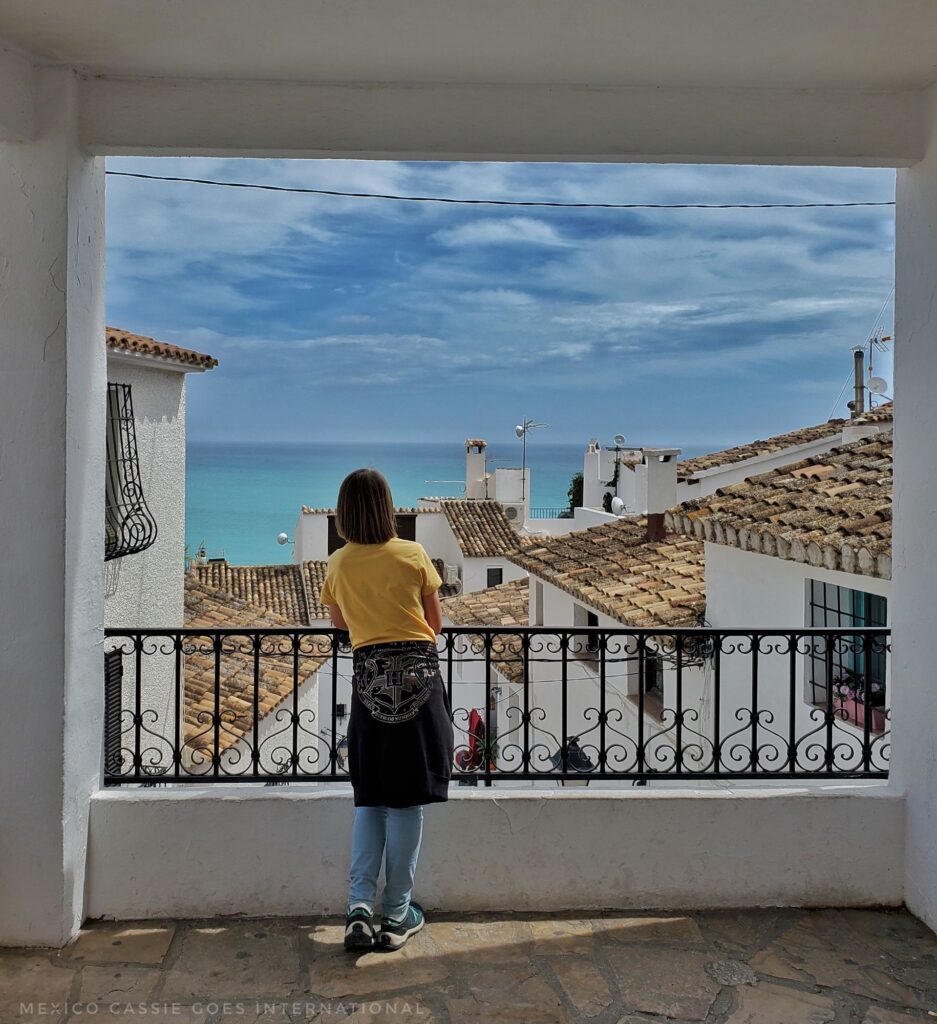
or, if you have a car you could take a drive to a beach further away such as Altea (photo above), Benidorm or Alicante for the day.
➡️ Check out the very best day trips from Valencia
⭐️ Take a jeep tour (self-drive or driven) around Albufera, enjoy a 45 minute boat ride on the lagoon before hitting the beach at El Saler to enjoy tapas and drinks on the sand.
And where is next?