SEVILLE: 5 incredible alternatives to the Alcázar
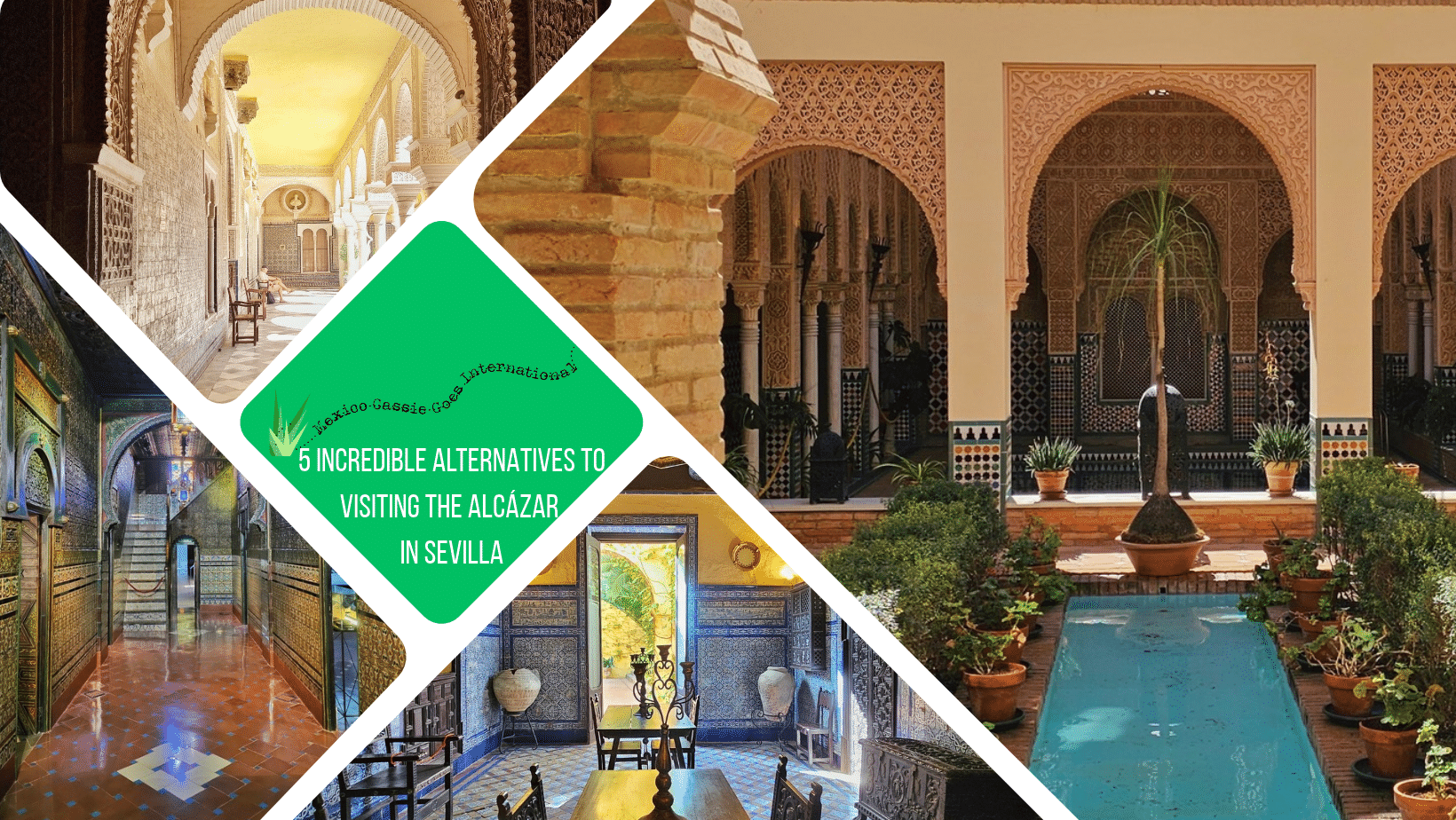
Why would you be looking for alternatives to the Alcázar if you’re visiting Seville? Well maybe you’re pushed for time and are worried the Alcázar will take too long, maybe you forgot to get tickets in advance and now there are none left, or maybe you just don’t really want to visit it.
And of course, you can visit the Alcázar and all of these five options too should you so wish!
Three of these suggestions are in the centre of Seville, while the other two are in the Province of Sevilla but in small towns not too far from the city.
There are affiliate links in this article. If you click and make a purchase I could make a small sum at zero cost to you. Thank you!
🏰 If you are looking for information on how to ensure you don’t miss out on visiting the Alcázar, the MexicoCassie guide to booking tickets, tours and visiting solo, will be invaluable.
🏨 If you want to stay in a ‘statement hotel’ while in Sevilla, a fascinating or gorgeous building with history, I highly recommend Casa de la Judería. In my opinion it’s the most interesting of all the hotels in Sevilla.
⭐️ If you’re looking for a friendly person to show you around, I recommend the AmiguíaCass service
Palacio de las Dueñas
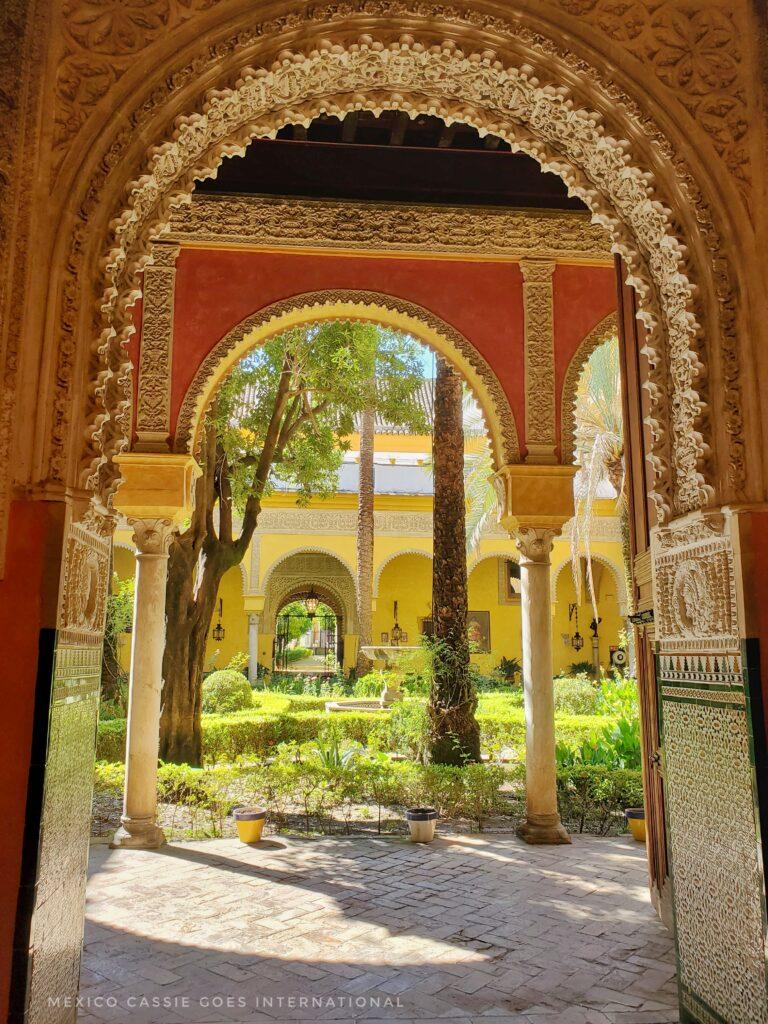
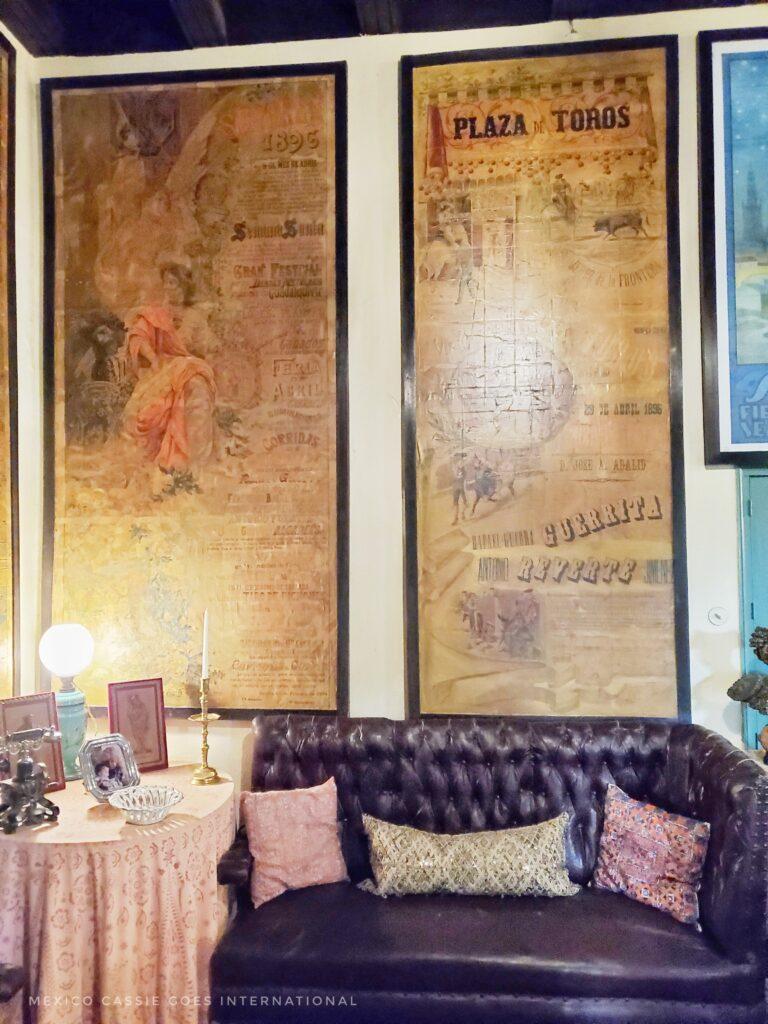
🕣 Monday – Thursday 10 am – 6 pm. Friday 10 am – 3 pm (summer hours are slightly longer and there are a few days of the year they close – consult the web for more information)
💶 €15 basic ticket (with audioguide), €22/23 with guide (language variation), various reduced rates including locals and children. There are other options such as evening opening to choose from too
🆓 Monday afternoons (only if booked on the website)
Why visit the Palacio de las Dueñas?
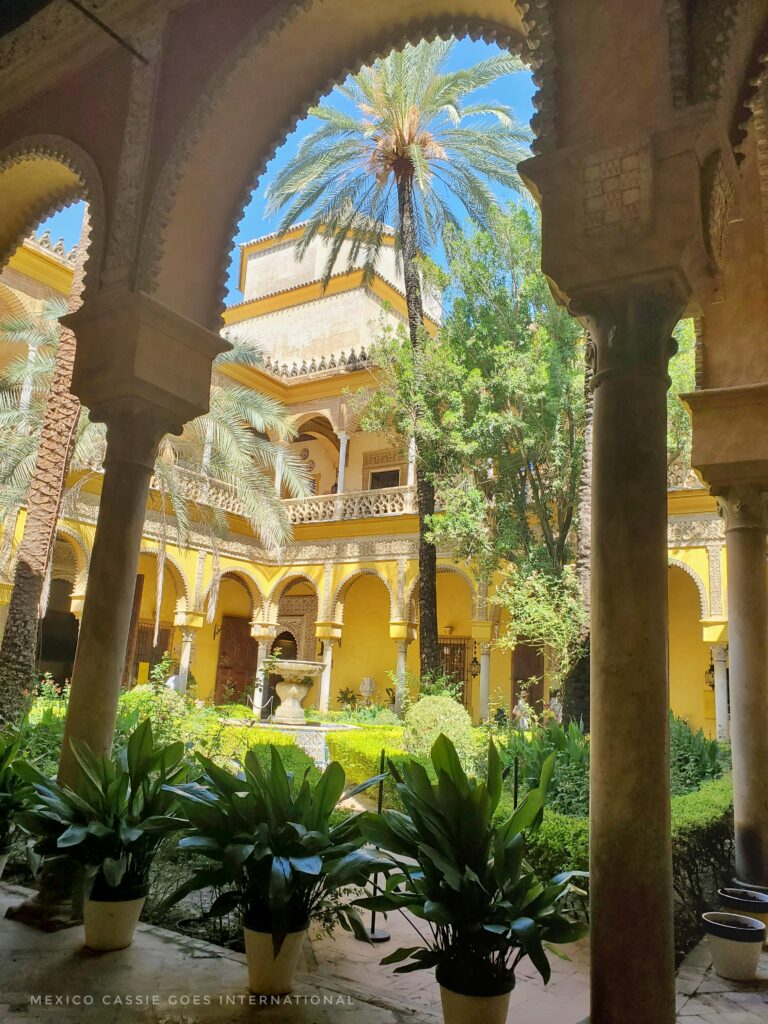
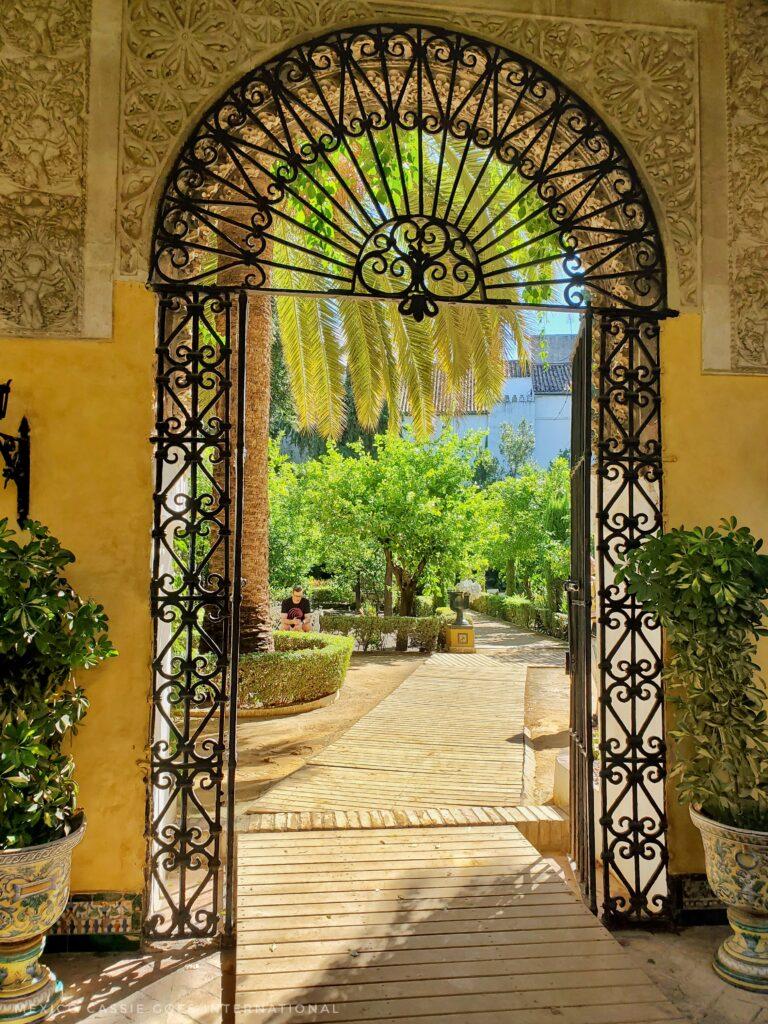
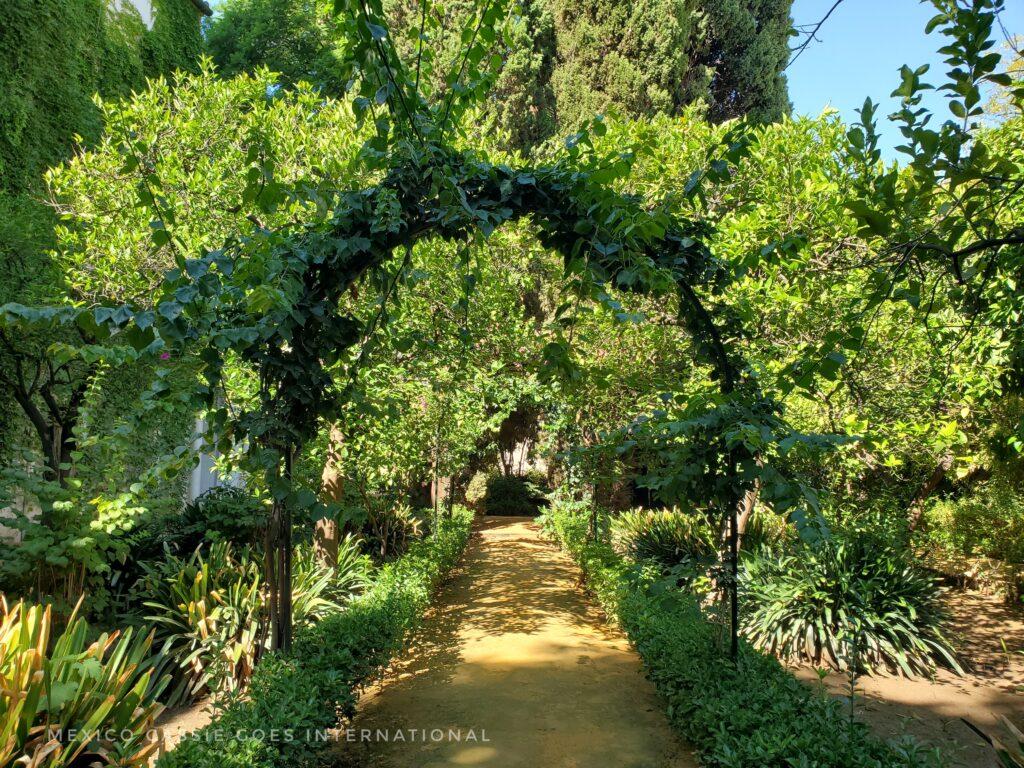
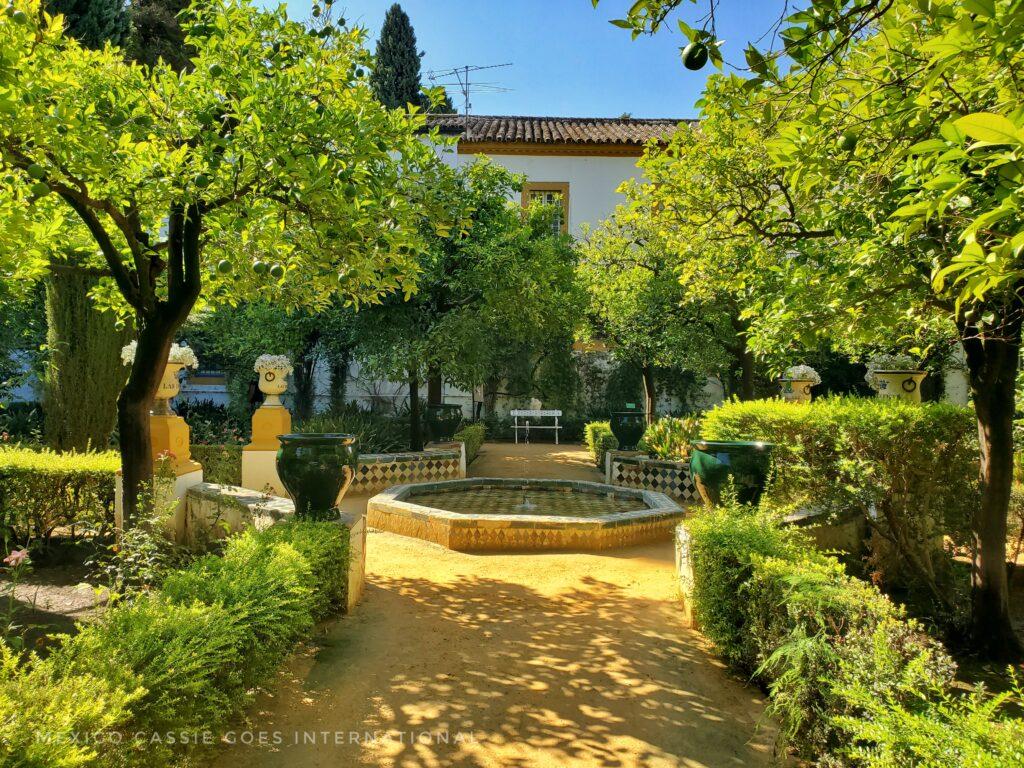
Gardens – For me, the biggest draw of this place is its exquisite gardens, From the moment you enter the grounds you’re aware that you’re somewhere special. The yellow columned patio is full of plants and trees and is exceptionally beautiful. The gardens radiate peace in a way the weirdly decorated rooms emphatically do not (for me).
History – Built in the 15th and 16th centuries, this small palace takes its name from an former monastery nearby and has had a variety of overly wealthy owners including the Duke of Alba.
In the 19th century it was actually a ‘casa de vecinos’, a kind of tenement house. One of the most famous Spanish poets was actually born in this house, Antonio Machado (b.1875).
By the 20th century, the house had become a place for ‘important’ Europeans and Americans to meet including people such as Emperor Eugenia de Montijo, Edward VIII, Alfonso XIII, Grace Kelly and more. The house is the home of the current duke.
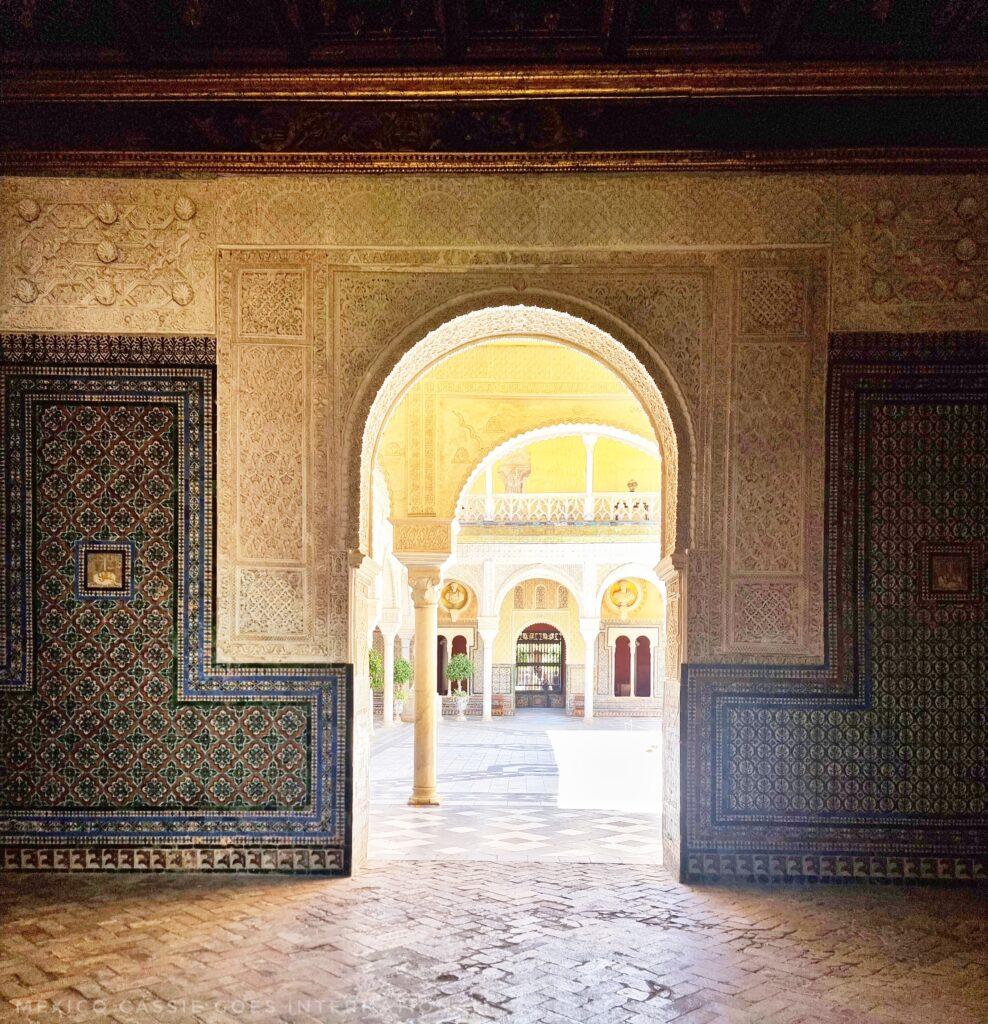
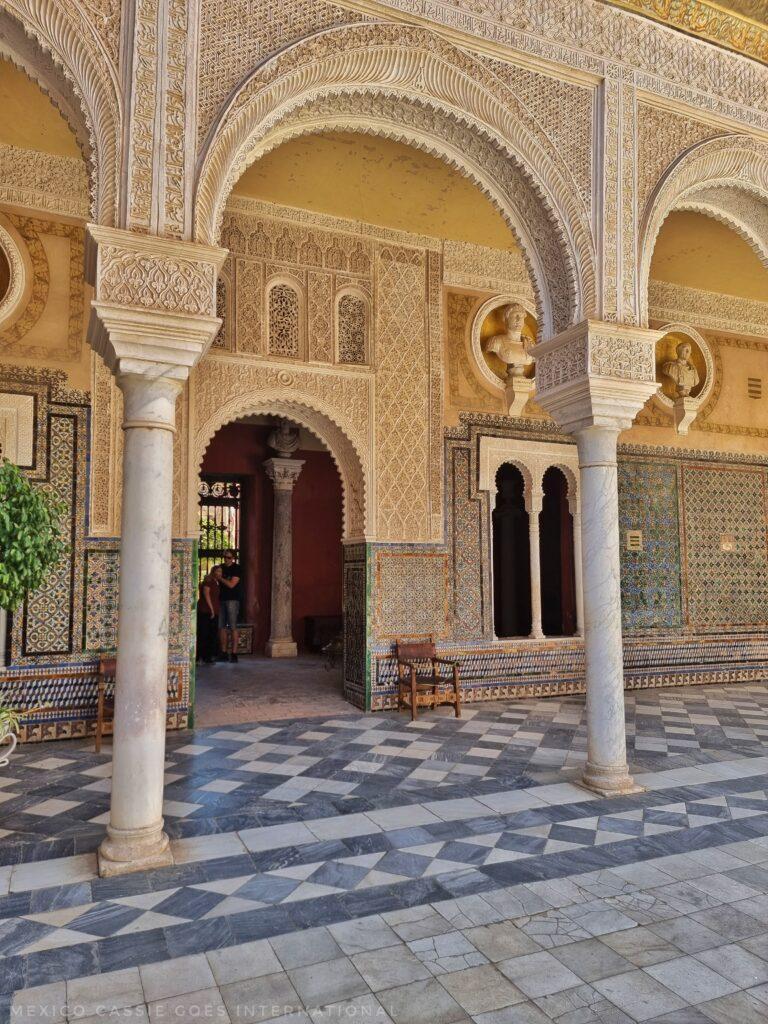
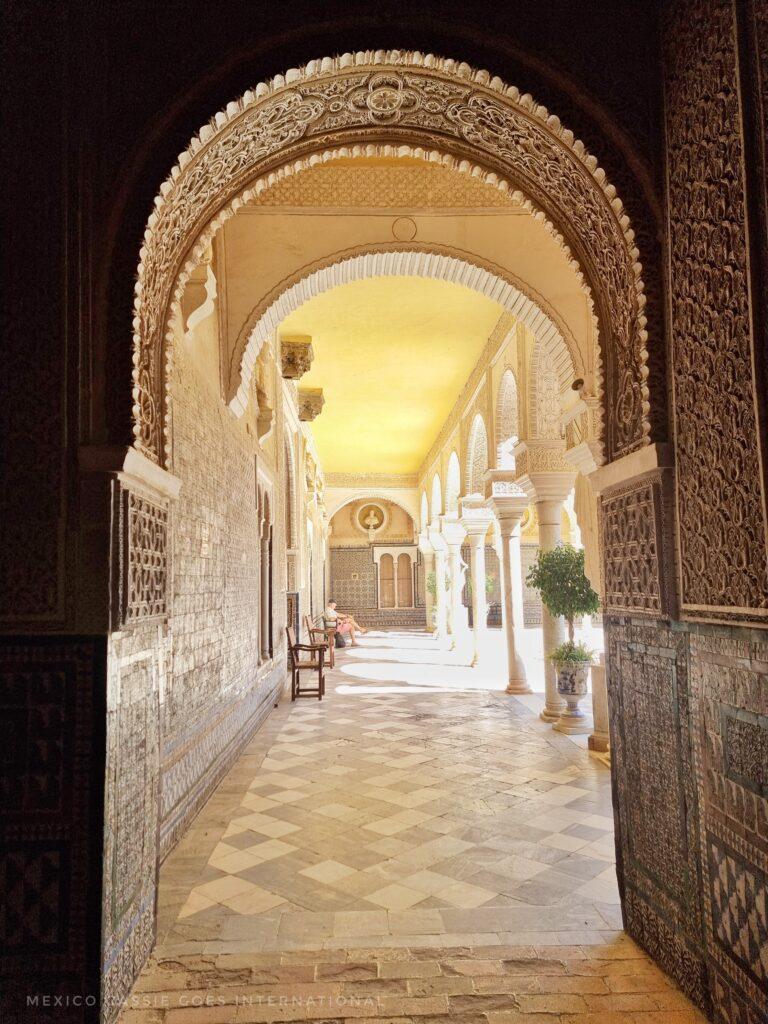
Casa de los Pilatos
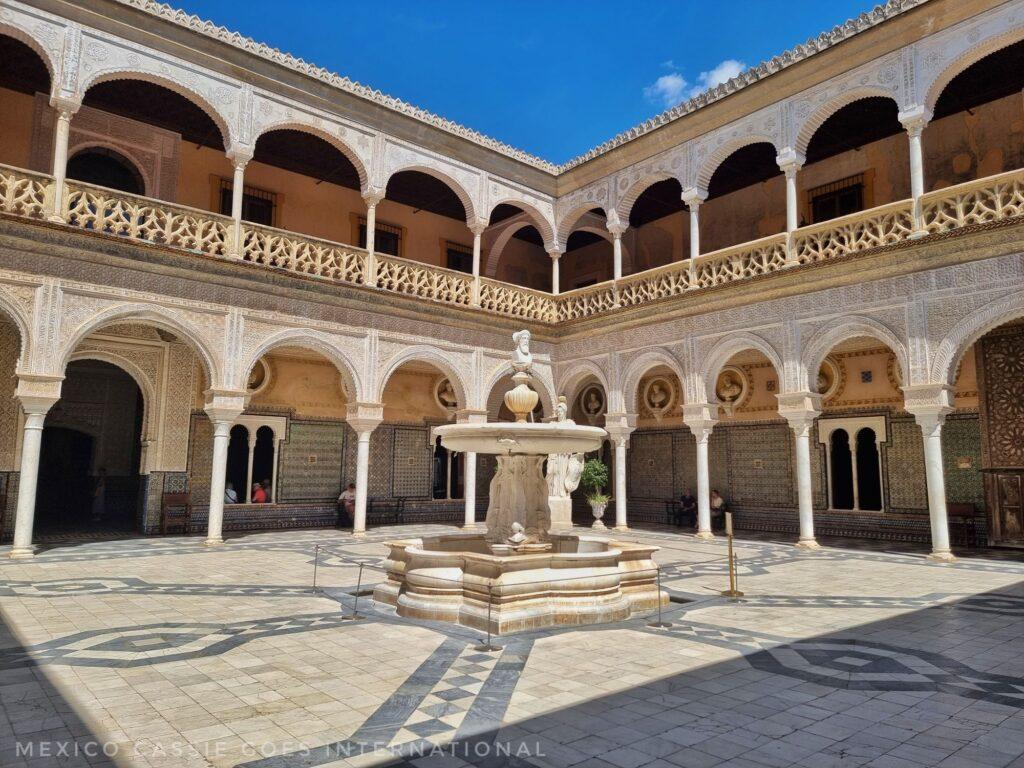
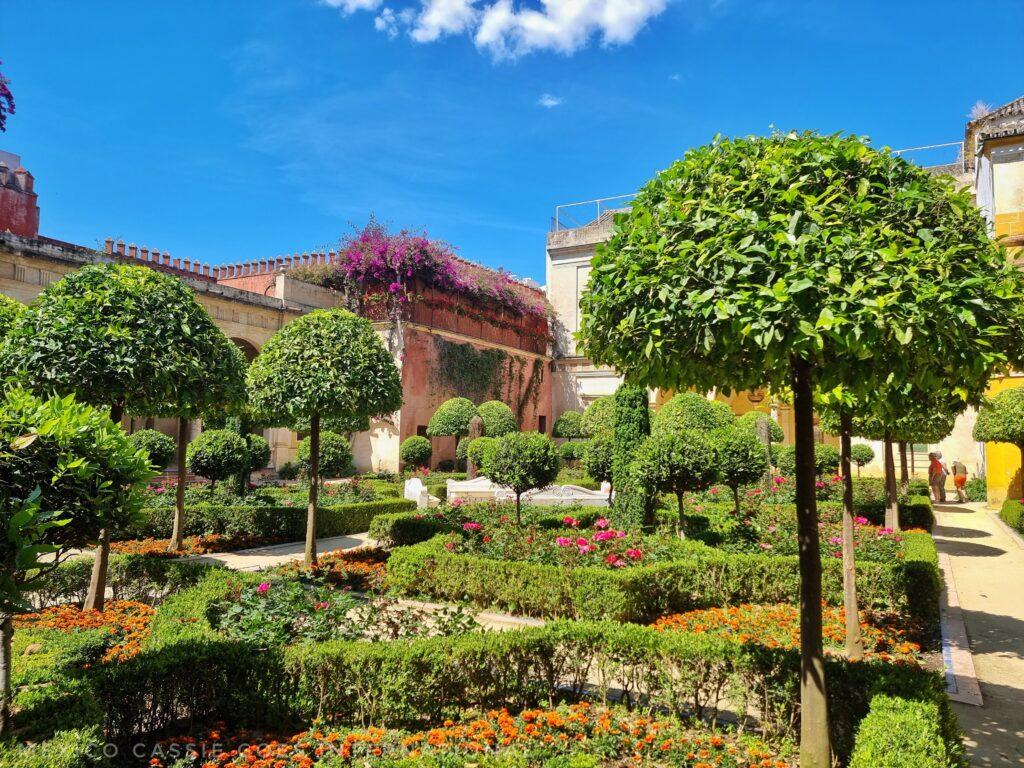
🕣 9 am – 6 pm daily
💶 €12 to visit the main floor, additional €6 to see upstairs (both with audioguide)
Why visit the Palacio de los Pilatos?
This15th century palace is incredibly ornate and impressive. It’s built in a mix of styles including gothic, mudejar, renaissance, and romanesque.
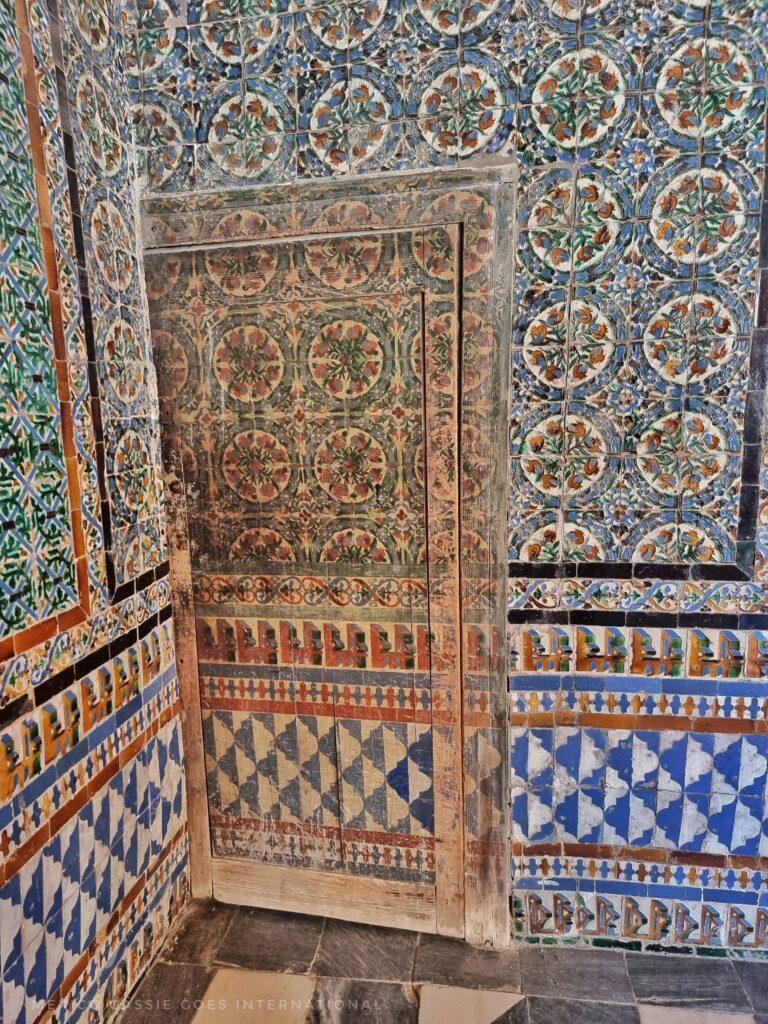
Traditional tiles – Like the Alcázar, there are imposing tiled rooms including the Flagellation Chapel (teehee), the Praetorian Hall, and numerous others
Astounding dome – Over the grand staircase is an extremely impressive wooden carved inverted domed ceiling that was built to replicate the dome in the Alcázar’s Salón de Embajadores. It is apparently one of four of its kind in the whole world.
Gardens – I found the gardens to be less impressive than those of the Palacio de las Dueñas. The Praetorian Garden contains a typical Moorish long waterway that makes for great photos as it ends in a gorgeous purple bougainvillea. The larger garden is nicely ornate and full of trees.
Note: I didn’t go upstairs, I was with my entire family on a visit here and it was very hot. No one had the energy for the whole thing.
Want MexicoCassie to take a look at your travel plans?
Of course you can plan your own trip, that’s why you’re here using my guides! But an expert pair of eyes can be extremely useful when you’re feeling overwhelmed, simply have too many ideas, or you’re not quite sure where to begin.
I offer informal & fun travel planning sessions, bespoke itinerary planning and AI itinerary checking, all based on my many years of travelling and adventuring.
Palacio de la Condesa de Lebrija
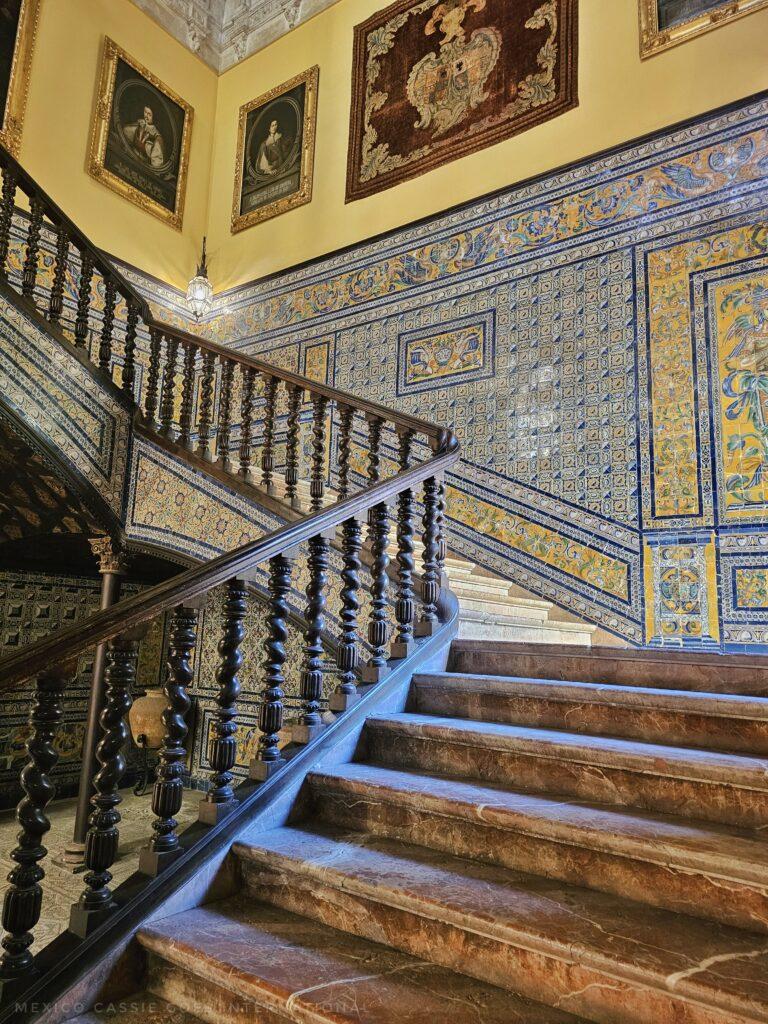
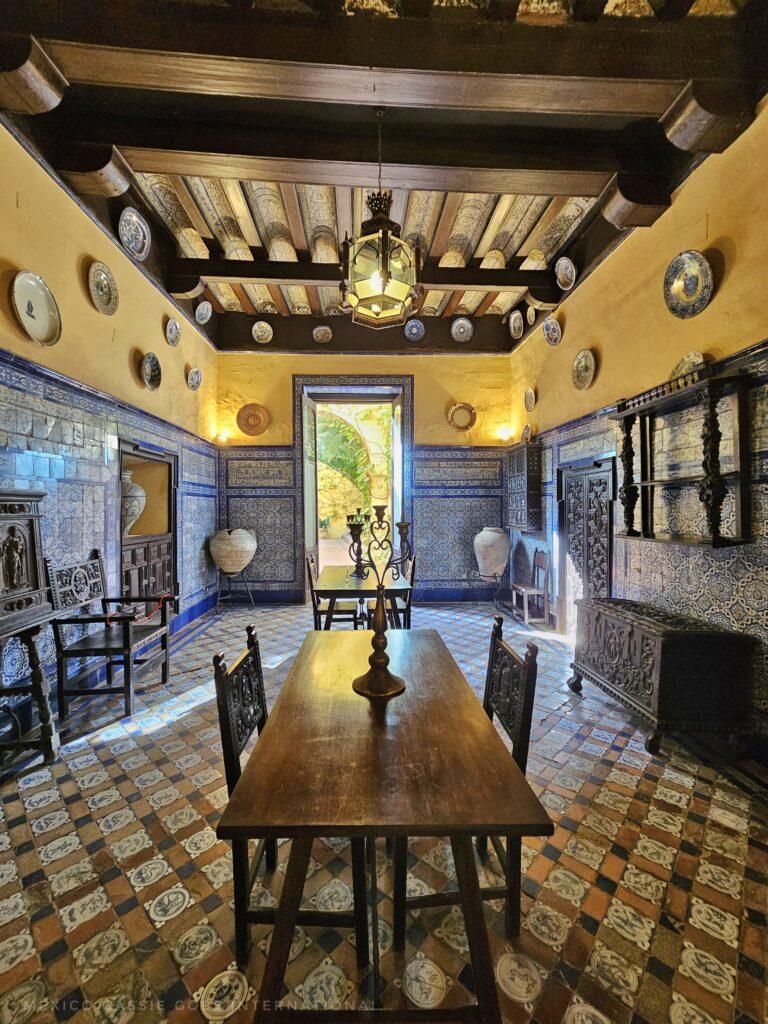
🕣 September – June 10 am – 6 pm. July & August 10 am – 3 pm
💶 €15 p/p €6 kids 6 – 12
🆓 Fridays at 10am
Why visit the Palacio de la Condesa de Lebrija?
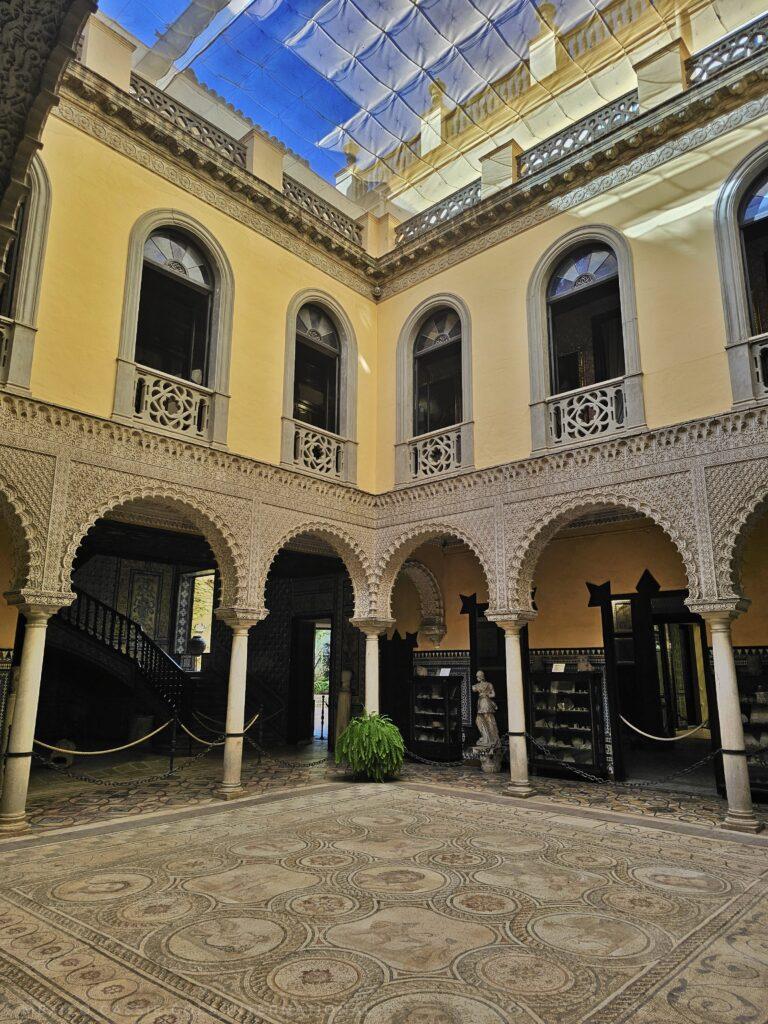
This fascinating house was bought and renovated by the Condesa de Lebrija. Not only is the house itself interesting to explore but it’s home to the best collection of mosaics in Europe.
For me, the story of the Condesa is absolutely fascinating if you can get one of the staff to tell you about her.
The entry price includes a guided tour of the upper floor of the house, with guides in Spanish and English. I opted for Spanish, which was great as everyone else was on the English tour, leaving me free to ask questions and get more information than a regular tour would offer.
Feminist history – You couldn’t exactly call the Condesa a feminist because she probably wouldn’t have called herself one. However, she was an extremely talented woman who used her intelligence, abilities, money and access to power for good (so the story goes). She asked her father to provide her with information about archaeology long before women of her ‘status’ were being educated so formally. He did so and her lifelong obsession with archaeology began.
⚱️ At 13 years old she asked the people living in Santiponce /Itálica to sell her the ‘rubbish’ they were throwing away. This rubbish, by the way, are the Roman artifacts you’ll see saved in her house.
→ Read the MexicoCassie guide to day trips from Seville to learn more about Itálica
She refused to marry when her mother told her to, she studied, was highly influential in the local cultural scene, and she was the first female member of the Real Academy of the Bellas Artes in Sevilla. Eventually in her 40s she married for love.
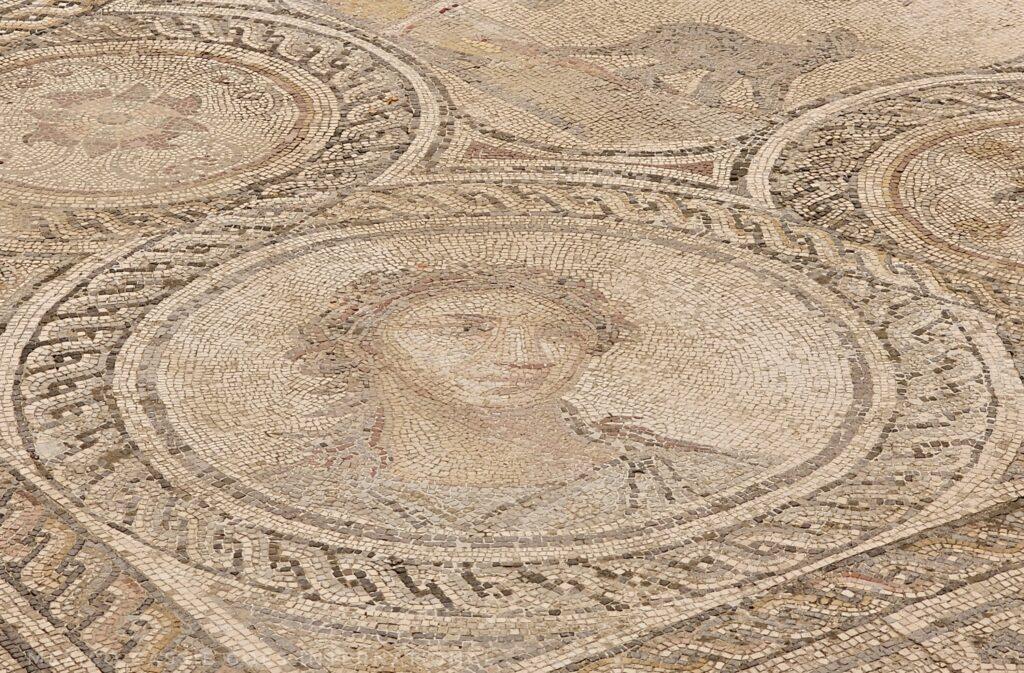
Roman history – She was obsessed with Itálica before Itálica was even known. Everyone knew that “Old Sevilla” was underneath the farms in Santiponce but no serious excavation work had been done. The mosaics that are now in her house were rescued from farms. The main mosaic, in fact, was the floor of a pigsty until she rescued it. Over the years the Condesa funded many excavations there and also lobbied the government for laws to protect ruins. According to the tour I took, it’s thanks to her pressure that there is a “law of excavation” in Spain.
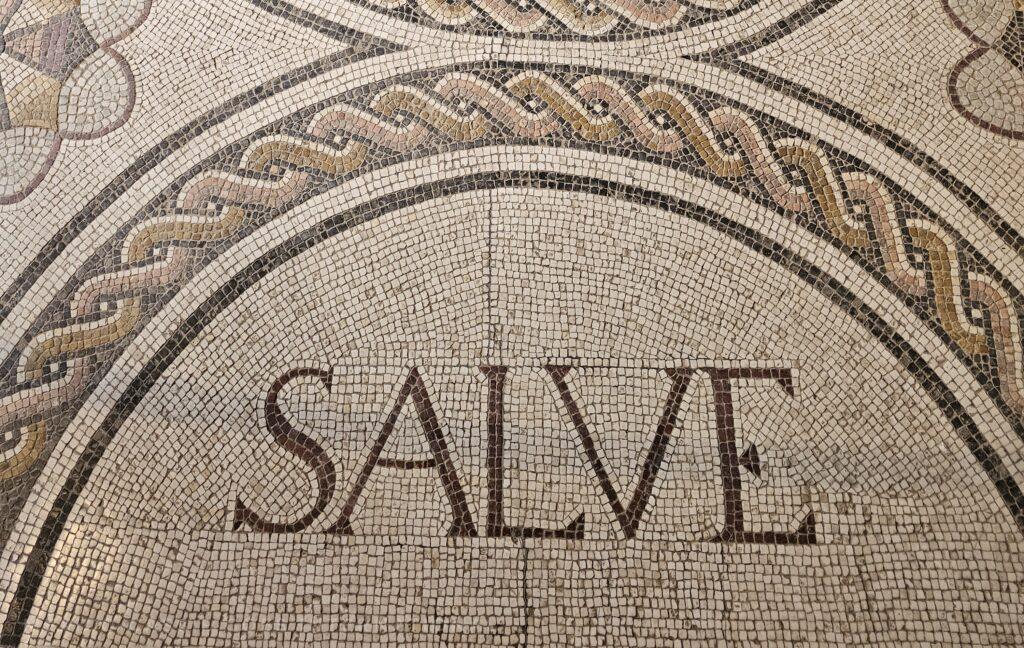
Mosaics – Normally mosaics are totally roped off, here there are so many and they’re so large that you’re actually walking on them! This house is apparently home to the best collection in Europe.
Controvesy – Naturally, there are plenty of people who think that the mosaics should be returned to Itálica now that the site is fully protected, rather than remain in the hands of a rich family. I asked about this and was told that if the family doesn’t protect them fully, the government has the right to remove them.
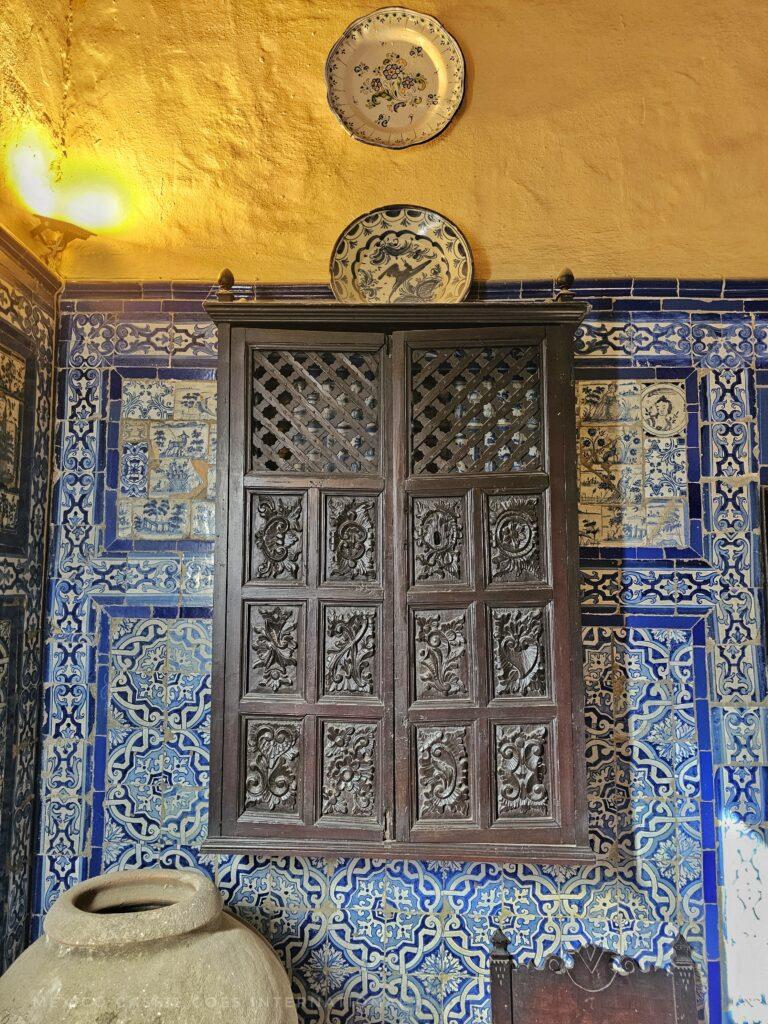
Tiles – The tiles here are also gorgeous. I could have spent hours in the “summer dining room”, the tiles and the light here are spectacular.
⭐️ This palace is featured in my guide to Quirky Sevilla
Are you finding my travel guides helpful?
Every tip helps me keep them online!
Now, we leave Sevilla city centre to head out of town slightly. The following suggestions also all feature in the MexicoCassie guide to exploring Seville Province.
Casa de Blas Infante
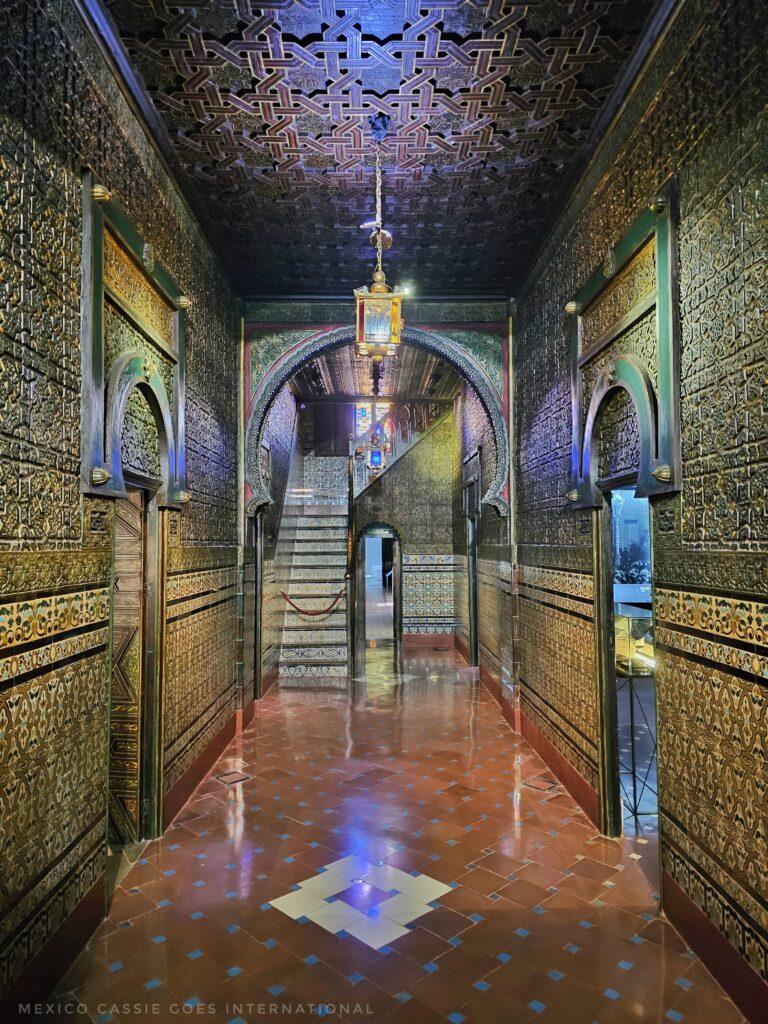
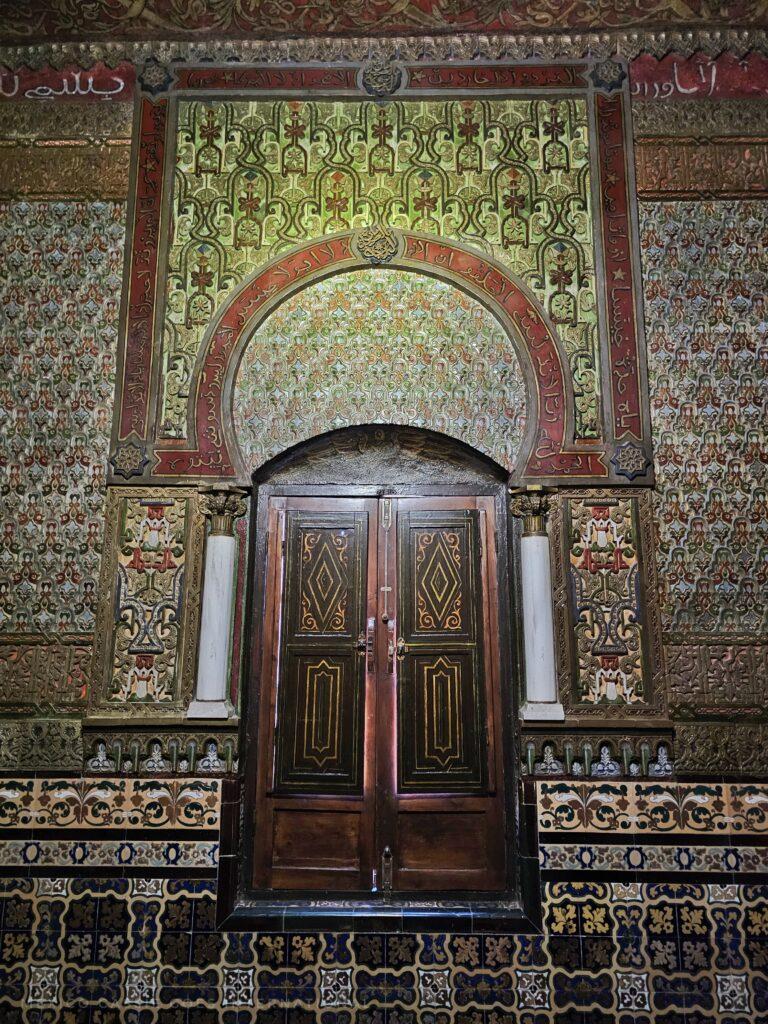
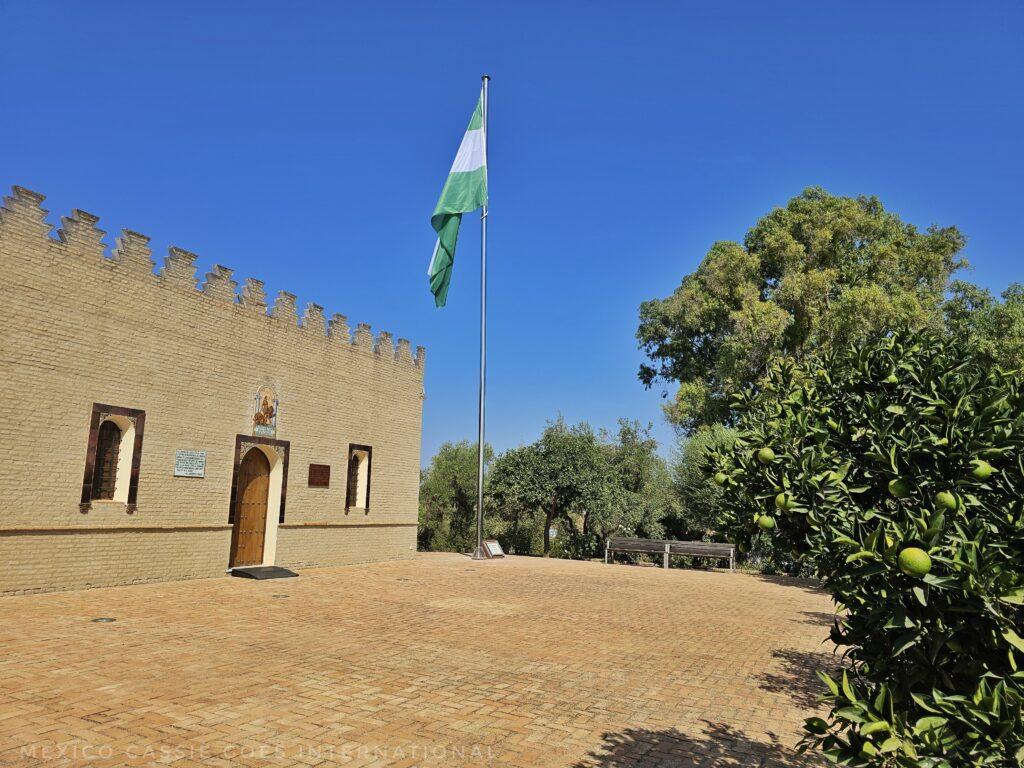
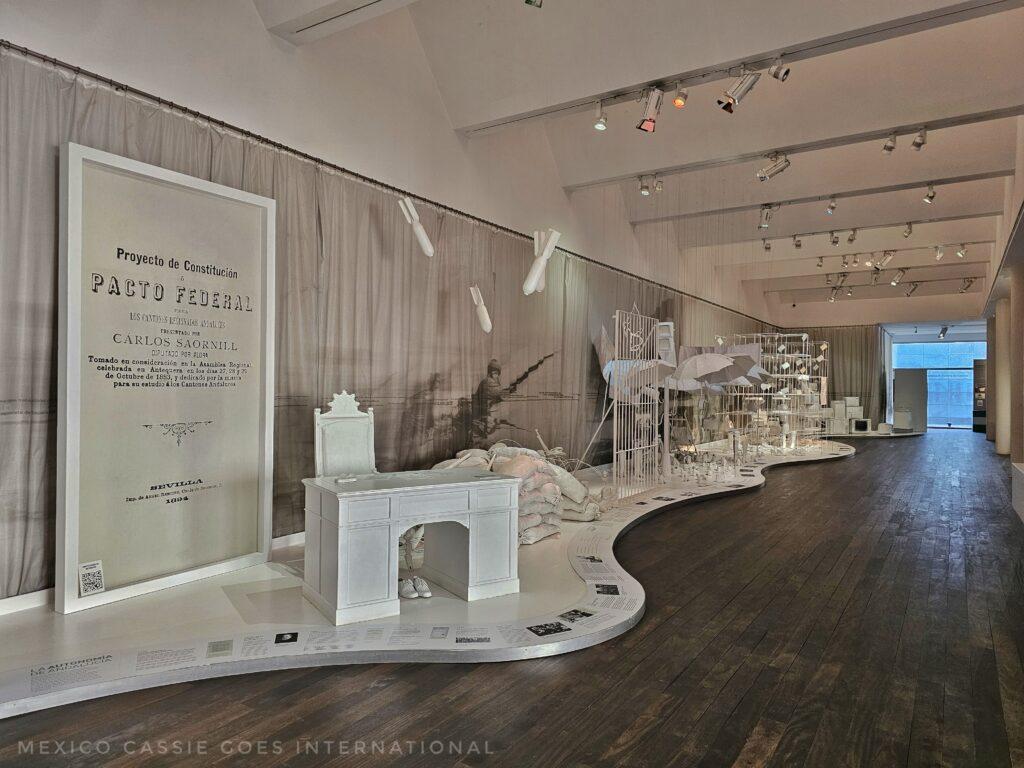
🕣 10 am – 2 pm & 5 pm – 8 pm daily except Mondays
🆓 It’s free to enter but you must register for a ticket. You can do this online before you arrive or staff will help when you arrive
📍Coria del Río
Why visit the Casa de Blas Infante?
This early 20th century house belonged to Blas Infante, a left-wing politician considered by many people in the community to have been the ‘father of Andalucía’. He was murdered by the fascists during the Civil War.
Today, his final home, in Coria del Río is a part of the Museum of Andalucían Autonomy. Both are well worth a visit. The museum is visitable alone and then you’re guided through the house. The house is also known as Dar al-farah, or Casa de la Alegria – House of Joy.
I asked the guide and he said that he can offer the tour in English too.
Infante believed that Andalucía is a nation with its own distinct history and identity. He was loud about his views that the poverty of Andalucía was a direct result of colonial policies imposed by Madrid after the Catholic Conquest in 1492. He idealised the Al- Andalus era as being the defining marker of regional identity. He was fascinated by religion but was not particularly religious. When you visit his house you’ll clearly see his fascination for the ‘divine’ as you explore.
The house, while a plain Mudejar brick style from the outside, is stunningly beautiful and eclectic inside. Built between 1931 – 33 it is a fascinating place to get to know. Half of it is in a pure Al-Andalus style, the other is more traditional Christian Andalus style.
The house is small but it’s a fascinating place to explore. It’s covered in tiles, and at times feels as if you’re in a mosque even though actually everything written in Arabic script in the house is secular, in fact it’s apparently an homage to his mother.
One room is decorated with incredible tiles telling the story of Don Quixote, apparently so that the children of Infante would enjoy ‘reading’ the walls.
Carmen de los Arrayanes
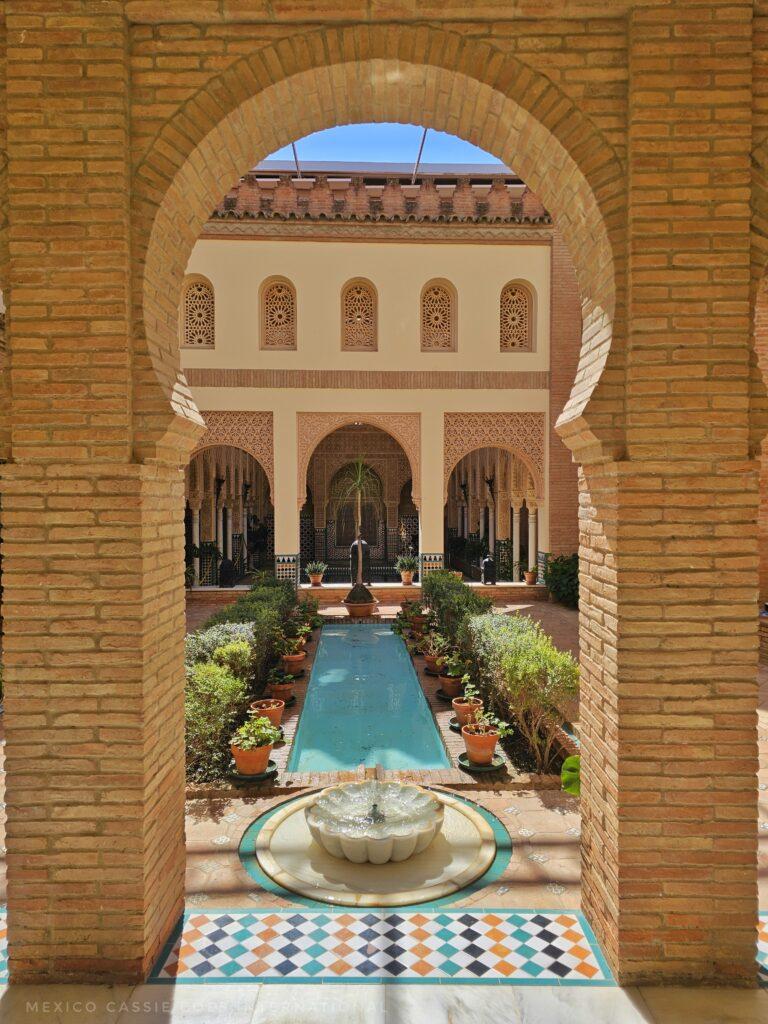
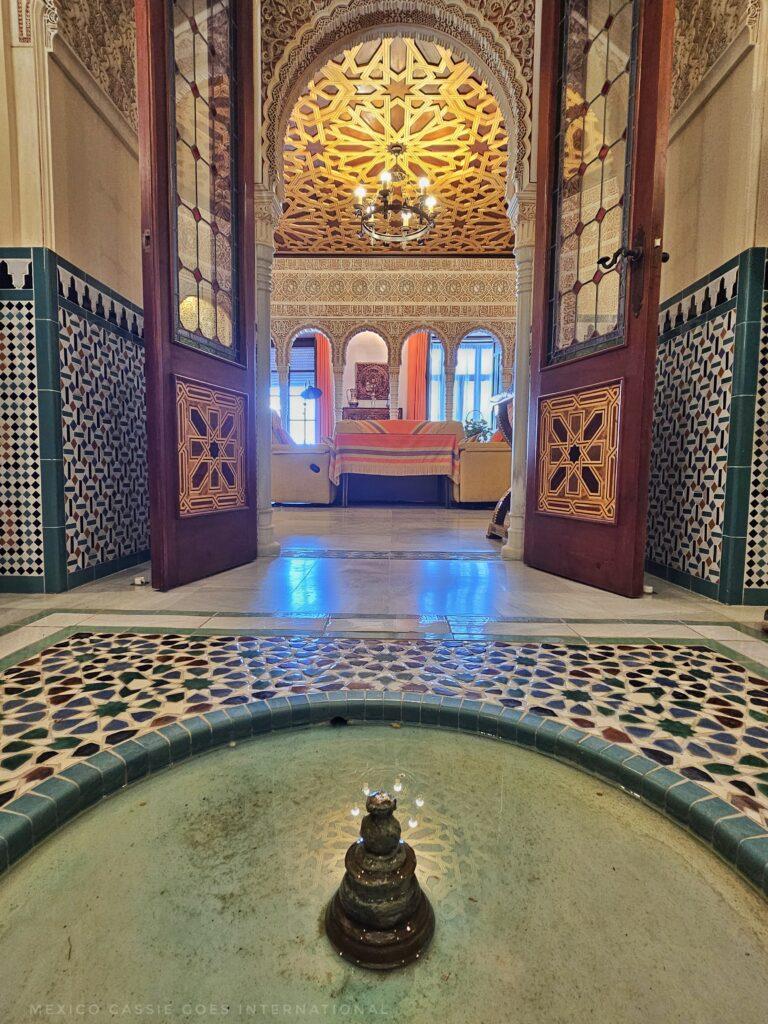
🕣 Saturdays 12 pm
💶 €5 p/p cash
🛜 You have to phone to book your spot on the tour – 954849056 don’t show up without booking
📍Paradas
Why visit Carmen de los Arrayanes?
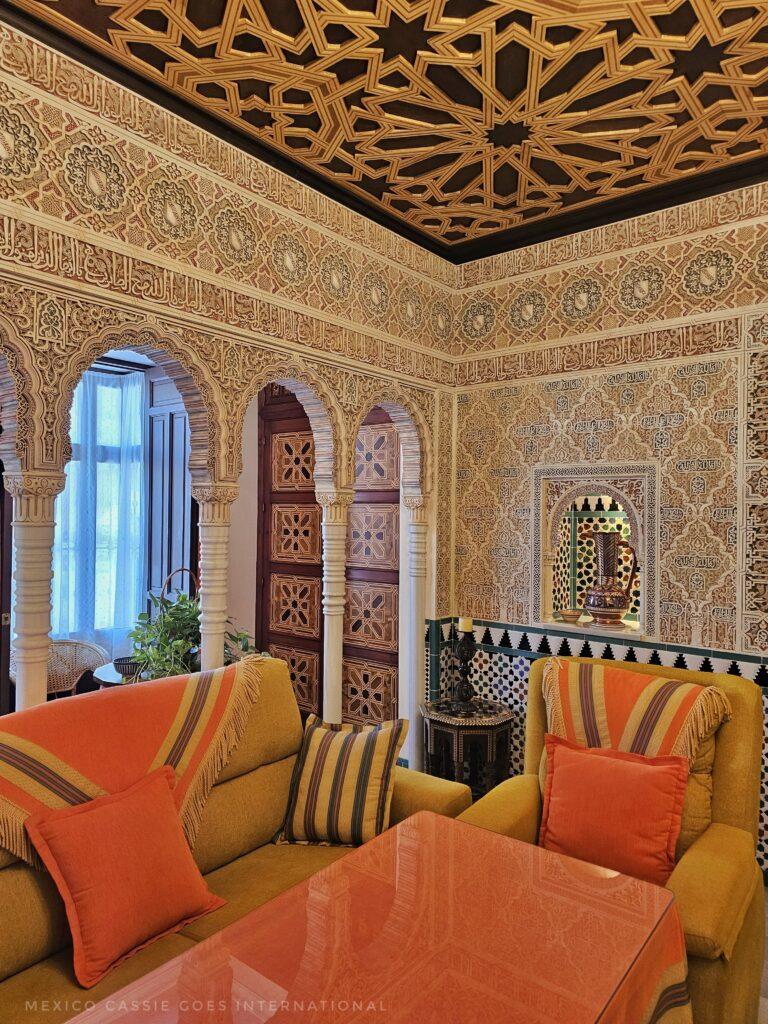
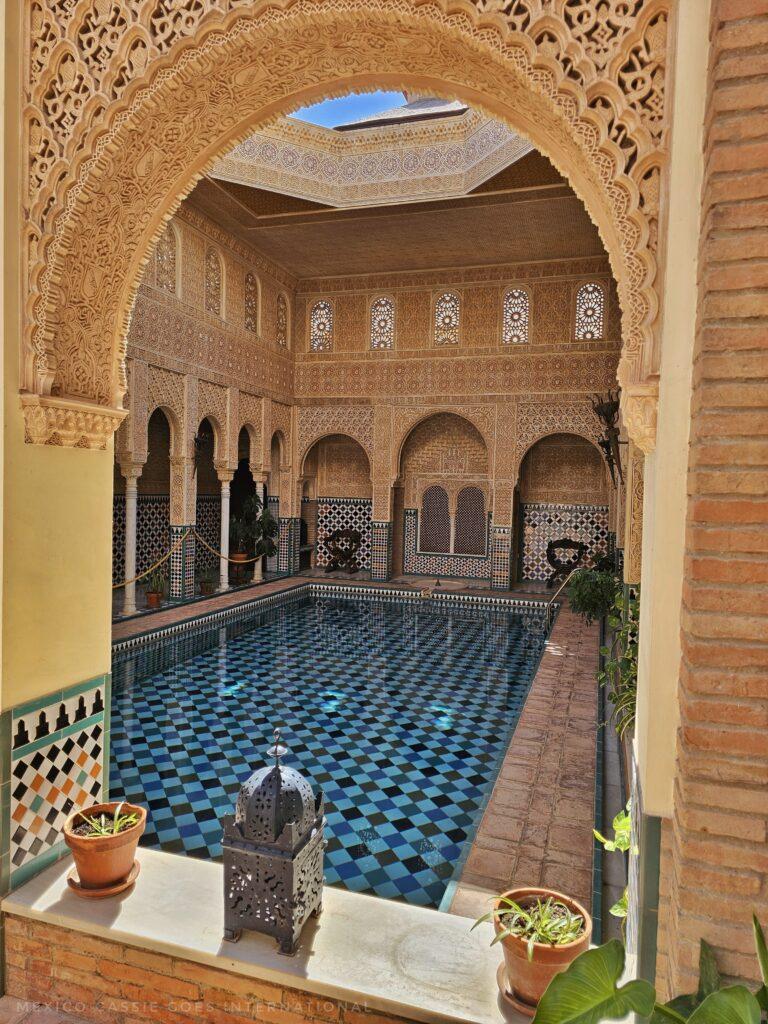
This is the oddest and most quirky of my five suggestions for you. It’s a personal house that offers tours once a week. Basically, the owner of the house decided to decorate his home in the style of Granada’s Alhambra and it kind of got out of control. It’s absolutely fascinating to see what can be done when you feel like doing something different with your home.
The wife still lives there and her son gives tours once a week, in Spanish. I chatted with him and although he wouldn’t do the tour in English, he’s happy to welcome people who don’t speak Spanish.
Have you found anywhere similar to these suggestions in Sevilla? Let me know what you think of them if you visit.
And for all your other Sevilla needs:
MexicoCassie guides to Sevilla
→ Check our curated 1-day, 3-day or 5 day itineraries for Seville
🗓️ How many days should you spend in Sevilla?
🙊 Dig deeper into Sevilla with this article about ‘quirky Sevilla’
🏰 How to visit Sevilla’s Alcázar or check out these amazing 5 alternatives you’ll love
☀️ How to manage Sevilla in the summer
🧒🏻 Find all the Seville kid-friendly options and info here & teen-specific info here
👣 Best family friendly tours of Sevilla
💃🏻 Everything you need to know to enjoy flamenco in Sevilla
✈ Getting to Seville from the airport
🚘 MexicoCassie guide to driving around southern Spain
🏖️ How to get to the beach from Sevilla
⭐️ Everything you need to know about exploring Sevilla Province
🏨 Find your ideal hotel / apartment in Sevilla
(⭐️ or here’s a ready-made list of options with pools and AC)
➡️ Check rental car options & train timetables/ticket options
➡️ Check tour options with Viator, Get Your Guide, Devour Tours or Liv Tours
➡️ Pre-book tickets to the big name attractions
→ MexicoCassie answers, “Is Spain safe for visitors?”