Sevilla Province – more to see and do than you imagine
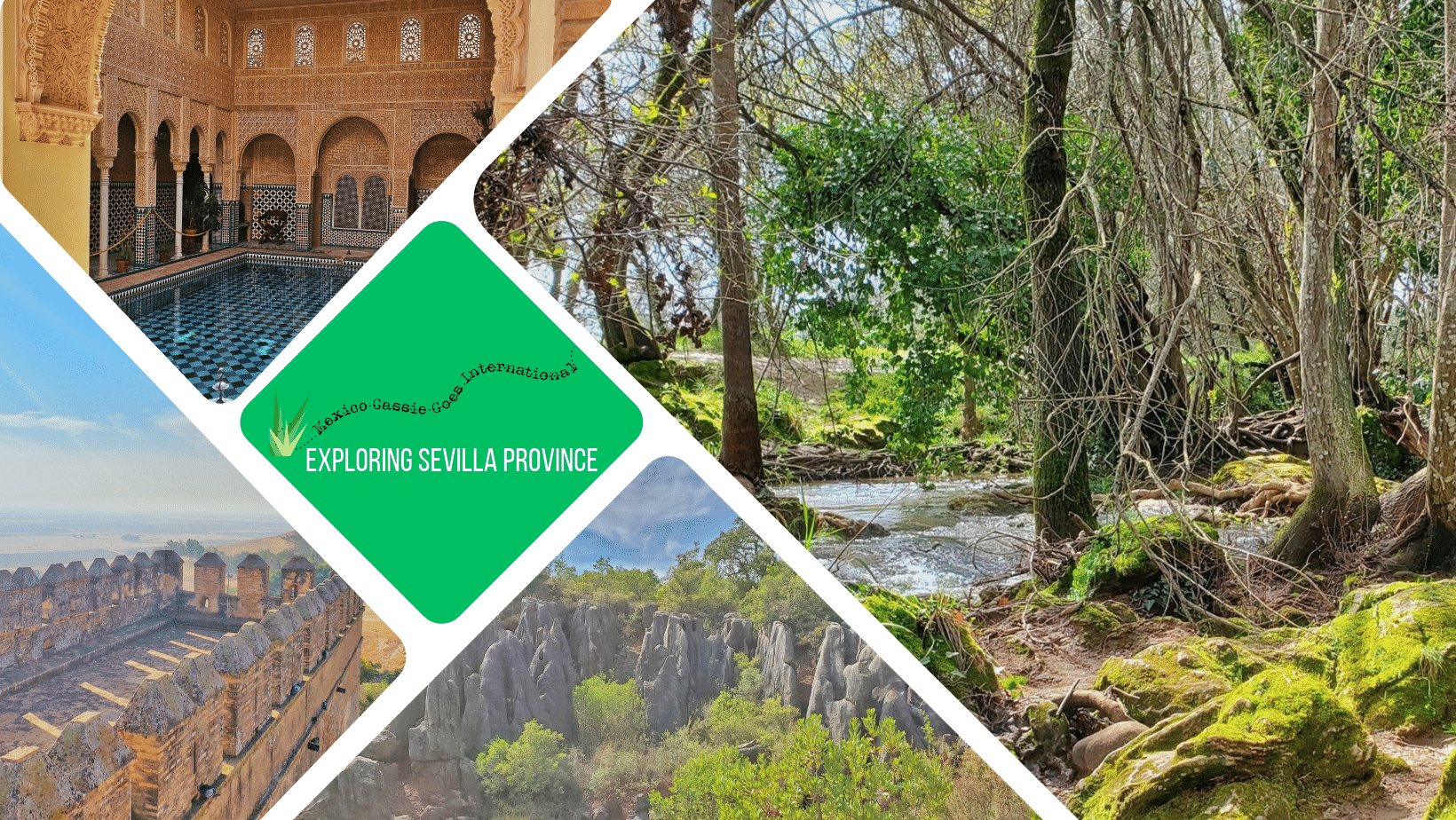
This is not just a typical “day trips from Sevilla” article. I already have one of those and it’s extremely thorough and pretty excellent, even if I do say so myself 😉.
This is a guide to exploring the Province of Sevilla.
I wanted to create this guide because so often I see people come to Sevilla for a few days and then, when it comes to planning their day trips, they leave the province for Málaga, Córdoba and Granada. There are gorgeous, gorgeous places to explore in these three provinces too, of course, I’m definitely not suggesting there aren’t, I just want to show people some of the quite beauty of Sevilla.
For the longest time, I too, kind of felt as if the Province of Sevilla isn’t quite as interesting as some of the other Andaluz provinces; we don’t have any beaches or massive mountains, or even any official pueblos blancos. Once people have explored the city of Sevilla, they tend to leave and explore elsewhere, I want to help change this.
I’ve lived here over four years now and I have really come to love my province.
So this article is for people looking for more than an easy day-trip, this is for anyone wanting to get to know the quiet beauty of Sevilla.
There are affiliate links in this article. If you click and make a purchase I could make a small sum at zero cost to you. Thank you!
Getting around Sevilla Province
The destinations in this guide aren’t top tourist destinations, you’ll likely have most of these places to yourself, you won’t be battling with hoards of other visitors but that does mean that not everywhere is easy to visit with public transport or that there are tours available.
These are day trips for people who are happy to rent a car and go off exploring alone.
→ Read the full MexicoCassie guide to driving in southern Spain
→ Check rental car options and prices now
→ If you do want to check bus options, you can take a look at Omio
→ Tours are pretty much always advertised on GetYourGuide and Viator
🏨 And maybe you’re interested in spending a night or two in the countryside, there are some delightful finca / hotel options offering an entirely different side to Sevilla.
Nearest to Sevilla
Alcalá de Guadaíra
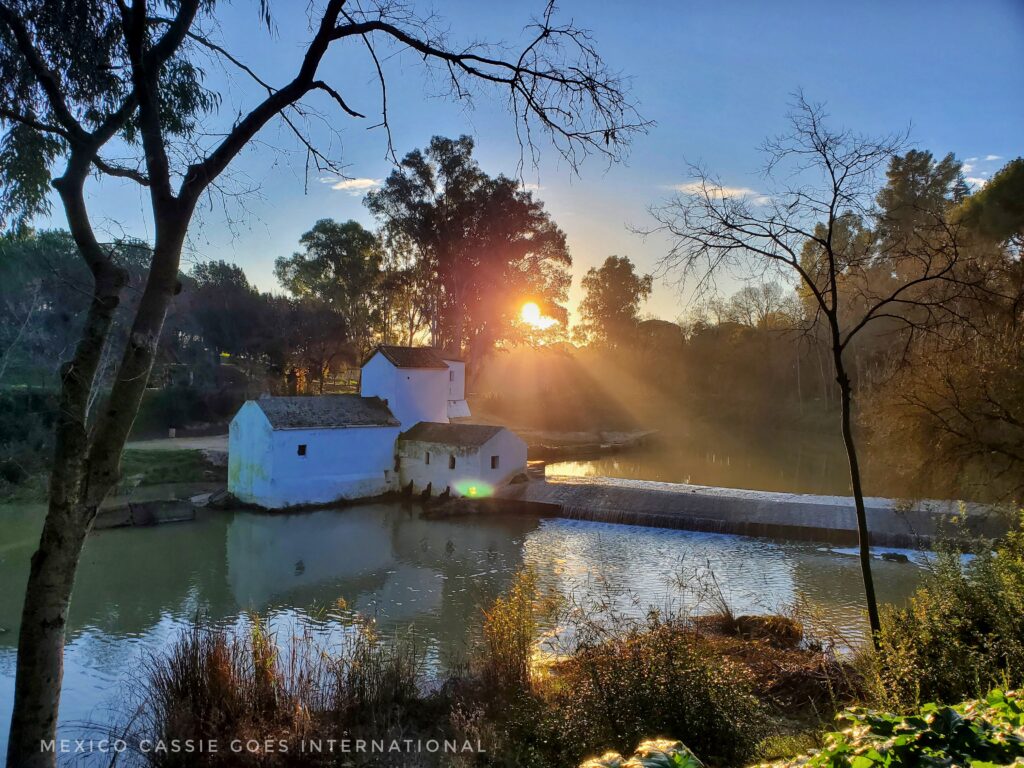
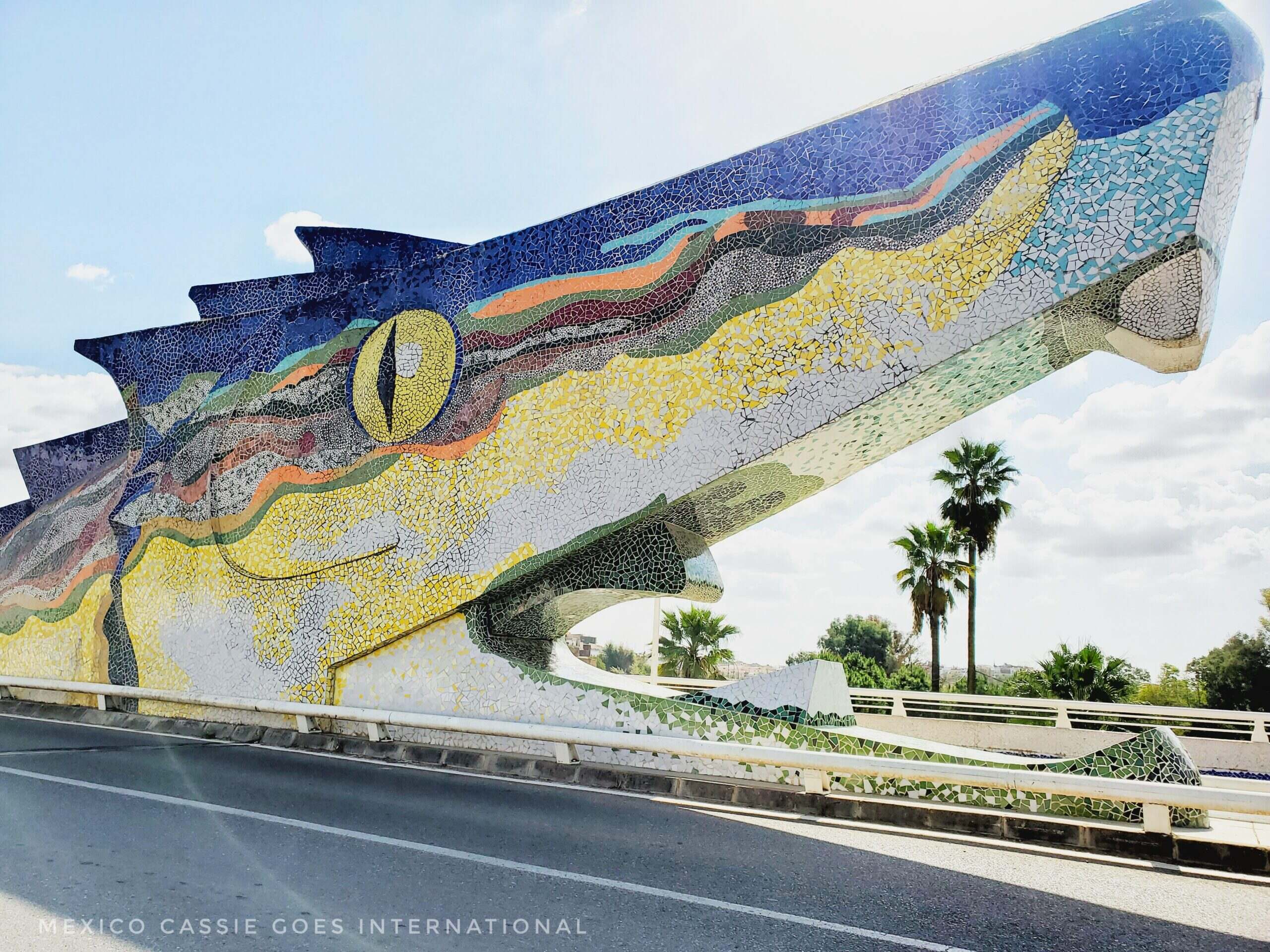
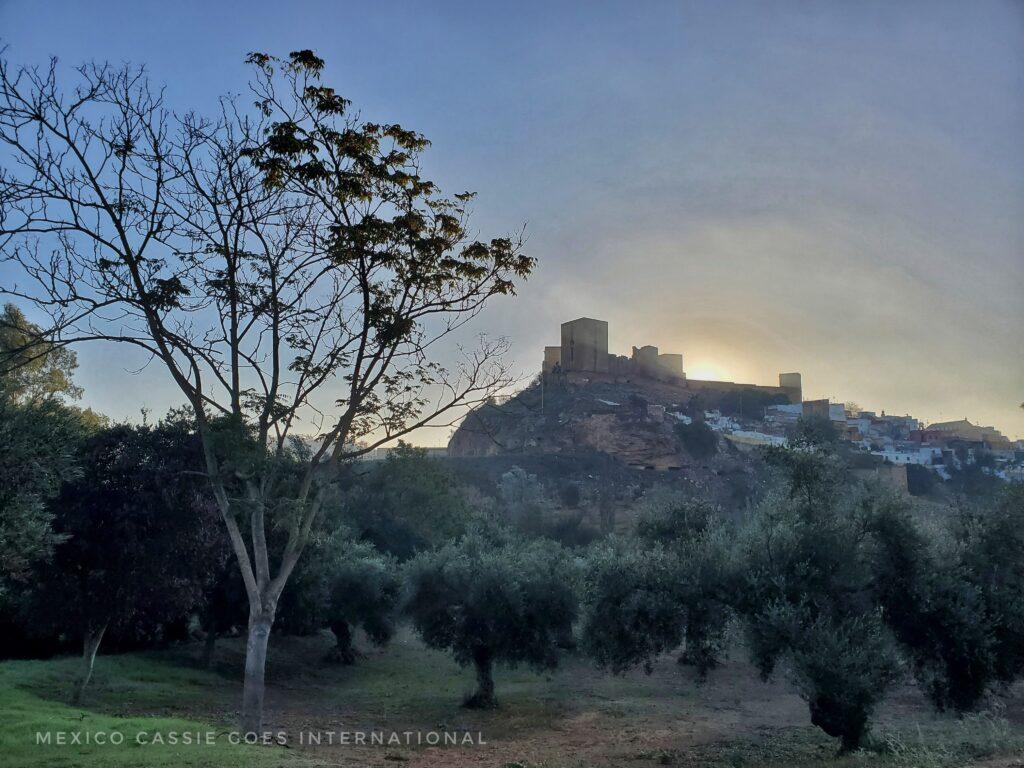
Just half an hour from Sevilla, Alcalá de Guadaíra will really surprise you. You’ll wonder why hardly anyone has ever heard of this ancient city, when it’s so close by.
Well, here’s the tea: locals absolutely know about Alcalá de Guadaíra. Here we (yes we, because this is my city) have the absolutely magnificent Parque Oromana where Sevillanos have been spending their weekends for years. We are very proud of this beautiful space that has a river, numerous medieval mills, a forest, hotel and more.
The Ribera de Guadaíra has been declared a 10km natural monument and exploring this area is a brilliant way to spend a day escaping the city and relaxing.
Alcalá is also home to the only figurative dragon bridge in Europe and a 9th century castle (plus two others) and a very popular cake restaurant in a cave.
→ Read the full MexicoCassie guide to Alcalá de Guadaíra (includes bus from Sevilla options)
→ Book the Amiguíacass service to enjoy a day wandering around Alcalá de Guadaíra with me as your guide
🚘🚌 20 minutes by car from Sevilla or 30 minutes on the ALSA bus from the Sevilla bus station
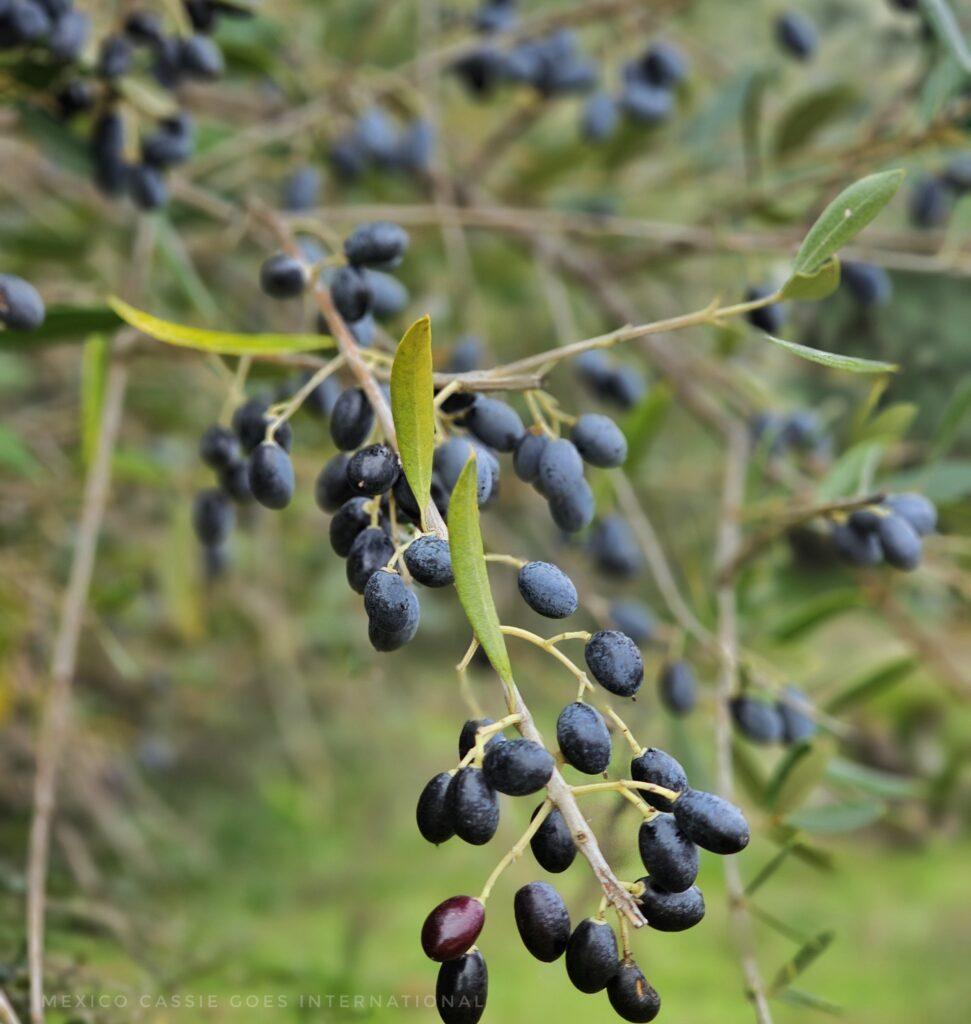
🫒 Olive Oil Tour
Take a 3hr olive oil tour from Sevilla to learn about this region’s long history of olives and olive oil production at a traditional olive farm. You’ll walk through the orchards, try the various flavours and come away with a much deeper understanding of this ancient practice.
Santiponce
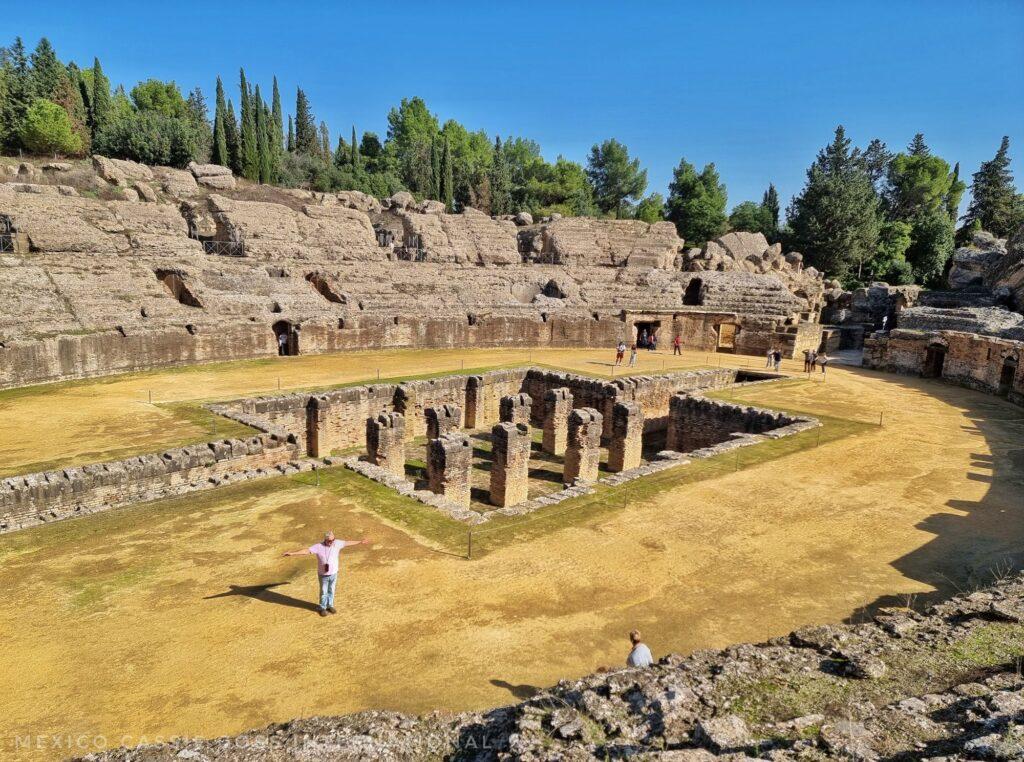
Santiponce, just 7km outside of Sevilla. Here you’ll find Italica, home to the Roman ruins of Itálica. Itálica was founded in 206 BCE by Publius Cornelius Scipio for soldiers returning from the Second Punic Wars. It was the first Roman city to be built in Spain and apparently also the first Roman city outside of Italy. The amphitheatre is one of the largest ever built, with a capacity of 25,000 spectators.
🏛 Itálica. The section that’s open to visitors is Nova Urbs and it’s really very impressive. When you enter the site, the amphiteatre is more or less in front of you and the remains of the town are to your left. Be sure not to miss the Casa del Planetario and the Casa de los Pajaros. Apparently, the amphitheatre appeared in a couple of seasons of Game of Thrones so if you’re a fan, be sure to check it out.
🏛 Roman Theatre. Sadly this site is closed to visitors but you can walk around the outside and get a good idea of its impressive size.
⛪️ Monastery of San Isidoro del Campo – this was declared a national monument in 1872. It comprises two Gothic-style churches and two cloisters built in the Mudejar style.
🚘🚌 15 minutes in car or 20 minutes on the M170 from the bus station in Sevilla
👣 There are numerous tours to Italica leaving from Sevilla
Carmona
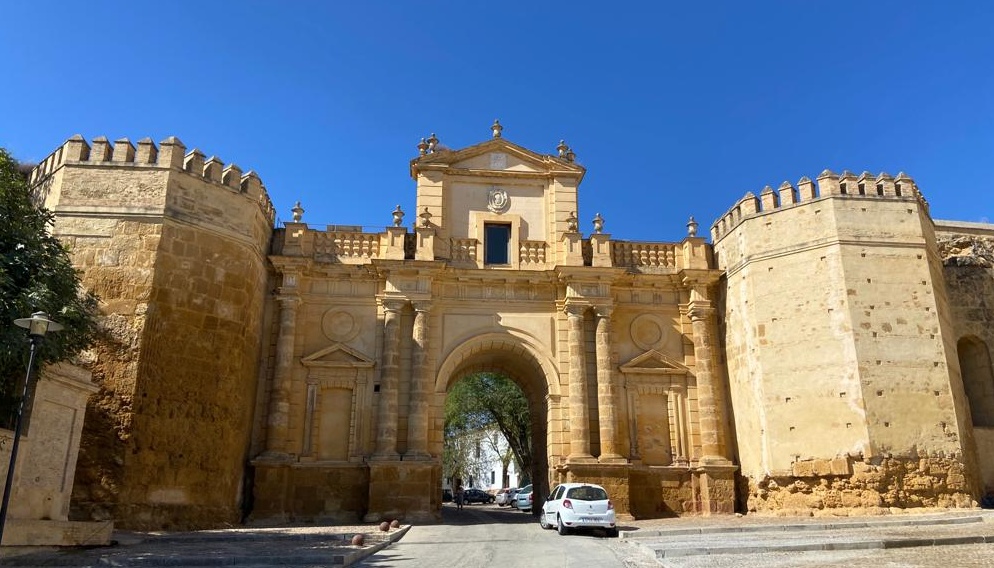
Carmona is a small town with a very long history. The Tartessian and Turdetani peoples settled here, as later did the Phoenicians and the Romans. During Julius Caesar’s reign, the town was known as Carmo. The Moors erected the city walls and various Moorish caliphates held Carmona but in 1247, Fernando III of Castille captured the town, leaving a Christian minority ruling over a Muslim majority.
Enjoy strolling through the narrow streets, gazing at impressive buildings and the fabulous views of the surrounding countryside.
⭐️ Puerta de Sevilla and the Alcazar de la Puerta de Sevilla, Carmona’s most famous site. There has been a fortress at this location since the 14th century BCE and Julius Caesar apparently called Carmona, “the strongest city in Betica”. Today, you can climb the ramparts for fabulous views of the region.
🏰 Alcazar de Rey don Pedro – located next to the gorgeous Parador (hotel) is a large ruined castle/fortress that offers great views over the city.
🪦 Necropolis and Amphitheatre – the Roman cemetery and amphitheatre are located next to each other a short walk from the old town of Carmona.
➕ The Puerta de Cordoba is a second well-preserved Roman city gate. Plaza de Abastos is a delightful square that is a good option for a coffee or cold drink in the shade as you explore Carmona. The Museo de la Ciudad is a small and interesting museum of the town’s history beginning as a Copper-Age settlement and bringing visitors to the modern day. Plaza de San Fernando is a great place to stop for lunch in one of the many excellent restaurants here.
🚘🚌 30 minutes by car or 1 hour on the M124 from outside the train station
👣 There are tours focusing specifically on Carmona and those that link it with Córdoba
Laguna de Fuente del Rey
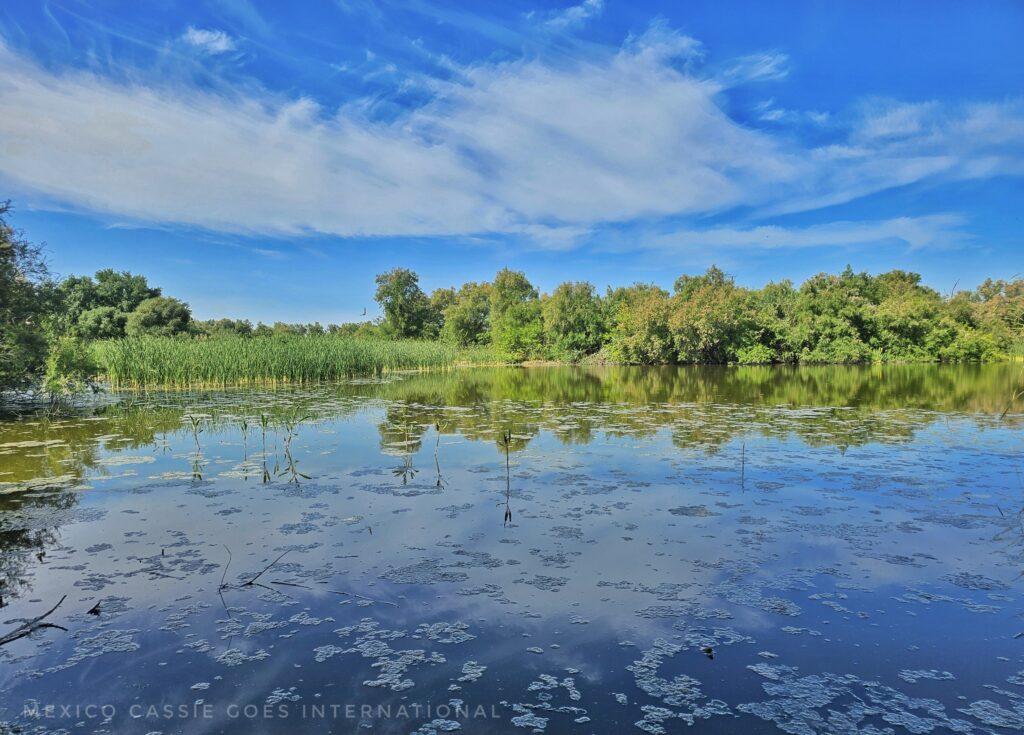
Nearby to the south of Sevilla is a delightful small nature preserve where you’ll find a lake teeming with life. It’s a good place to spend an hour or two in nature close to the city.
🚘🚌 20 minutes by car, no direct bus
Castillo de les Aguzaderas
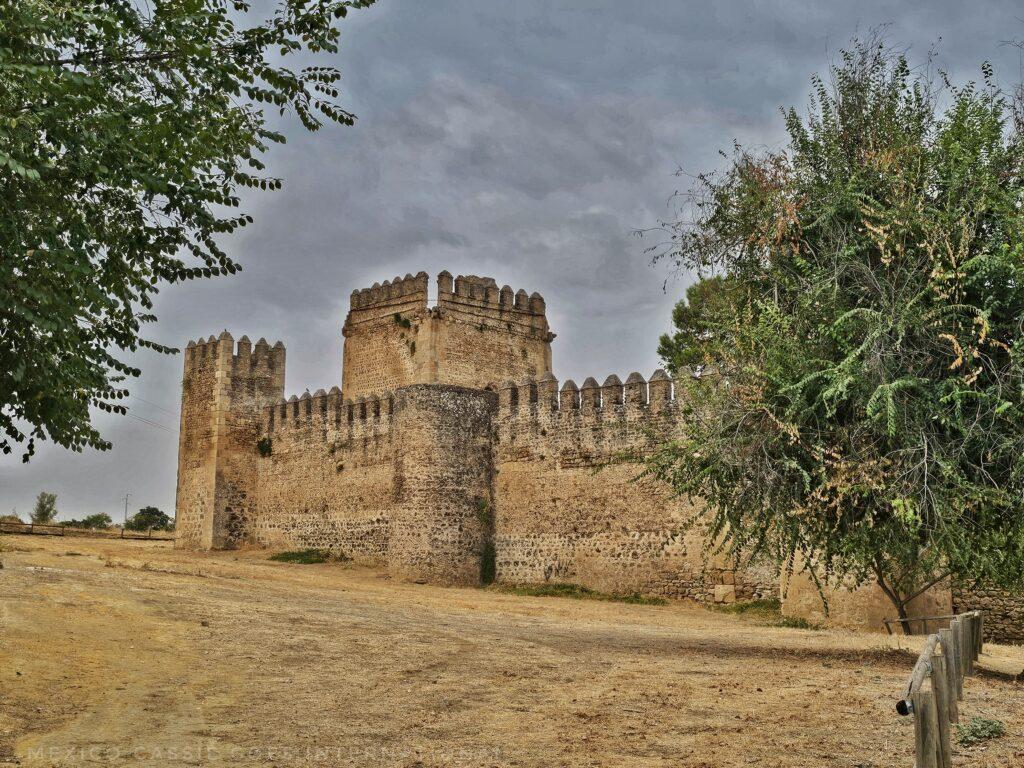
Just outside of El Coronil, some 45 minutes from Sevilla, is this gorgeous example of a castle. It’s free to visit and if you’re lucky, the very enthusiastic caretaker will come out and tell you about the history of the place. He does this, though, in rapid and joyful Andaluz Spanish so I recommend reading up about first if you’re not a confident Spanish speaker (or even if you are but you haven’t spent much time down here).
The castle was built by the Muslims in the 13th century and then rebuilt by the invading Catholic forces when they got this far south and faced off against the the Emirate of Granada, the last independent Muslim state in Al-Andalus in the 14th century.
🚘🚌 50 minutes by car.
North of Sevilla Province
The north of Sevilla province is probably absolutely nothing like you might expect. Here we have rivers to splash in, lush fields, gorgeous hiking paths and even small mountains.
Sevilla’s Sierra Norte Natural Park is located within the large Sierra Morena. The Sierra Morena is a 400km long mountain range that stretches from Huelva, through Sevilla and Córdoba into Jaén.
The Sierra Norte, recently renamed as Parque Natural Sierra Morena de Sevilla, covers only Sevilla Province.
Head north if you’re looking for small towns, and great hiking / strolling spots and lovely picnic locations. This region is also particularly well known for its star gazing qualities and clear skies.
🏨 If you’re looking to get away for a few nights, I can’t recommend this region highly enough. I absolutely love staying up here, even in winter when the mornings are fresh, the mist hangs in the air over the fields and nature is at its absolute finest.
→ Check hotel / finca options now or trust MexicoCassie and stay here!
Cerro del Hierro
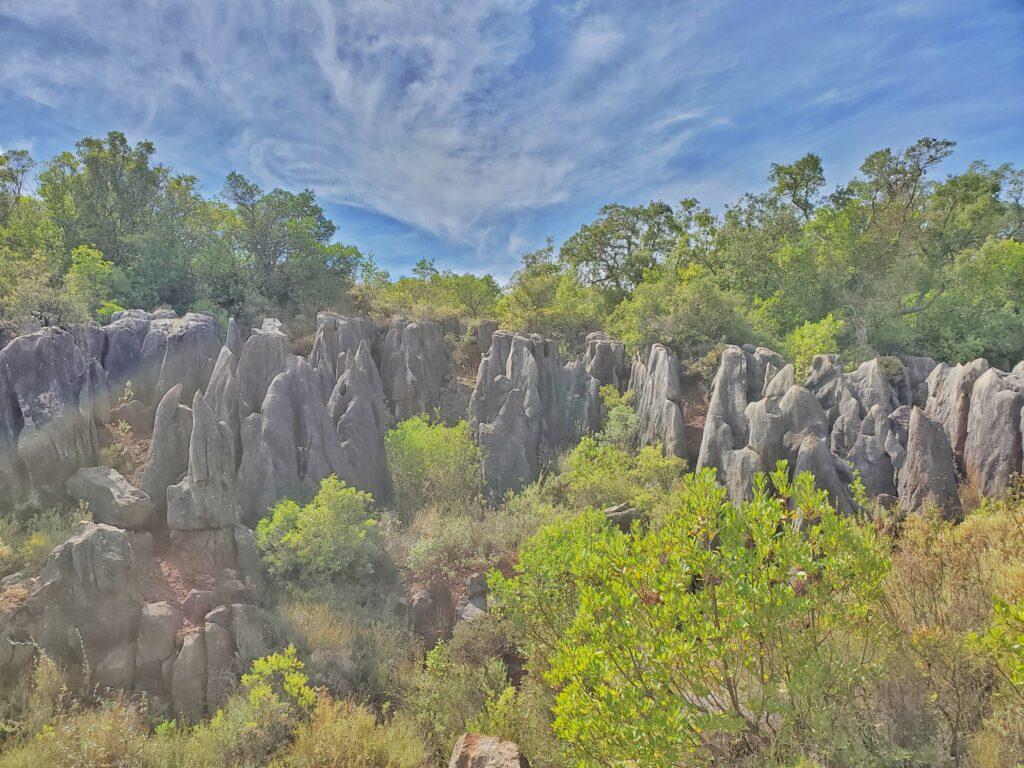
This was one of my very first adventures when we moved to Spain and I’ve joyfully returned during every season. Located in the Sierra Morena Natural Park, this is an old Roman mining site that was in use until 1985. As the name might suggest, it was an iron mine – here the iron ore was extracted from between the crests of karst, which has left an incredible site of limestone shapes that you fascinate you.
In the winter months this is also a great place to go mushrooming IF you know what you’re doing. I picked mushrooms here with an expert. Because I’m smart, I would absolutely never do it alone.
You could spend all day here with a picnic if you’re particularly curious, or come for an hour’s walk if you just like exploring new spaces. Another good option is to head into nearby San Nicolás del Puerto for lunch.
🚘🚌 1hr40 by car, bus C3 goes to nearby town of Constantina
🅿️ I park here
🚆 Cazalla-Constantina train station and is served by Renfe media distancia trains. To use it you’d have to know how you were getting from there to your destination though.
Cascadas de Hueznár
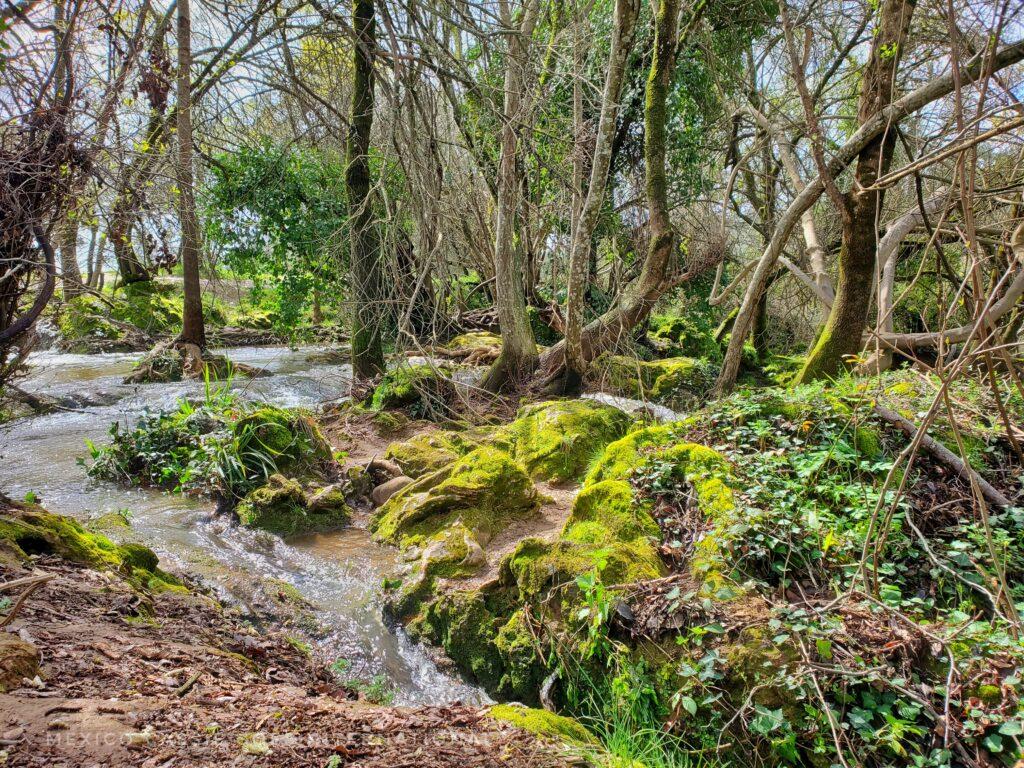
This is a delightful place to explore if you’re looking for some nature – we first visited here for a birthday treat with a picnic, lots of fun playing in fields and by the river/small waterfalls.
🚘🚌 1hr45 by car
🅿️ I park here
🚆 Cazalla-Constantina train station and is served by Renfe media distancia trains. To use it you’d have to know how you were getting from there to your destination though.
Want MexicoCassie to take a look at your travel plans?
Of course you can plan your own trip, that’s why you’re here using my guides! But an expert pair of eyes can be extremely useful when you’re feeling overwhelmed, simply have too many ideas, or you’re not quite sure where to begin.
I offer informal travel chats, bespoke itinerary planning and AI itinerary checking, all based on my many years of travelling and adventuring.
Ruta Molino del Corcho
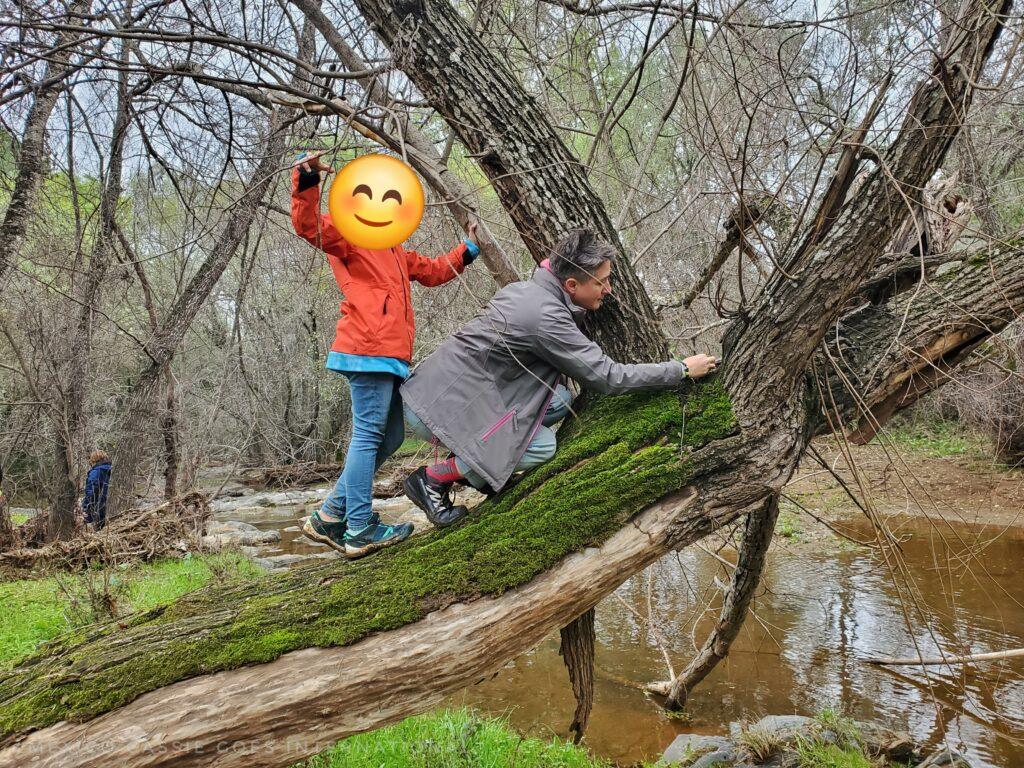
Another fabulous spot for a day’s stomping through the forest and picking mushrooms if you know what you’re doing. Whether you’re with kids or not, this is a great place to come for a gentle forest stroll.
🚘🚌 1h45 by car
🅿️ Park at the Isla Margarita Recreational Area
🚆 Cazalla-Constantina train station and is served by Renfe media distancia trains. It’s a 20 minute walk from the station to the river.
Vía Verde del Ronquillo
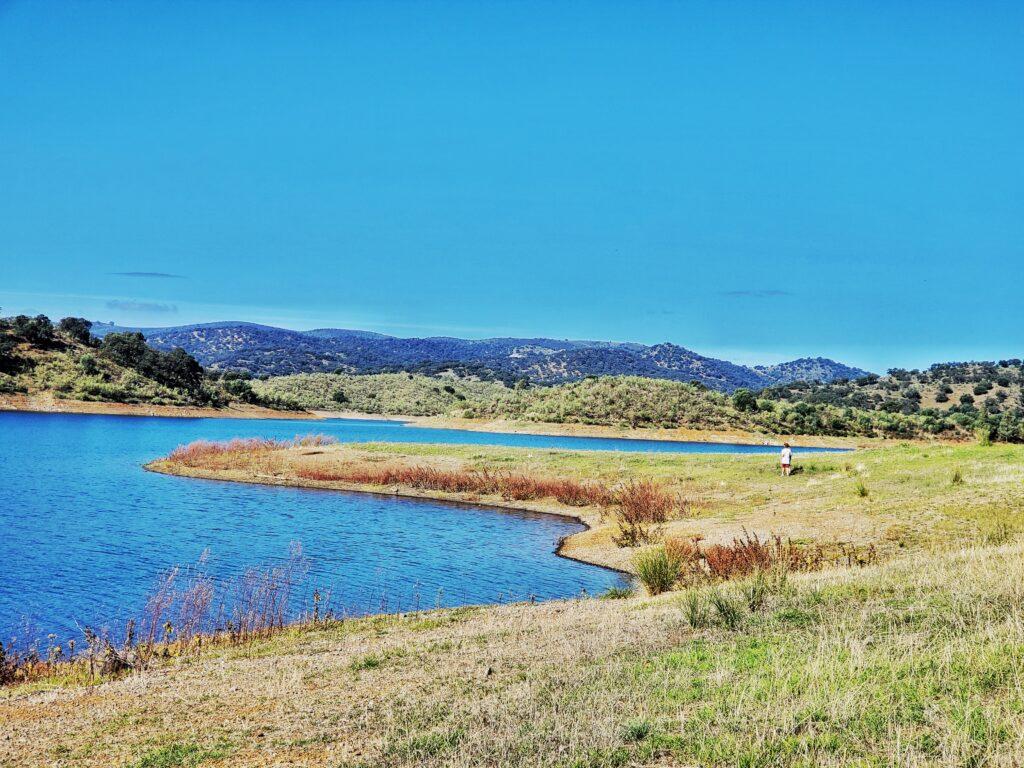
This is a perfect spot to spend a day. There are paths for those who enjoy a nice stroll, and of course, it’s also possible to play, MexicoCassie style, and go off piste. And it’s a great place to take kids.
Just over 9km end to end (not a circular walk), along the Río Rivera de Huelva and the Embalse de la Minilla.
According to the map, the restaurant at the start is temporarily closed so take a picnic or plan to eat in a nearby village.
And note there are animals here. We saw a LARGE wild boar swim across the reservoir, climb out and disappear into the trees. Spectacular, but scary. You might also see cows, horses and sheep.
🚘🚌 30 minutes by car
East of Sevilla Province
Osuna
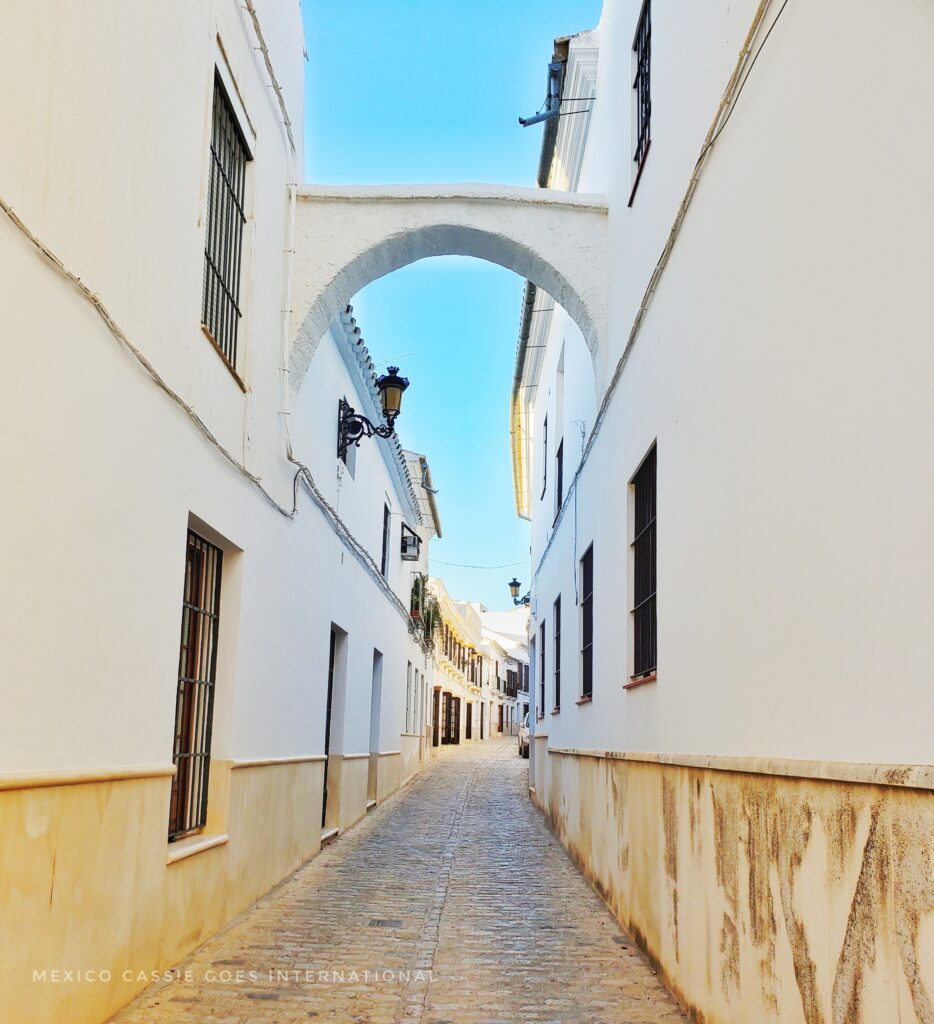
This rural town rarely sees large numbers of visitors but is absolutely worth a day of your time. If you’re a Game of Thrones fan you’ll be excited to know that some scenes were filmed here.
Osuna is not quite as old as some other towns in Andalucia, clocking in at around a mere 3,000 years old. The earliest inhabitants were the Turdetani and when the Romans made it their own it was called Urso. Of course, like everywhere else in southern Spain, Osuna has a long Moorish history too. The Moors called the city Oxuna. Fernando III of Castile and his army captured Osuna in 1239 and in 1264 the town was handed to the Order of Calatrava. The town’s strategic location meant it became a crucial point for the defence of Castile against Granada’s Nasrid Kingdom.
Highlights of Osuna
🧭 Calle de San Pedro was declared one of the most beautiful streets in the whole of Europe by UNESCO. Knowing this, you just have to visit to see for yourself, right?
🔎 Museo de Osuna – including two rooms dedicated to the Game of Thrones filming.
👀 Don’t miss the Palacio de Govantes y Herdara as you wander around. It is one of, in my opinion, the most amazing buildings in Osuna. I was mesmerised by the wonderful spiral columns.
🚘🚌 1hr10 by car, 1hr20 by bus (Sevilla-Granada bus) from the Plaza de Armas bus station
🚆 Or 1hr20 by train (direction Málaga)
South of Sevilla
Marchena & Paradas
I include these two together because while both are delightful, both are small and neither would necessarily hold your attention all day.
Marchena
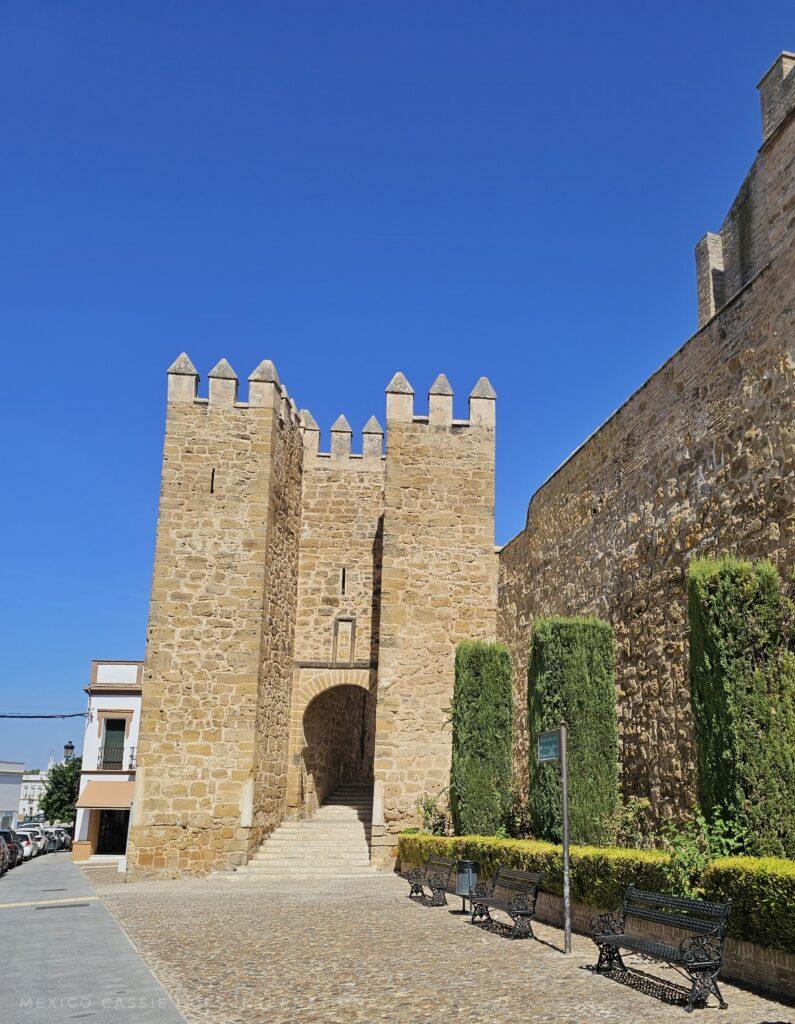
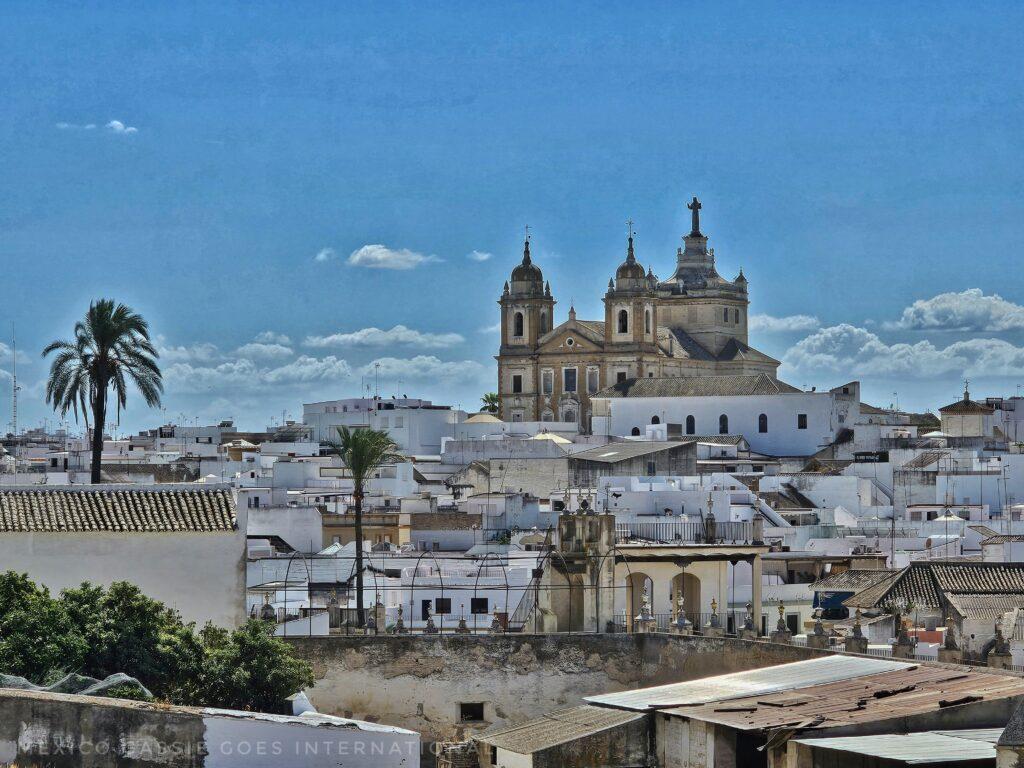
You’ll find Pepe Marchena Park, a beautiful small park here, a few small museums, and the Arco de la Rosa – a Mozarabic city gate (photo above) that is still extremely impressive. What we see today is a reconstructed wall from 1430. The original was built in the 13th century. This gate/wall is also known as the Puerta de Sevilla.
Puerta del Tiro de Santa María – this is a less impressive gate into the city but, I enjoyed the stroll through town to find it.
Puerta Carmona – impressive and there’s a good mirador from where you can see over the town (photo above right)
Museo Lorenzo Coullaut Valera – this isn’t really a museum, more a small gallery with some sculptures but I did very much like the plaza behind it (Plaza de los Melchores)
🍽️ Restaurante La Alcazaba – this is a great option for a delicious meal
🚘🚌 1 hr by car
Enjoying my travel guides?
Every donation helps!
Paradas
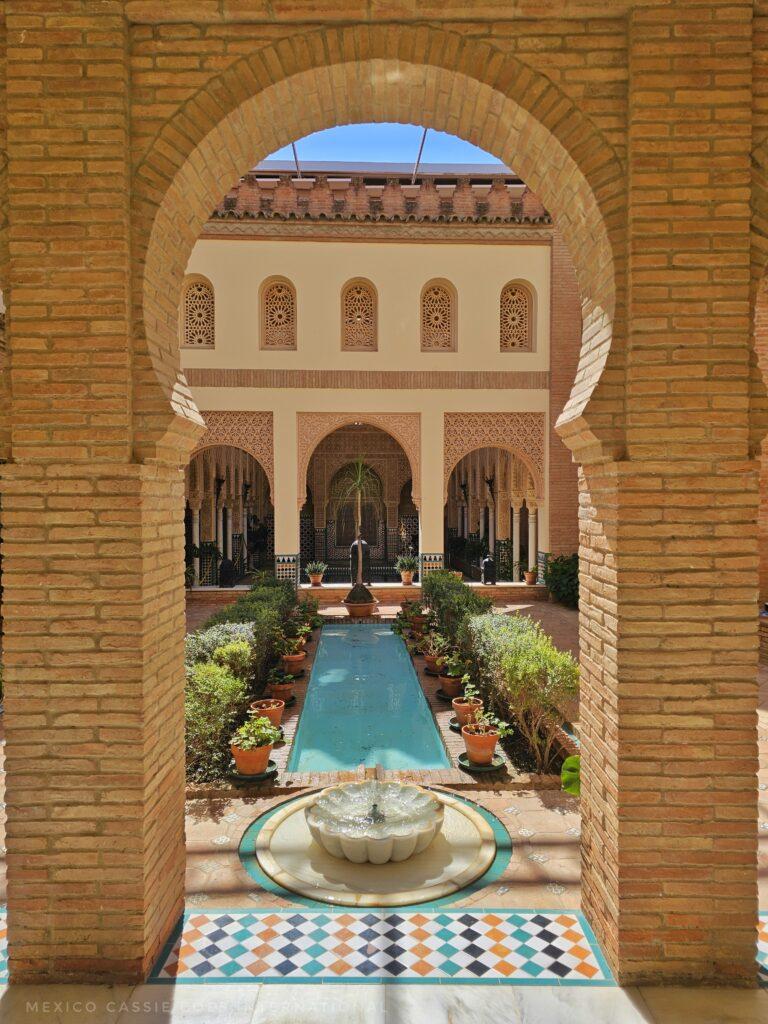
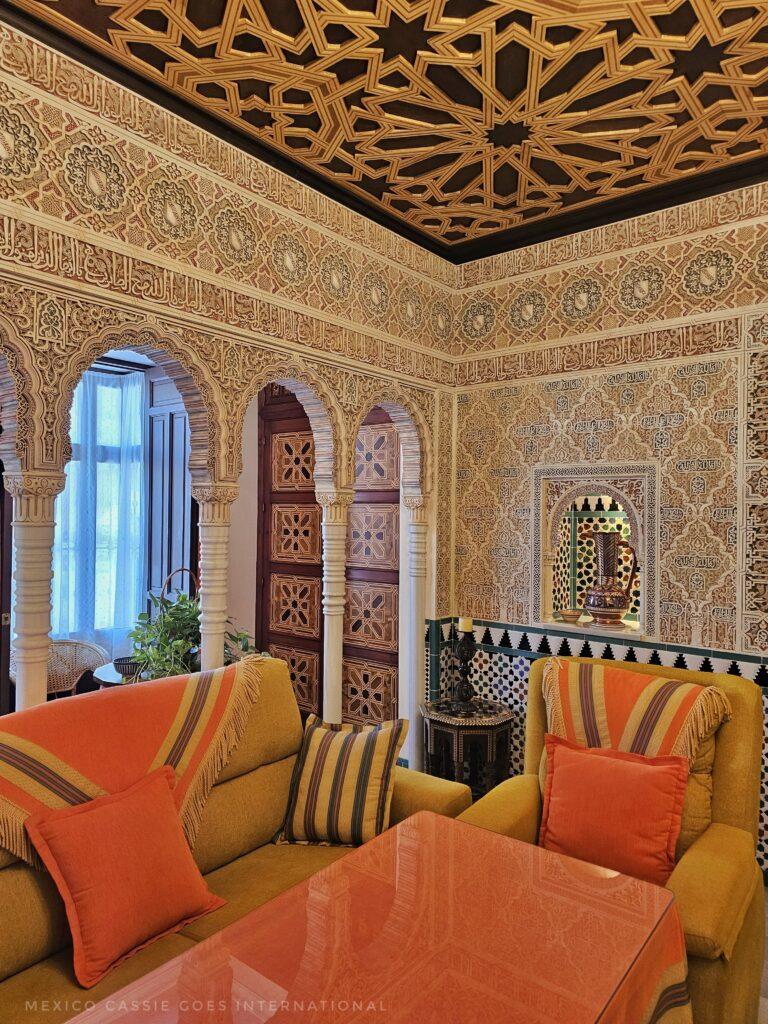
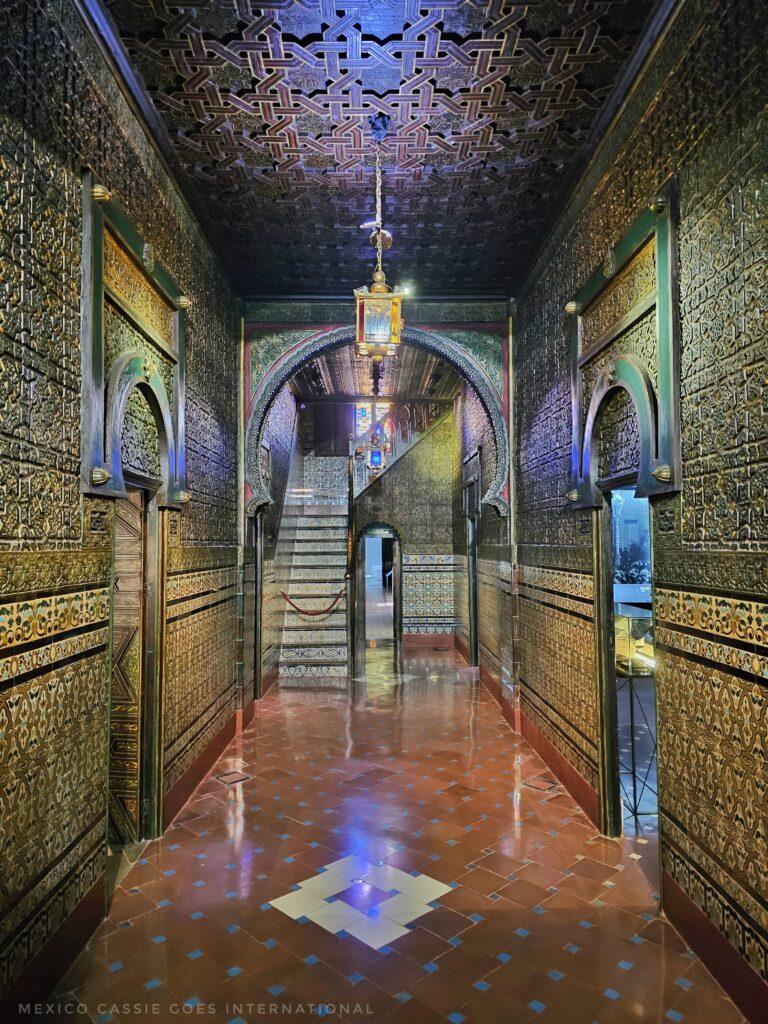
Paradas is a lovely small town on any day of the week but I highly recommend stopping by on a Saturday morning so you can visit Casa de Carmen de los Arrayanes for one of the weirdest experiences in Sevilla – this family house is built in the style of Granada’s Alhambra and it’s an absolutely fascinating place to look around.
Tours are only at 12pm on Saturdays with a reservation (📲 954849056). It costs €5 p/p and tours are currently only in Spanish although quite honestly it’s worth it even if you don’t speak Spanish as it’s mostly about the experience.
🚘🚌 50 minutes by car
Coria del Río & Puebla del Río
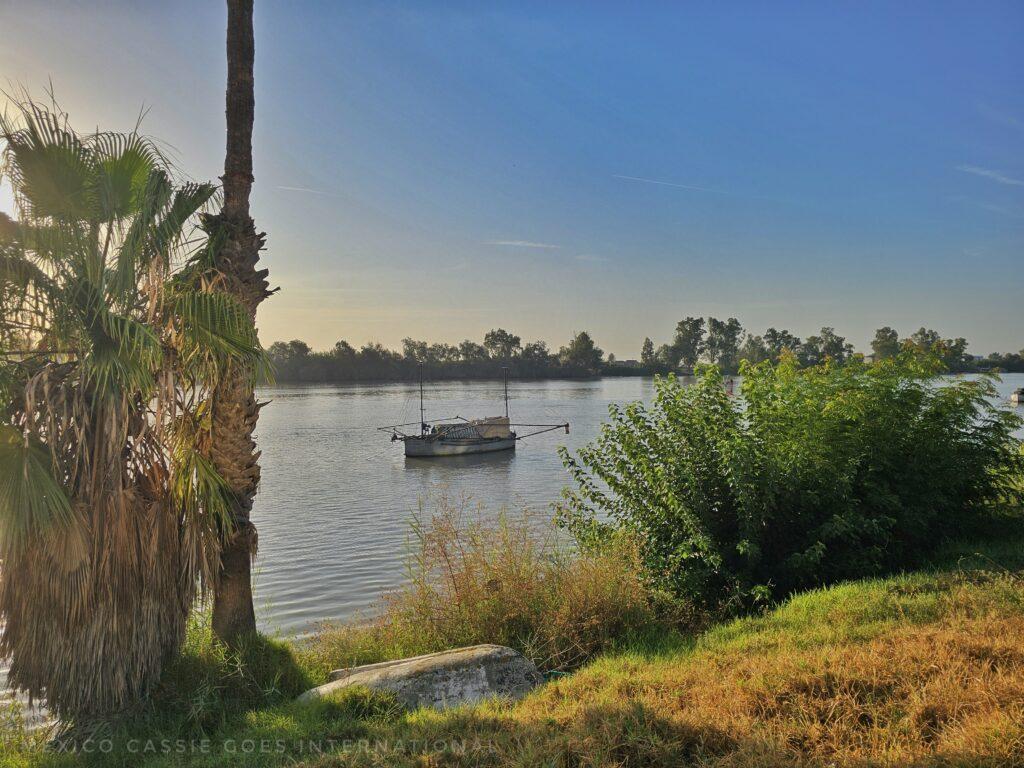
These two small towns just 25 minutes from Sevilla have essentially grown in to one town along the banks of the Guadalquivir River (the Río in their names).
This is a delightful place to while away a few hours walking along the river. You can start in Coria del Río and walk along the river to Puebla del Río, or simply keep going.
And if you’re interested in Andaluz history, the Museo de la Autonomía de Andalucía is a fascinating place to spend an hour or two. You will learn about the struggle for Andaluz autonomy and then visit the incredibly beautiful house of Blas Infante (this section is with a guide, available in English and Spanish according the guide I asked – he happily showed me that he could speak English!), the so called ‘father of Andaluz autonomy’.
As a feminist and wanna-be-Andaluz, I naturally have questions about the women involved in the struggle but they aren’t for here.
→ It’s free to visit but you do need to have reserved online. The booking system is unnecessary and if you don’t notice both “accept” buttons, your reservation won’t go through but it’ll probably be ok as almost no one even knows this museum exists and the staff are extremely friendly.
When I first moved to Sevilla, I stupidly thought Coria was Spanish for Korea. It’s not. Historians think the name probably has Tartessian (Bronze Age) roots. Oddly though, the town does have links to Asia, but to Japan, not to South Korea. In the early 17th century, a delegation from Japan visited the Spanish King Phillip III, and established an embassy here in Spain. Six samurai stayed and today, if you meet a Spaniard with the surname Japón, they are most likely descended from these samurai.
As you walk along the river you may notice a statue of Hasekura Tsunenaga (the Japanese ruler who sent the samurai) that was given to Coria del Río in 1992. And every summer, on the 15th August, Coria del Río is the only city in all of Spain to celebrate the Japanese lantern festival of Toro Nagashi if you happen to be in town then – in fact, I’ve been told it’s the only place in the world outside of Japan to celebrate but I don’t know if this is totally accurate.
🚘🚌 25 mins by car, bus M140,141,142 from Plaza de Armas, approximately 1 hr
West of Sevilla Province
Corredor Verde de Sanlucar
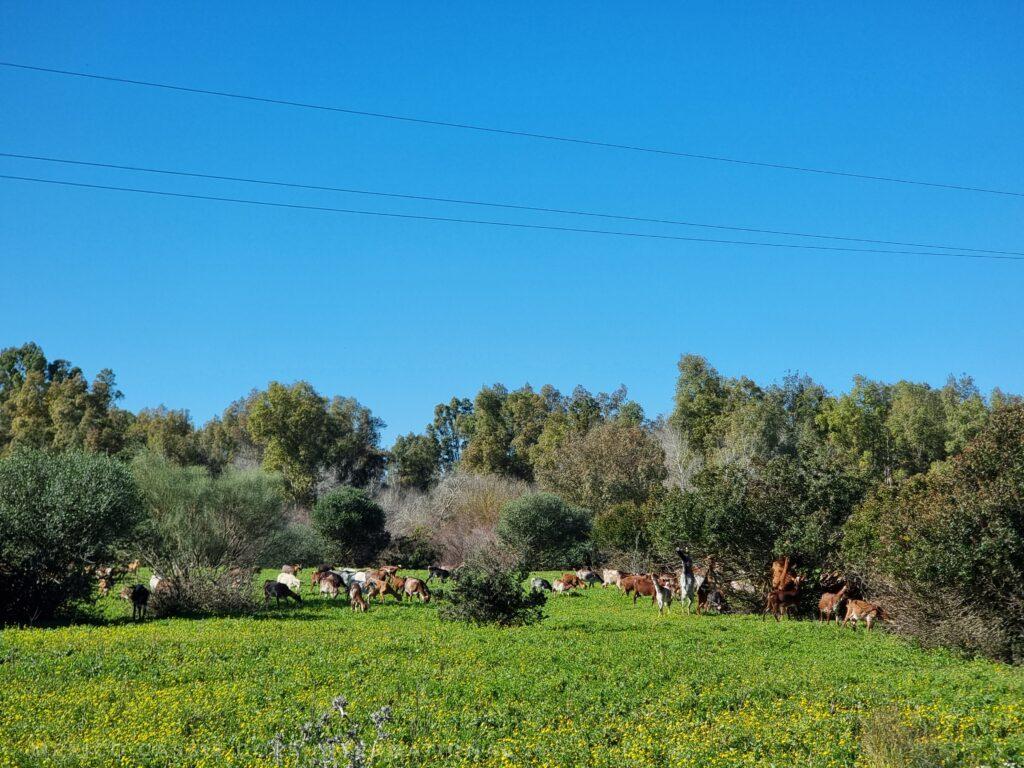
This is another easy place to walk by water. There’s a decent sized carpark and the trails are good. Lots of trees and good paths.
Aljarafe Region
This whole region of Sevilla is famous for white wines and olive oils.
If you’re interested in trying local wines, check out Bodegas Loreto, Bodegas Patacabra, Bodegas Góngora, Bodegas Francisco Salado.
In the small town of Umbrete, they hold a Grape Juice and Fine Olive Fair in Feb/March every year and here you’ll find the Centro de Interpretación del Mosto de Umbrete.
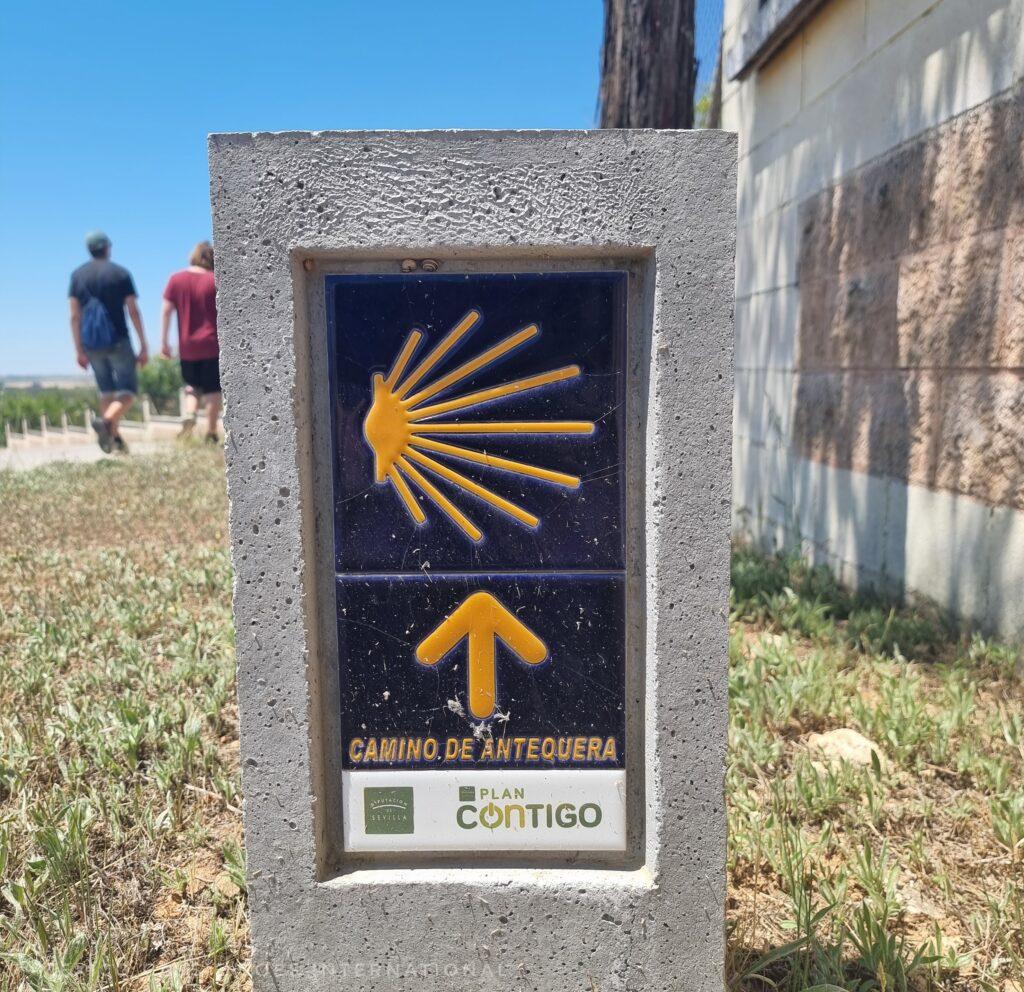
Camino de Santiago routes in Sevilla Province
Vía de la Plata begins Sevilla and stretches 800km to the Gijón, Asturias, on the north coast of Spain.
Vía Serrana begins in La Linea in Cádiz Province and stretches through Sevilla Province through the small towns of Coripe, Montellano, El Coronil, Los Molares, Utrera, Dos Hermanas and Sevilla.
Vía Augusta, this also begins in Cádiz and runs to Sevilla where it links up with the Vía de la Plata. It touches on the small towns of El Cuervo de Sevilla, Lebrija, Las Cabezas de San Juan, Utrera, Alcalá de Gudaíra and Sevilla.
Camino de Antequera, this section of the camino is a purely Sevillano section, as it begins and ends in the province, running through various locations before linking up with the Vía de la Plata in Sevilla. It visits Casariche, La Roda de Andalucía, Estepa, Aguadulce, Osuna, Marchena, El Viso del Alcor, Alcalá de Gauidaíra, Mairena del Alcor, and Sevilla.
MexicoCassie guides to Sevilla
→ Check our curated 1-day, 3-day or 5 day itineraries for Seville
🗓️ How many days should you spend in Sevilla?
🙊 Dig deeper into Sevilla with this article about ‘quirky Sevilla’
🏰 How to visit Sevilla’s Alcázar or check out these amazing 5 alternatives you’ll love
☀️ How to manage Sevilla in the summer
🧒🏻 Find all the Seville kid-friendly options and info here & teen-specific info here
👣 Best family friendly tours of Sevilla
💃🏻 Everything you need to know to enjoy flamenco in Sevilla
✈ Getting to Seville from the airport
🚘 MexicoCassie guide to driving around southern Spain
🏖️ How to get to the beach from Sevilla
⭐️ Everything you need to know about exploring Sevilla Province
🏨 Find your ideal hotel / apartment in Sevilla
(⭐️ or here’s a ready-made list of options with pools and AC)
➡️ Check rental car options & train timetables/ticket options
➡️ Check tour options with Viator, Get Your Guide, Devour Tours or Liv Tours
➡️ Pre-book tickets to the big name attractions
→ MexicoCassie answers, “Is Spain safe for visitors?”