Everything you need to know to be comfortable driving in Spain
For me, driving in Spain is an absolute joy. I live in Andalucía and drive extensively around not only my own Autonomous Community but around the rest of the country, too as I explore and learn. Overwhelmingly I find the roads to be extremely well-maintained and very often pretty empty too. I hope that by the time you’ve read this article you’ll be convinced that you, too, can drive in Spain.
We’re going to take a look at the benefits of driving over public transport when you visit Spain, the most important things to know about driving and about renting a car. And because, of course, Spanish drivers have their own quirks and eccentricities just like every other country, we’ll also take a moment to share what you need to look out for here 😉
There are affiliate links in this article. If you click and make a purchase I could make a small sum at zero cost to you. Thank you!
Highlights of driving in Spain
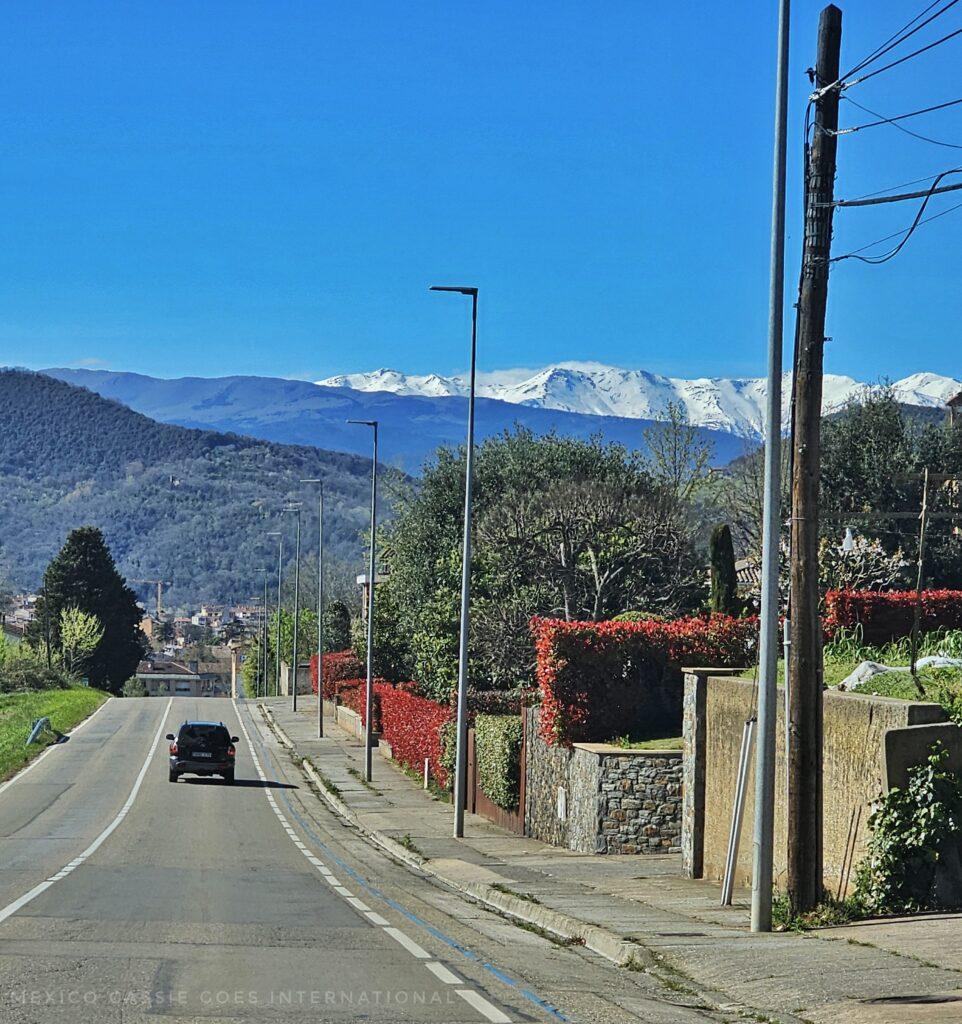
For me, having access to a car in this beautiful country is an absolute necessity. I’m utterly obsessed with the scenery and how varied it can be as you drive from province to province (Spain is comprised of 17 autonomous communities, which in turn are broken down into provinces – Sevilla, for example, is a city within the province of Sevilla, within the community of Andalucía).
⭐️ A car gives you freedom to explore according to your whims
⭐️ Once you have the car booked, you’re set. Less advance planning is required than exploring with public transport
⭐️ And once again, the astounding views everywhere you look as you drive around Spain, will blow your mind – and they’re so changeable, every season brings something new
⭐️ MexicoCassie recommended rental car broker – Discover Cars
Why?
✅ There aren’t hidden costs with them or surprises when you rent via Discover Cars
✅ Prices are either exactly the same or lower than booking direct and by using a broker you can compare all the options before making a decision
✅ They typically include local rental companies as well as the larger, international options, which I really like
✅ Because they’re friendly and helpful
Should you rent a car or use public transport when you visit Spain?
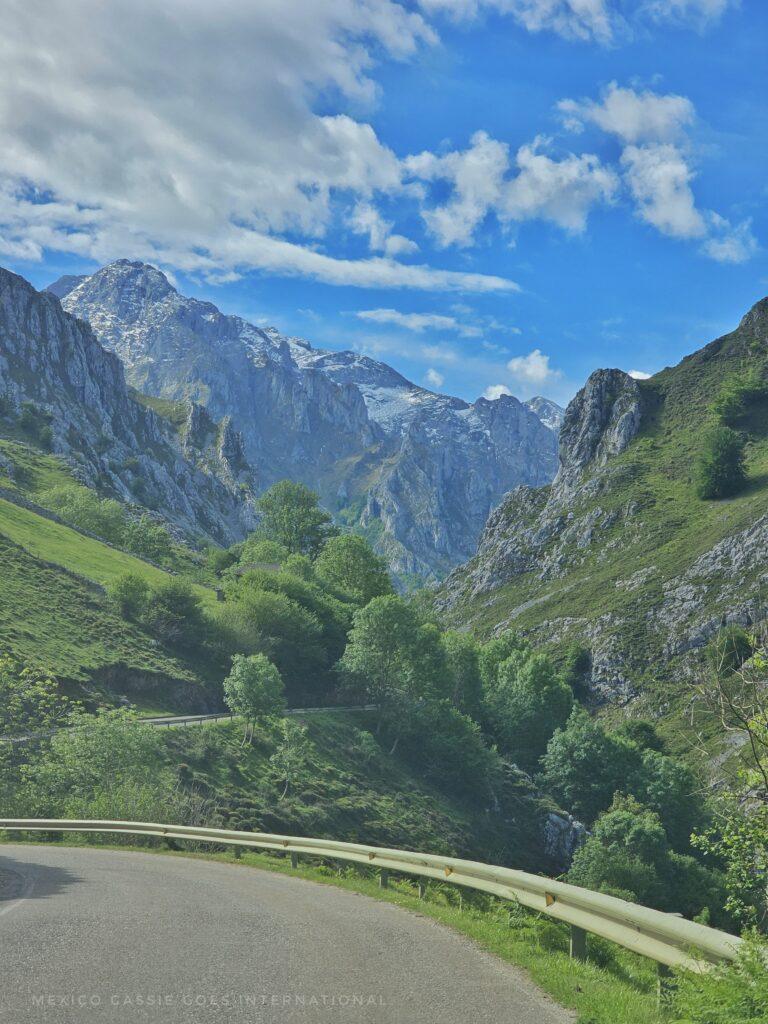
Photo taken in the Picos de Europa
This depends on the type of vacation you’re planning in Spain. If you’re going to be mostly stationary, a car really isn’t vital, you can always book a day trip if you want to do something specific. But if you’re feeling adventurous, or are absolutely planning on road-tripping and are here for a few guidance notes, then yes! Let’s get you ready for that rental car!!
✅ You don’t have to rent a car for the duration of your trip. You can choose to rent a car for just a few days. It’s often very cheap to do so and can really elevate your experience if you do.
🚌 And yes, it’s true, we have great public transport options in Spain. Our rail system is good and there is a comprehensive long distance bus network too. I personally do use both but my preference is always having access to a car, especially when I’m on holiday as I love the freedom the car give me.
🚘 Having a car allows you to get into the countryside, it allows you to explore the small villages, eat in tiny country restaurants, detour to catch an amazing view from a remote mirador, join the Spanish in a joyful roadside picnic, or to follow a winding path to an isolated beach, to a random erotic sculpture gallery in a forest, or to a castle spotted on a distant hill – and yes, all these things have happened to me.
So as you may have guessed, yes, I highly recommend you rent a car if you’re planning on doing more than enjoying the beach or spending time in one or two cities next time you’re in Spain.
→ Read the MexicoCassie tips to ensuring a smooth trip to Spain outside of the car, too
Planning your transport in Spain
These are the sites I always use to check, plan and book my tickets & tours in Spain, and the rest of Europe
🚘 – car rental options with Discover Cars
🚌 – check long distance bus timetables and buy tickets on Busbud
👣 – find tour options and reserve on Viator, GetYourGuide, and wherever possible, Take Walks & Devour Tours
🏨 – and of course, as you travel, you’ll need somewhere to sleep so don’t forget to book your hotels too 😉
MexicoCassie’s recent car rental experiences in Spain (all cars booked through Discover Cars)
My friend and I took a week to go hiking in the Picos de Europa. We picked up the car in Bilbao and had a glorious week exploring the mountains, tiny villages and hiking paths of this incredible region.
On my recent trip to Cataluña, we rented a car to pick up in Barcelona airport. We toured Girona in the car for a week and then returned it before we headed into Barcelona where we relied purely on taxis and public transport. I spent a week sighing over the beauty of the mountains and gleefully driving us all over the province in search of adventure and fabulous meals.
My parents came to visit for Christmas and we wanted to take a couple of day trips so we needed an extra car in order to fit everyone in. I booked a car for three days, picking it up with no hassle at all on the day after Christmas from Seville airport and returning when I took my parents back to the airport. We went to the beach for lunch and to Córdoba for the day.
When I travel to Galicia I rent a car from Santiago de Compostela primarily because my flights from Sevilla don’t tend to land/take off at public transport friendly hours and renting a car can be cheaper than booking a hotel for two extra nights in Santiago.
Important things to take into consideration when driving in Spain
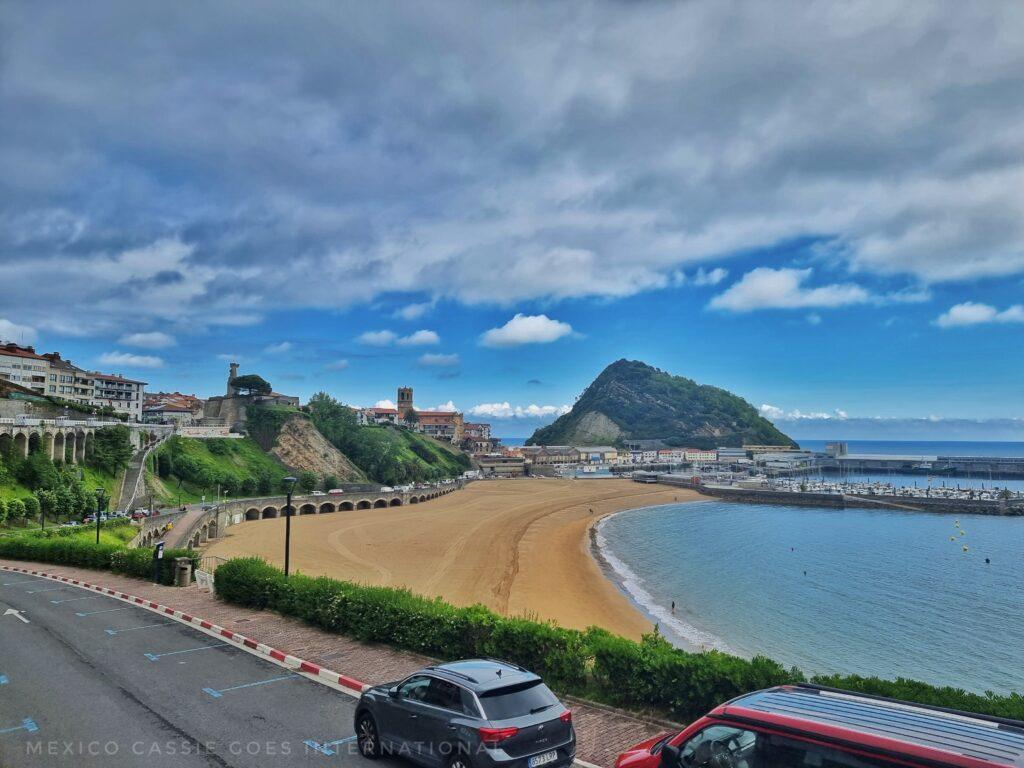
Whether you rent a car, enter Spain with your own car, or borrow one from a friend, there are a few things to keep in mind when driving in Spain.
General rules
🚙 We drive on the right in Spain and you may never undertake – only overtake on the left.
🚧 Distances, speed limits and the speedometer are only in km/hr. Don’t get confused with miles.
🚨 Every car must carry enough reflective vests for everyone in the car, as well as a V-16 beacon (this replaces the requirement for two reflective triangles although you will see these still).
🍻 ❌ Do not ever drink and drive. The legal blood alcohol limit is 0.05% (0.03% for drivers with less than two years of experience). Random breath tests are common.
📵 You may not, under any circumstance use your mobile phone without a hands free kit. There are heavy fines if you are caught using the phone.
🚬 There is a 6 point penalty and a €500 fine for anyone caught chucking a cigarette out of the car window. We suffer from wild fires every summer, please be responsible.
🪪 You are expected to carry your driving licence with you when driving (this may surprise UK visitors as we aren’t required to have our licences on us when driving in the UK).
⛽️ You generally fill your own tank with petrol/gas and then go inside to pay. Some gas stations have the option to pay at the machine and occasionally you’ll find one where the attendant does it for you. I find that Carrefour (the supermarket) offers the most competitive pricing for petrol in Spain.
🧒🏻 Children under 135cm must be in an approved car seat although they are officially recommended for kids up to 150cm (135cm is 4ft 4in). Children under 135cm are also not permitted to sit in the front of the car.
Toll roads in Spain
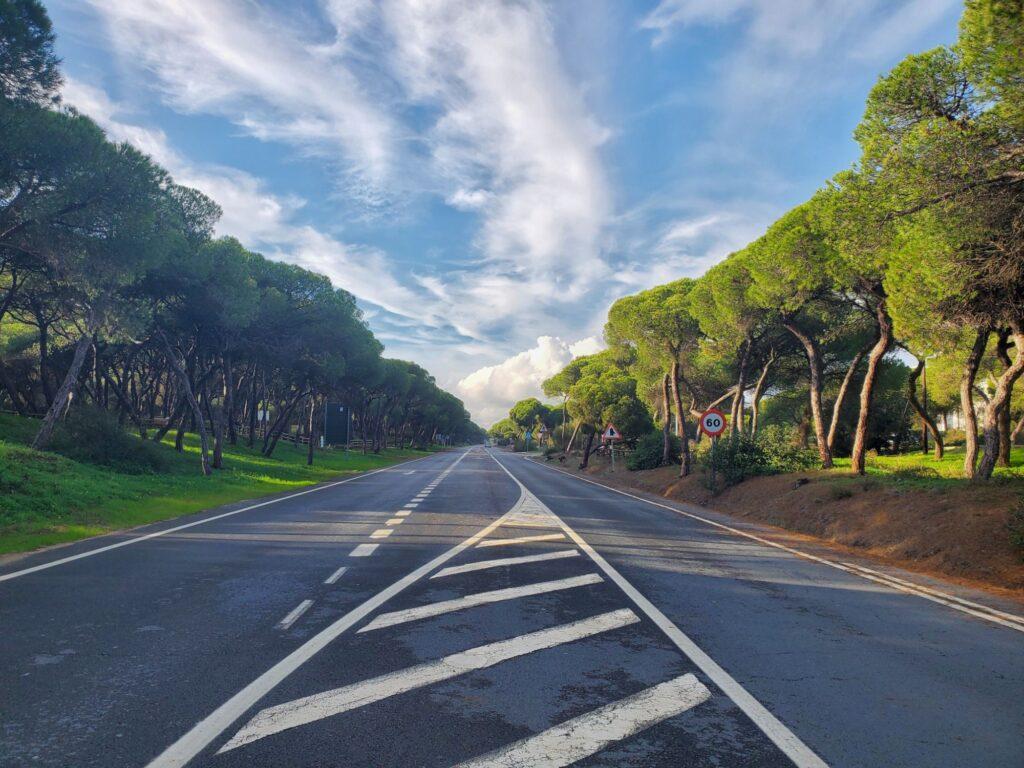
Toll roads are always marked AP + number (Autopista Paeje), regular motorways (highways), will generally have two names – A + number, and a European number too E + number. This can be confusing but both are generally marked on signs and on map apps.
Spain does not go in for toll roads in the same way as Portugal or France, but a few regions have more than others.
How to pay: either cash (Euros), credit/debit card or with the Vía-T automatic payment system if you want to set it up in advance – I’ve never done this and still don’t feel the need to.
Main toll roads in Spain
Basque Country / Euskadi: AP-68 between Bilbao-Zaragoza and the AP-8 between Bilbao – San Sebastian-Donostia
Galicia: AP-9 Atlantic Motorway
Cataluña: AP-7 Mediterranean Motorway between La Junquera and Tarragona
Castilla Y León: AP-66 and the AP-71
Around Madrid: AP6, AP 51 and AP 61 between the provinces of Madrid, Segovia and Ávila + the Madrid Access Radials
Andalucía: AP7 from Málaga to Sotogrande along the coast and the AP46 between Málaga and Villanueva de Cauche (near Antequera).
+ you can find a full list of the toll roads in Spain here
Speed limits in Spain
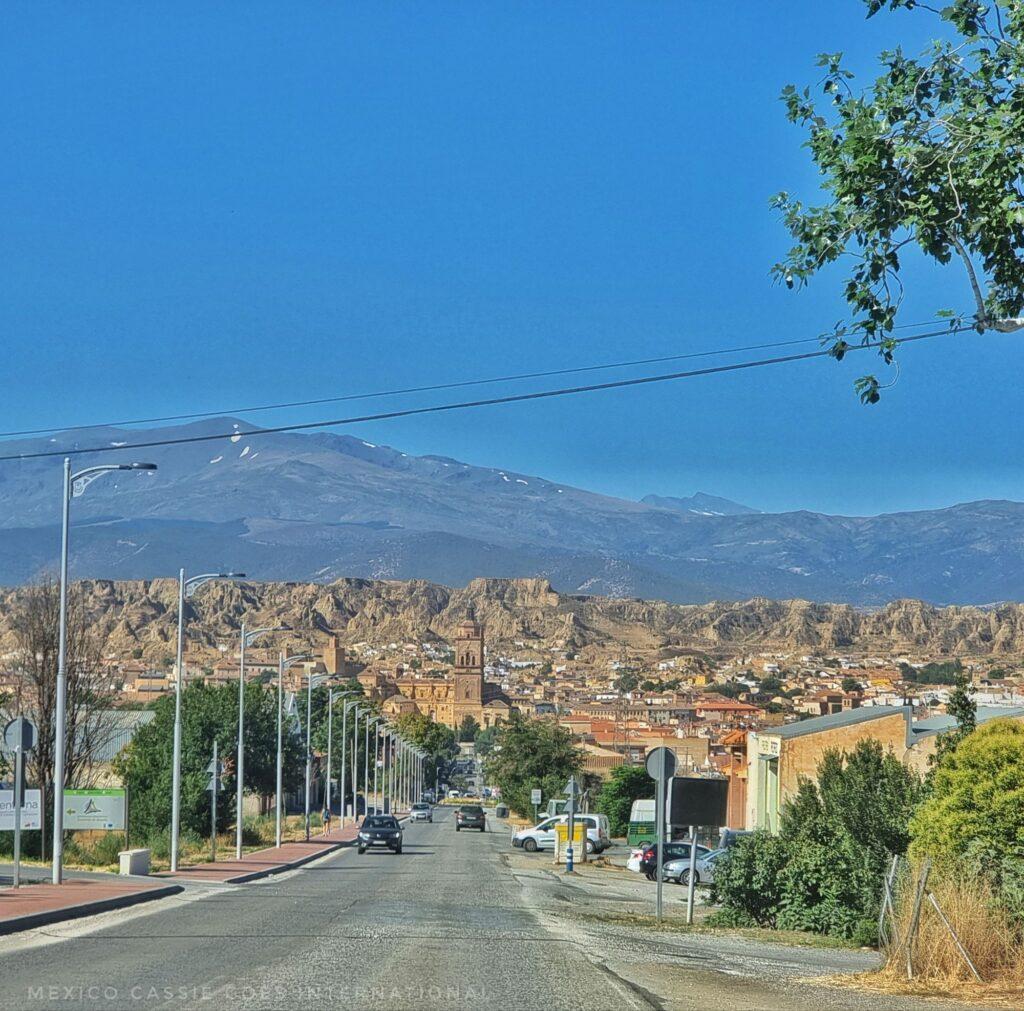
🚦 It is, of course, important to stick to the speed limits in Spain both because it’s the right thing to do and also because there are speed cameras all over the place (and sadly I know they work 📸 😢).
👀 The speed limits are generally fairly well signposted although it’s worth noting that sometimes the speed limit can change extremely quickly, both on the motorway and as you drive through small towns. Watch out.
Autopista – 120 km/hr maximum, some sections 100 km/hr or even 80 km/hr
Country roads – usually 90 km/hr
Towns – between 20 – 50 km/hr depending on size of road and traffic
❌ Be aware that you could get a text purporting to be from the DGT (Spanish Driving Authority) informing you that you’ve been caught speeding and you need to pay your fine. This is a scam. As a foreigner, if you are caught speeding, you’ll receive a letter via your rental company or, very rarely, be stopped by an actual police officer on the road.
Finding your way around Spain
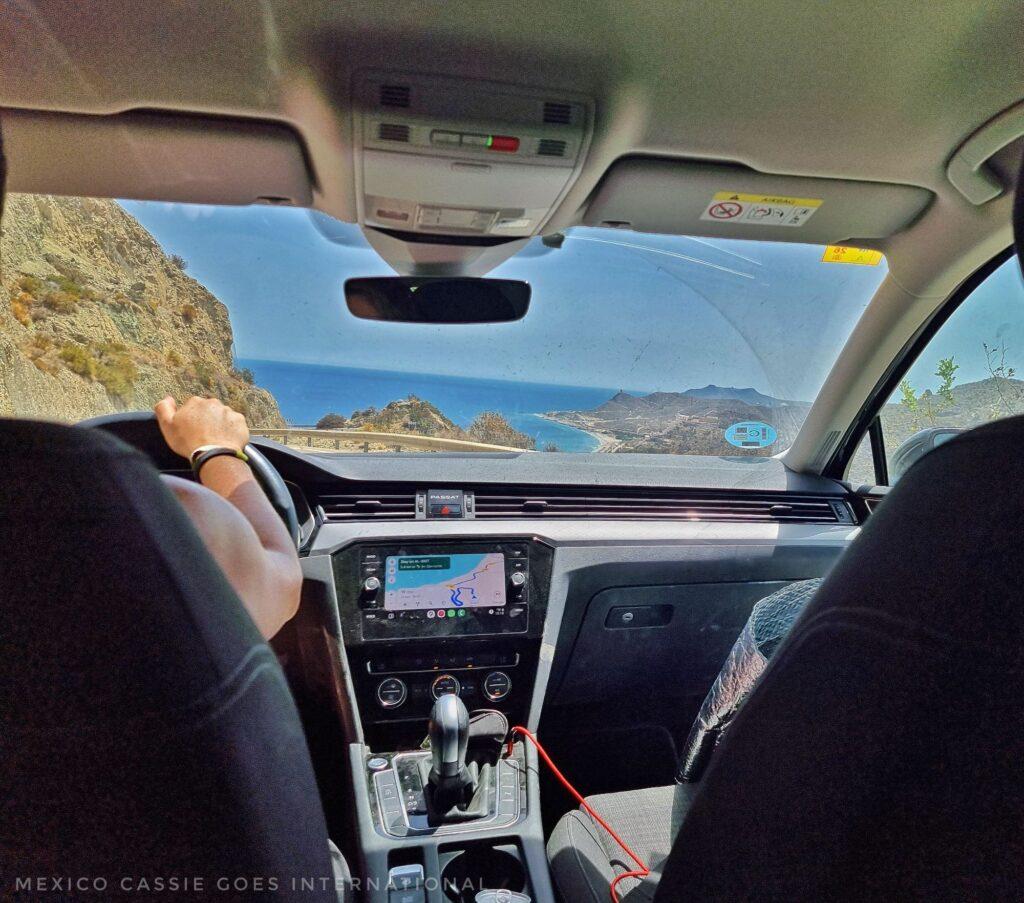
🗺️ I highly, highly recommend you have a mobile phone with a good data plan while you’re in Spain. You won’t want to drive without access to Waze or Google Maps – both work equally well here. Many of my friends like Waze but I have stuck with Google Maps and it hasn’t let me down yet.
📲 If you’re considering an eSIM, read the full MexicoCassie eSIM review and use this 10% discount code to buy yours.
Eating on the road
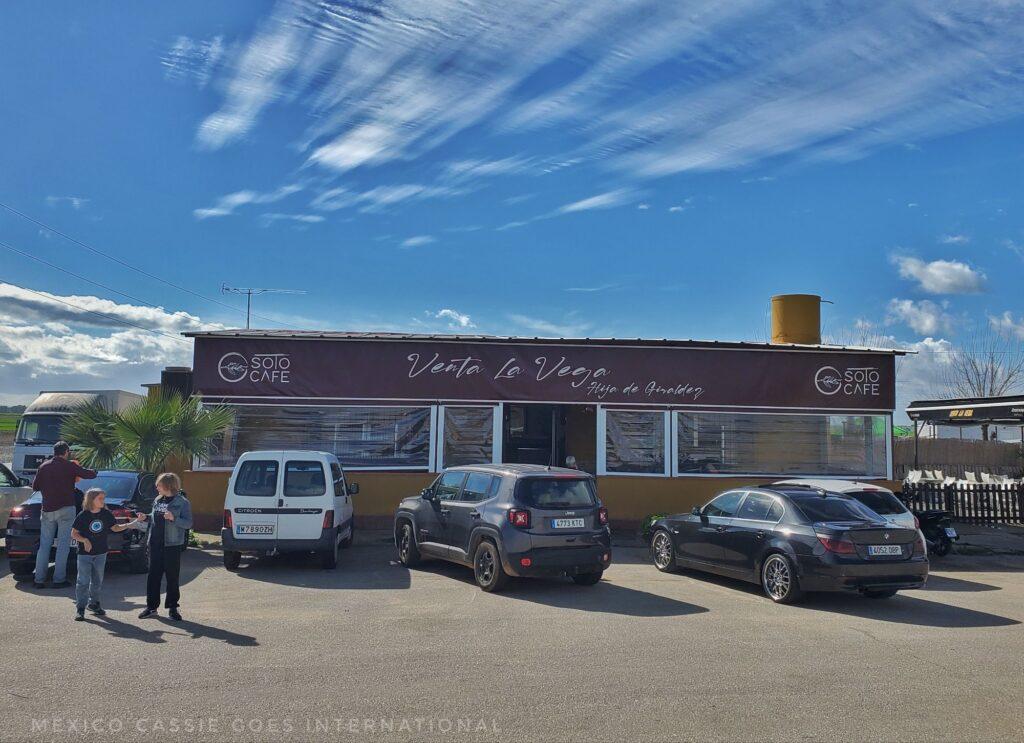
⛽️ As you drive between cities you’ll see petrol (gas) stations. Most of them have small shops attached. These don’t just sell packaged sandwiches, crips and chocolate but many also double as a delicatessen, selling fresh local products.
🍽 You’ll also find attached restaurants & cafes at some of them. And other times you’ll see ‘ventas’ along the side of the road. These ventas are roadside restaurants that are often extremely high quality despite how they look from the outside.
🧺 Or, as we’ve noted already, the Spanish do love a good roadside picnic. As you drive you will see signs for picnic areas, why not try it one day? Grab a tortilla, some gazpacho, ham and fresh bread and Spanishify your life!
Want MexicoCassie to take a look at your travel plans?
Of course you can plan your own trip, that’s why you’re here using my guides! But an expert pair of eyes can be extremely useful when you’re feeling overwhelmed, simply have too many ideas, or you’re not quite sure where to begin.
I offer informal & fun travel planning sessions, bespoke itinerary planning and AI itinerary checking, all based on my many years of travelling and adventuring.
A few things to be aware of when driving in Spanish towns & cities
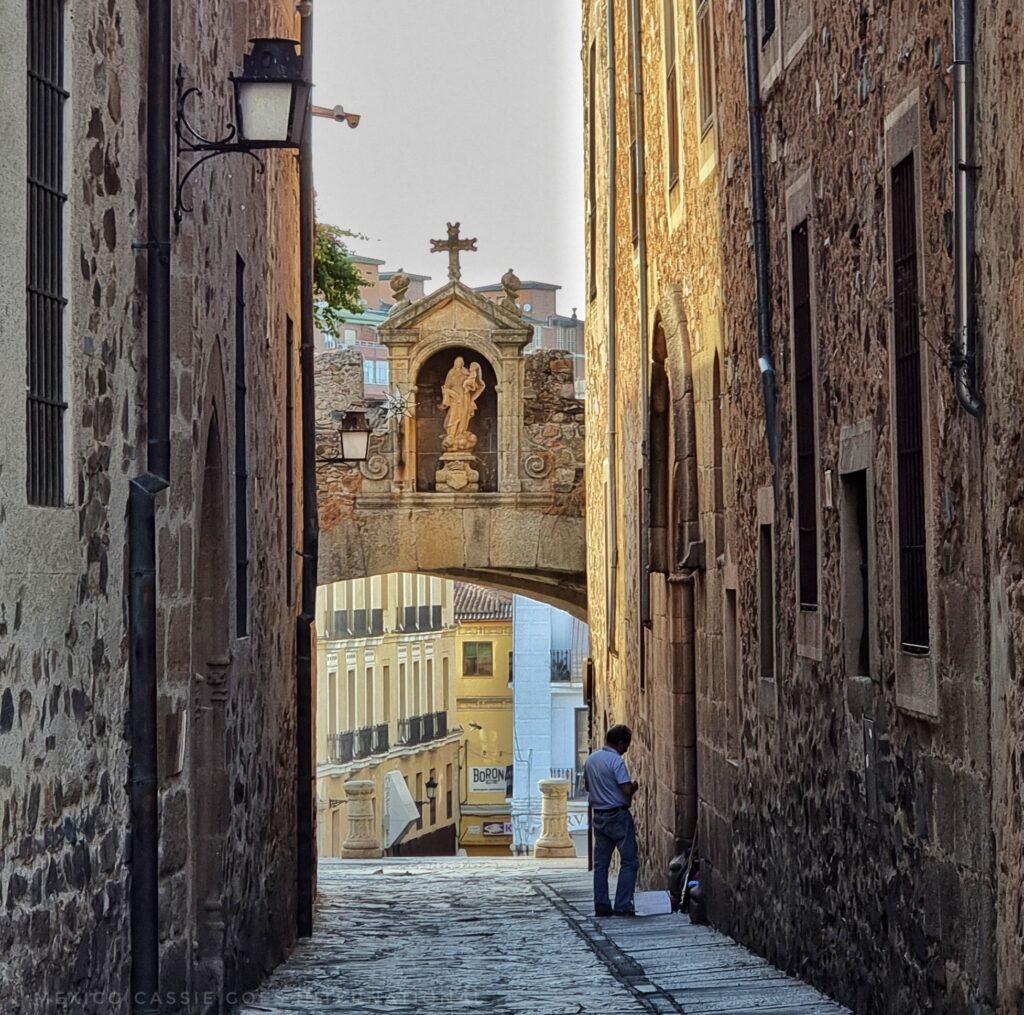
⚠️ Narrow roads – while modern cities have regular sized roads, once you hit the ancient cities, roads can look like the one above. My recommendation is to avoid driving in the very centre of the Old Towns – find your parking on the outskirts and walk in, or if you do need to drive in, do it with care and caution. I do, occasionally drive on these tiny roads and I really don’t enjoy it.
🦓 Pedestrian crossings – Spanish law gives the right of way to pedestrians on these crossings and the Spanish take this very seriously – they waltz out on to the crossings as if cars don’t even exist so please, please, always slow down and look before driving across one.
🔘 Roundabouts – traffic to your left generally has right of way. Very rarely you’ll see road markings to let you know this is not the case. And officially if there is a problem on a roundabout, responsibility/fault lies with whoever was in the inside lane so Spanish drivers all tend to stick to the outside lane. They will also randomly park on city roundabouts so do be aware of this possibility. 😆
😵💫 Hazard warning lights – it’s not only the roundabouts where they’ll stop, Spanish drivers stop pretty much wherever they like, chuck on the hazard warning lights and do whatever they need to do (chat, drink a coffee, buy the day’s vegetables). Be careful.
📲 Google mess ups – the other day my map sent me down the wrong narrowest street you can imagine, and it was a dead end street. I tried to turn around a few times (all with an abuela watching me and clicking her tongue 🤣) but it was impossible and, holding my breath I had to reverse out. Not my favourite moment but lesson learned: always check your map before you set off.
Parking in Spanish cities and towns
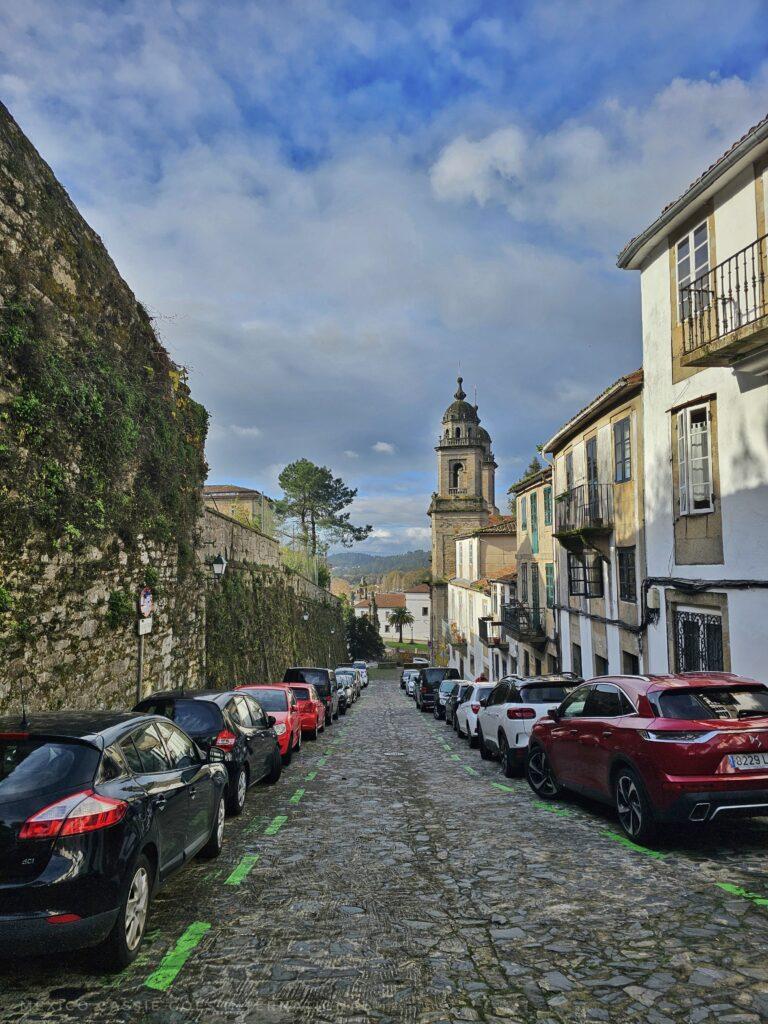
Photo taken in Santiago de Compostela
🅿️ my biggest piece of advice when renting a car in Spain is to plan where you’re going to park before you arrive in a town or city. Find a car park or two online first (you may need a back-up in case one is full) and drive directly there. If you find on-street parking, great, grab it but never expect it. If you can book a spot in a car park, I recommend doing so.
🏨 Your hotel may, or may not provide parking. And if it does, it may not be as close to the hotel as you’d expect. Luckily this is something you can always check before booking when you use Booking.com. I also often send off an email to ask about the specifics of parking.
If you park on the street you need to know that in Spain, generally 🔵 blue lines mean max 2 hrs pay & display , 🟢 green lines mean max 1 hr pay & display, ⚪️ white lines mean free parking (so nab it!) , 🟡 and 🔴 yellow & red lines mean no parking (but this can vary by region so check for your destination). You may also see arrows pointing in one direction or the other for parking – this can change depending on the month of the year.
Renting a car in Spain
⭐️ MexicoCassie recommended rental car broker – Discover Cars
Why?
✅ There aren’t hidden costs with them or surprises when you rent via Discover Cars
✅ Prices are either exactly the same or lower than booking direct and by using a broker you can compare all the options
✅ They typically include local rental companies as well as the larger, international options
✅ Because they’re friendly and helpful
⏲️ It’s important to note that during high season it is essential to reserve your rental car as far in advance as possible to ensure you get the car you need.
⭐️ Size isn’t everything here: don’t assume that the biggest car is the best car when renting in Spain. Roads in towns and up in the mountains can be very narrow and it can be hard to manoeuvre big cars around if you’re not used to them.
🚙 You can generally find automatic cars in most rental companies although manual cars remain more common and cheaper in Europe.
What do you need to rent a car?
This should be obvious but you’d be surprised how many stories I’ve heard of people getting this wrong (and ahem, I have once too).
🏎️ Full and valid driving licence – you must be over 18 to drive in Spain but generally to rent a car the minimum age is 21. There is sometimes an additional fee if you’re under 25.
🛂 ID – Passport
💳 Credit card – I once tried to rent a car with just my debit card, don’t do this. Some places will allow you to do so but that massive insurance hold on your debit card is not funny. Please remember the credit card. Although, with recent rentals through Discover Cars in Spain I’ve not actually needed my credit card as I bough the full coverage.
🚙 International driving permit (IDP) – if you’re not European you may well need an IDP to rent a car in Spain. I say ‘may well’ because technically you are allowed to drive on your US or other licence while on vacation in Spain but rental companies do often ask for the IDP. It costs relatively little so it’s worth picking up before you arrive.
📑 Insurance – Generally, the required unlimited 3rd party insurance will be included in your rental car price but it’s a good idea to check. It’s also possible to add CDW (collision damage waver) if you want it (and if you’re worried about those narrow roads!)
🧐 Obviously you know to check the car carefully for bumps and scratches before you drive it away.
And, in order to help you plan you adventures, use the guides below, or get in touch and ask for a quote for vacation planning assistance
📚 🇪🇸 Read more of MexicoCassie’s Spain guides
→ MexicoCassie guide to whether Spain is safe for tourists
→ MexicoCassie guide to driving in Spain
→ MexicoCassie guide to driving in southern Spain
☕️ MexicoCassie guide to vegetarian tapas, to breakfast and to feeding the kids
📲 MexicoCassie guide to using an eSIM in Spain
⭐️ Tips to help when you visit Spain
Sevilla
⭐️ What is Sevilla famous for? | ⭐️ How many days do you need in Seville? | ⭐️ Everything about the Seville airport bus
⭐️ 1 day in Seville | ⭐️ 3 days in Seville | ⭐️ 5 days in Seville | ⭐️ How to visit Seville in the summer | ⭐️ How to visit the Alcazar | ⭐️ Quirky Seville | ⭐️ 5 alternatives to the Alcázar
⭐️ Best beaches from Seville | ⭐️ Day trips from Seville | ⭐️ Seville with kids | ⭐️ Seville with teenagers | ⭐️ How to see flamenco in Seville | ⭐️ Best family friendly tours in Seville | ⭐️ Exploring Sevilla Province
➕ Hire MexicoCassie as your amiguía for the day in Sevilla or Alcalá de Guadaíra
Málaga
⭐️ 3 days in Málaga | ⭐️ 1 day in Málaga | ⭐️ Day trips from Málaga | ⭐️ 1 day in Ronda | ⭐️ 1 day in Ronda with kids | ⭐️ What to do in Antequera | ⭐️ Exploring Málaga with kids
Córdoba
⭐️ What to do in Córdoba | ⭐️ Planning your Córdoba day trip from Seville | ⭐️ Day trips from Córdoba | ⭐️ Exploring Córdoba with kids | ⭐️ 1 day in Córdoba | ⭐️ Zuheros, the most beautiful village in Córdoba
Cádiz
⭐️ What to do in Cádiz province | ⭐️ How to spend 1 day in Cádiz city | ⭐️ What to do in Cádiz with kids | ⭐️ Day trips from Cádiz | ⭐️ Exploring Tarifa | ⭐️ How to get to Tangier from Tarifa | ⭐️ Exploring Gibraltar | ⭐️ What to do in Jerez de la Frontera
Huelva
⭐️ Is Huelva worth visiting? (YES) | ⭐️ What to see in the gorgeous Aracena
Granada
⭐️ Planning your Granada city break | ⭐️ Granada with kids | ⭐️ 2 days in Granada | ⭐️ How to explore Guadix and its cave houses
Almería
⭐️ Things to do in Almería City | ⭐️ What to do in Almería with kids | ⭐️ Is Almería worth visiting? | ⭐️ Figuring out the Almería beaches
Community of Valencia
⭐️ 1 day in Valencia | ⭐️ 2 days in Valencia | ⭐️ Museums in Valencia ⭐️ Day trips from Valencia | ⭐️ Valencia with kids
Community of Madrid
⭐️ Why should you visit Madrid | ⭐️ Spending 5 awesome days in Madrid | ⭐️ 3-day Madrid itinerary
Castilla y León
⭐️ Segovia, a perfect day trip from Madrid | ⭐️ How to visit Medina del Campo | ⭐️ How to visit Zamora
Euskadi (Basque Country)
⭐️ What to do in the Basque Country | ⭐️ Excellent things to do in San Sebastián | ⭐️ Is San Sebastián worth visiting? | ⭐️ How many days do you need in San Sebastián? | ⭐️ Day trips from San Sebastián | ⭐️ San Sebastián with kids | ⭐️ Is Bilbao worth visiting? | Planning and taking day trips from Bilbao | Why Vitoria-Gasteiz is worth visiting?
Picos de Europa
⭐️ Road trip itinerary for the Picos de Europa | ⭐️ Planning for a trip to the Picos de Europa | ⭐️ Las Arenas de Cabrales | ⭐️ Visiting Potes
Extremadura
⭐️ Everything you need to explore Monfragüe | ⭐️ What to do in Mérida | ⭐️ What to do in Cáceres | ⭐️ How to visit Plasencia | ⭐️ Visiting Zafra (Sevilla Chica) | ⭐️ What to do in Badajoz | ⭐️ How to visit Jerez de los Caballeros | ⭐️ Extremadura road trip
Galicia
⭐️ What to do in Ferrol | ⭐️ Everything you need to visit Santiago de Compostela | ⭐️ Great reasons to visit A Coruña | ⭐️ Northern Galicia road trip | ⭐️ Visiting Combarro
Cataluña
⭐️ Road trip around Girona Province | ⭐️ Spending 1 day in Girona | ⭐️ 1 day in Barcelona | ⭐️ How to visit Castellfollit de la Roca
La Gomera (Canary Island)
⭐️ Hiking on La Gomera | ⭐️ La Gomera with kids | ⭐️ Take a day trip to La Gomera