Gorgeous Zamora – a tourist free adventure
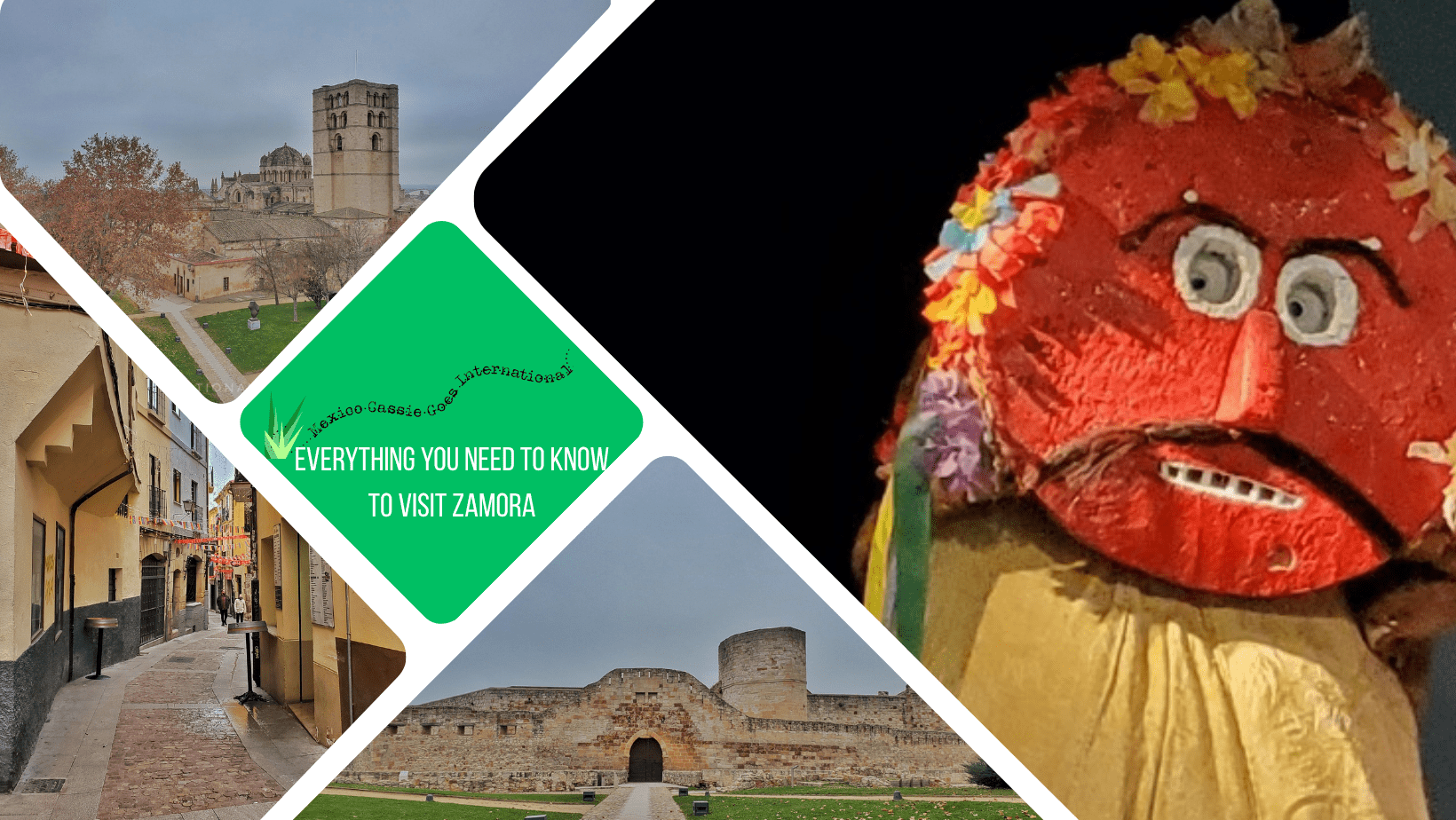
Zamora is not particularly a tourist destination and that’s one of the things I love about it. It’s a beautiful small city city that’s often called the Pearl of the Douro, and it’s home to more Romanesque buildings than anywhere else in the world.
Why choose to head to the same place as everyone else when you can visit somewhere beautiful, historical, with great food, and without the crowds? While everyone else is visiting to nearby Salamanca, León or Segovia, I recommend you take your own path (mine? heehee) and check out beautiful Zamora.
Spain is a big country and tourists, over and over, flock to the same destinations (thanks social media), so why not try find a different side of Spain where there aren’t always menus or tours in English, where you aren’t jostling with crowds on the streets?
There are affiliate links in this article. If you click and make a purchase I could make a small sum at zero cost to you. Thank you!
Why should you visit Zamora?
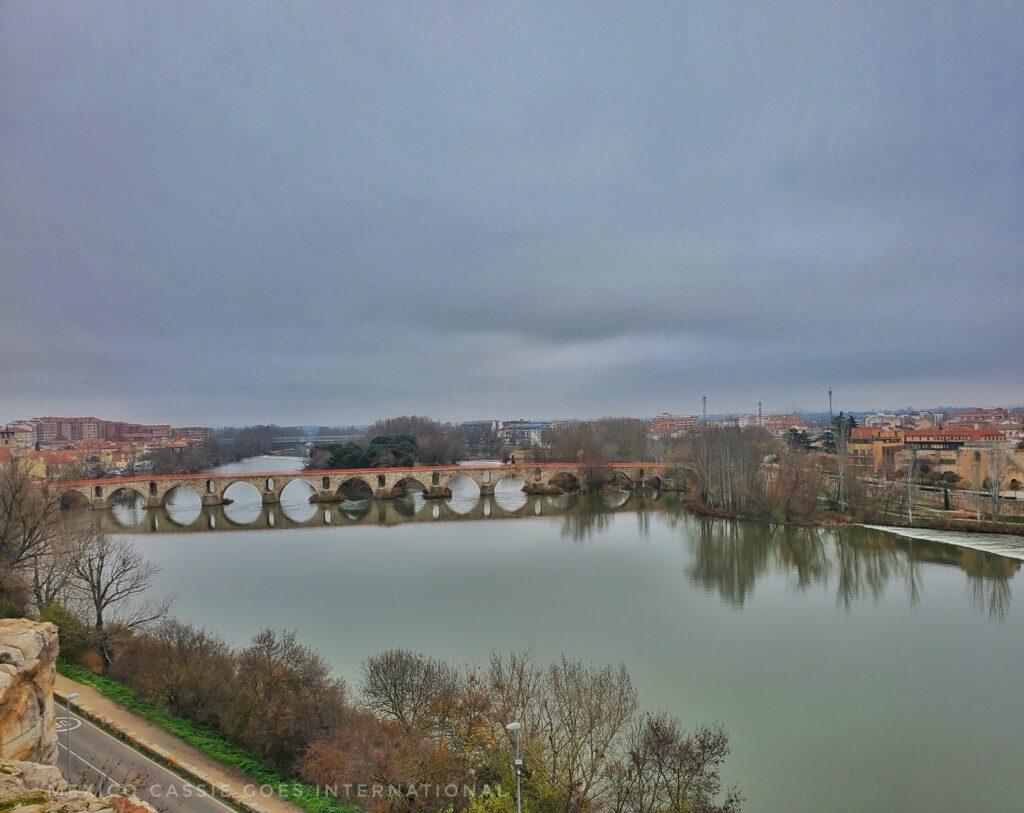
Because it’s beautiful, because other people aren’t, because there’s definitely enough to explore and learn here to keep you entertained and again, because other people aren’t.
This is Spain too. And this is the Spain I love.
So, what does Zamora have to interest you?
⭐️ History – there has been a settlement here since the Bronze Age but under the Romans the city really began to grow thanks to its strategically important location on the Vía de la Plata. Alfonso I of Asturias conquered Zamora from the Muslims in the mid 8th century but it was quickly reconquered by the Muslims. It swapped hands regularly until Fernando I de Castilla took it for the last time for the Christians in the 11th century.
⭐️ The old city is protected by defensive 11th century walls and gates – you can still see them today
⭐️ It’s considered to be Spain’s capital of Romanesque art and is often called the Pearl of the Douro
⭐️ Fun and interesting festivals
⭐️ Good food and great wine
⭐️ Sunsets along the Douro – you don’t have to go to Porto for this (although I do love Porto)
Where is Zamora?
Zamora is a small town of 66,000 people located in the Autonomous Region of Castilla y León. The nearest well known cities are Salamanca, León & Valladolid. It’s also excitingly close to Portugal, in fact when we stayed nearby we wandered into Portugal for a bit of fun and some lunch.
🛂 There’s no official border crossing, you just drive straight over
I love crossing borders just for fun (and yes, I am absolutely aware of the immense privilege it is to do this).
🕣 Remember the clocks go back one hour as you enter Portugal
Also nearby are Medina del Campo and Tordesillas, two historically important towns in Spanish history.
How to get to Zamora
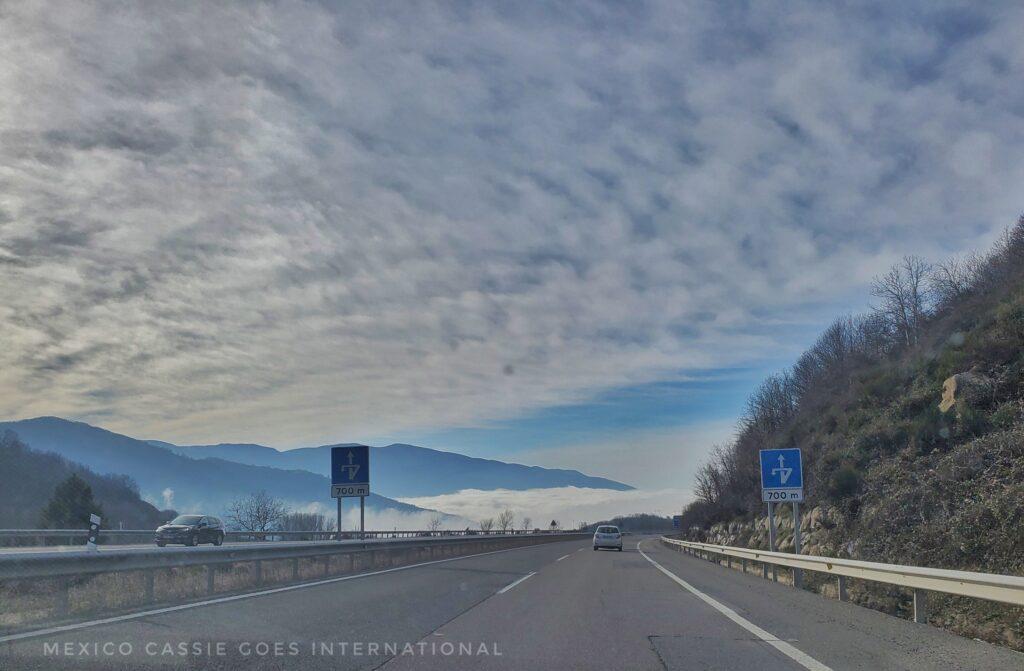
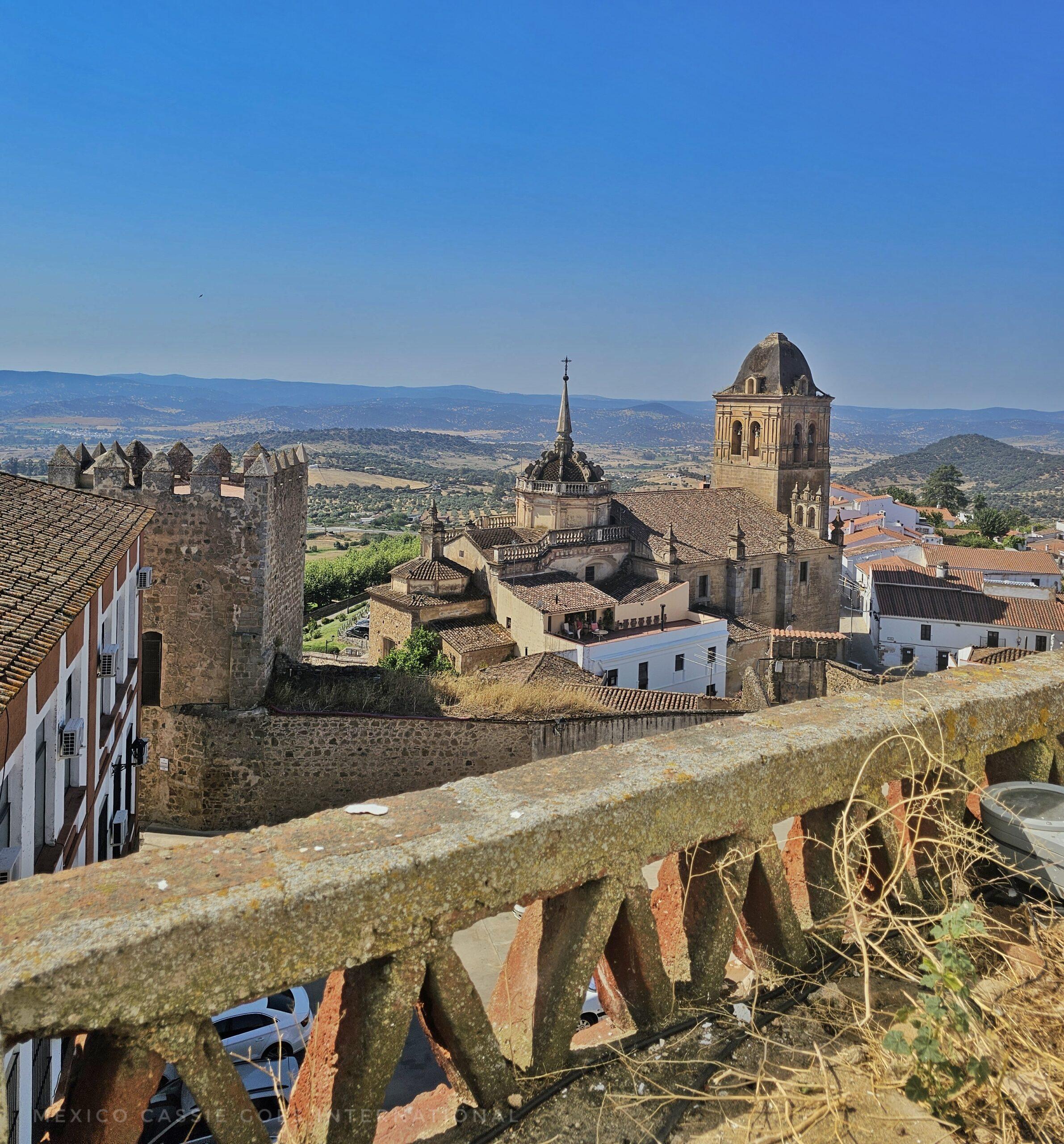
🚗 Zamora is well linked to everywhere. The roads, like pretty much all roads in Spain, are good, and unlike many historical cities, parking here is actually pretty easy (photo is of our journey into the city).
→ Read the full MexicoCassie guide to driving in Spain to find out just how easy it is
→ Check your rental car options and prices now
🚌 The bus station is a little north of the old city, a twenty minute walk from the plaza mayor. Zamora is well served by
🚆The train station is basically in the same place as the bus station, a little outside of the old town. There are direct trains from Charmartín, in Madrid, from Valladolid and from Galicia (it’s on the route between Galicia and Madrid). Other destinations may well require a transfer.
→ Check bus and train routes and buy tickets with Trainline
📲 If you’re considering an eSIM, read the full MexicoCassie eSIM review and use this 10% discount code to buy yours.
Where to stay in Zamora
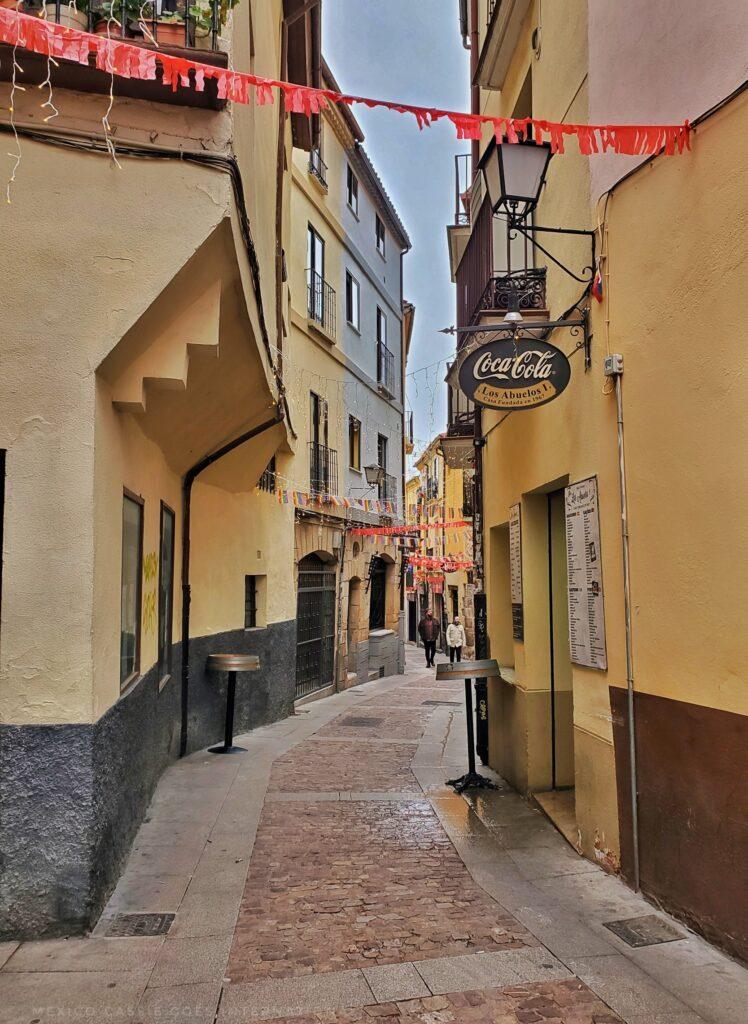
Truthfully, one day is enough in Zamora if you just want to wander around town, check out the main sites and the museums and then leave. But if you are interested in the region, this is a lovely little town in which to base yourself for 3-5 days.
I actually stayed outside of Zamora, in Muelas del Pan, a tiny village nearby because I was in the area with my entire family and we needed somewhere with space to play but these are the hotels we also considered in town.
🏨 Top MexicoCassie recommendation: Hosteria Real de Zamora – this is a stunningly beautiful 16th century building (with a very strange history). The rooms are all around a cloistered courtyard, it’s reasonably priced and very central.
🏨 MexicoCassie boutique recommendation: Ares Hotel – a nicely decorated hotel with a great breakfast and views over the city walls.
🏨 MexicoCassie value recommendation: Hotel Doña Urraca – central, good, comfortable rooms but no breakfast served here (many nearby breakfast bars)
🗺️ Or, if none of these work for your tastes, use the interactive MexicoCassie accommodation finder map to choose something better
What to do in Zamora
Have you heard the Spanish phrase, “no se ganó Zamora en una hora” (“Zamora was not won in an hour“) – this is a common phrase in Spanish meaning, ‘to achieve we need to be patient and work hard’.
It apparently originates from the late 11th century when the city held out against the siege of Sancho II of Castilla against his sister’s rule of the city for 6 months.
His sister, Urraca was ‘given’ the city by her dad, Fernando, and Sancho got all pissy because a girl got something he wanted. He did not win the siege. In fact he was killed by a Zamoran resident 🤣 Hah.
🚂 There’s a little tourist train that does a 45 minute lap of the city, highlighting the main points. It runs a few times in the morning and late afternoon from the Plaza Mayor and finishes in front of the cathedral. It sets off at 10.30, 11.30 and 12.30 in the morning and 6, 7,8 and 9pm every afternoon.
📲 You can download an interactive walking tour onto your mobile to help you explore.
🏰 Castle of Zamora
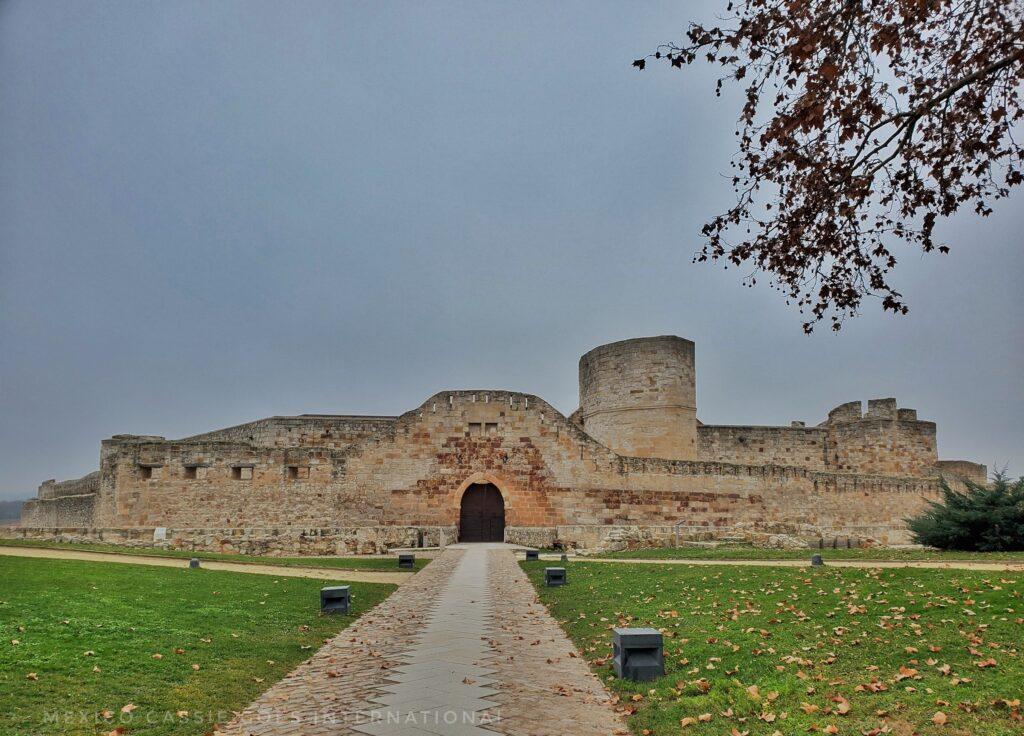
This is an 11th century fortress castle that was built under Fernando I. It was restored in the 18th century and while it’s not the most exciting of buildings to walk around, it’s very nice, the views are good and it’s free!
Always check the opening times as they vary throughout the year
Cathedral de Zamora
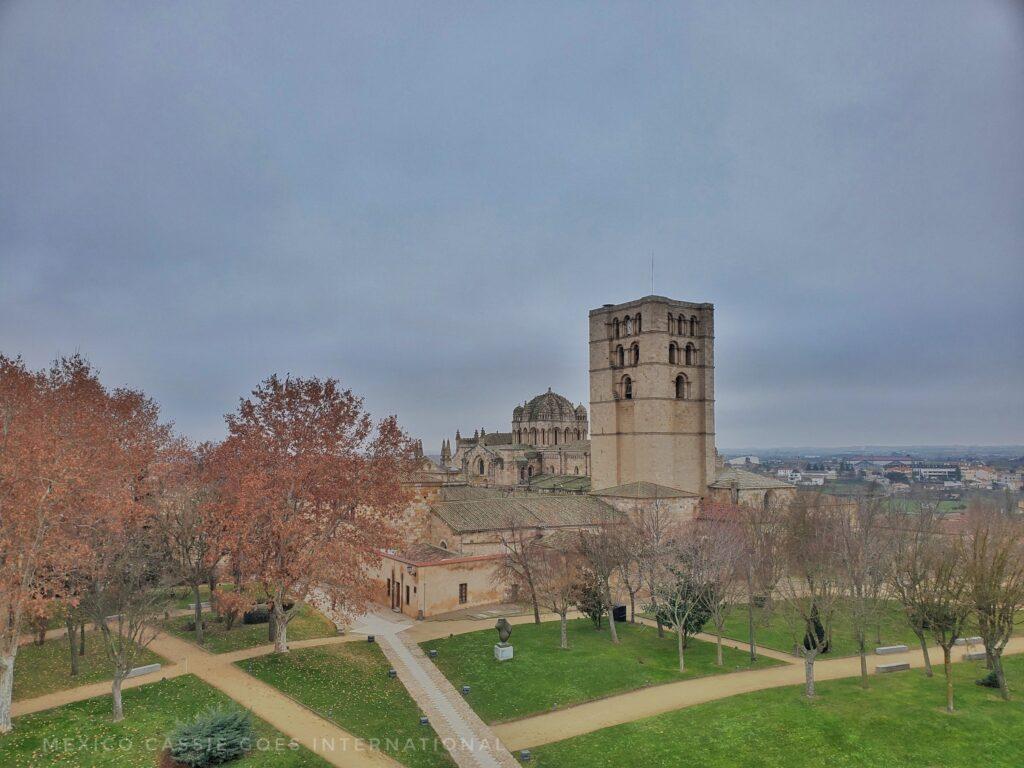
This is a 12th century Romanesque cathedral with a good collection of Flemish tapestries in the upstairs museum. The cathedral may not be large or imposing (in fact it’s the smallest in Castilla y León) but apparently it’s considered to be one of the most captivating in all of Spain. The tower of the Zamora cathedral is called the Torre del Salvador and it’s 45m high.
Both the castle and the cathedral are located in Parque San Martín a lovely park that’s also home to the Museo Pedagógico de Zamora, a small museum about the history of education in Spain. I didn’t visit and reviews are mixed. You’ll also find the Zamora city letters here and the Baltasar Lobo museum.
➕ There are multiple other churches in the romanesque style in Zamora although I didn’t visit them because, well, I don’t find it particularly enthralling.
Puente de Piedra
A 12th century stone bridge that crosses the Douro linking the two sides of the city. It has been renovated many times over the last thousand years but it’s ostensibly still the same bridge. I didn’t stay for sunset but apparently, they are a delight here. There are a few miradors in town for great views over the river and bridge.
I’ve also read that it’s possible to take a small boat across the river but I haven’t found anything definitive to share with you – if you have more information than me, do let me know.
Please note that you’ll read in some blogs that this is a Roman bridge. It is not. It is Romanesque – ie built in the Roman style. If you want to see a Roman bridge, I recommend Mérida or Córdoba.
Zamora city walls
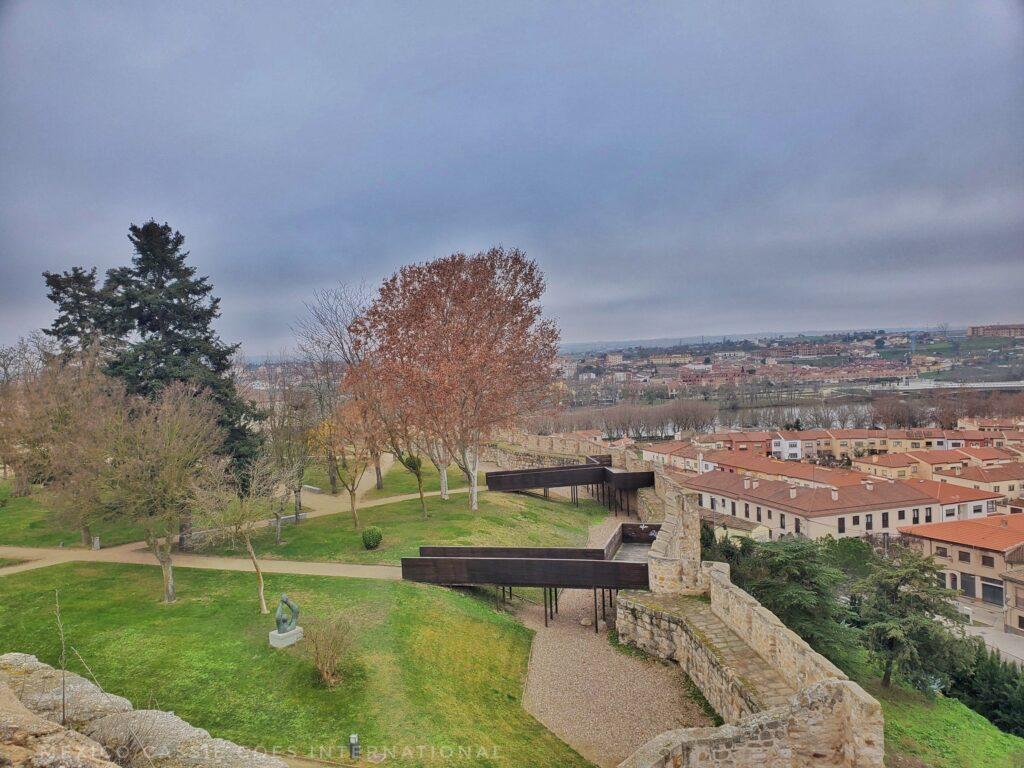
The city walls were built during the 11th-13th centuries and Zamora has always been known as “la bien cercada” (well-enclosed). Apparently Zamora was an important defensive city against Arab incursions north through Spain. (annoyingly I didn’t take good photos of the walls, sorry).
Look out for the city gates, particularly the Doña Urraca Gate as you explore the walls.
Museo Etnográfico de Castilla y León
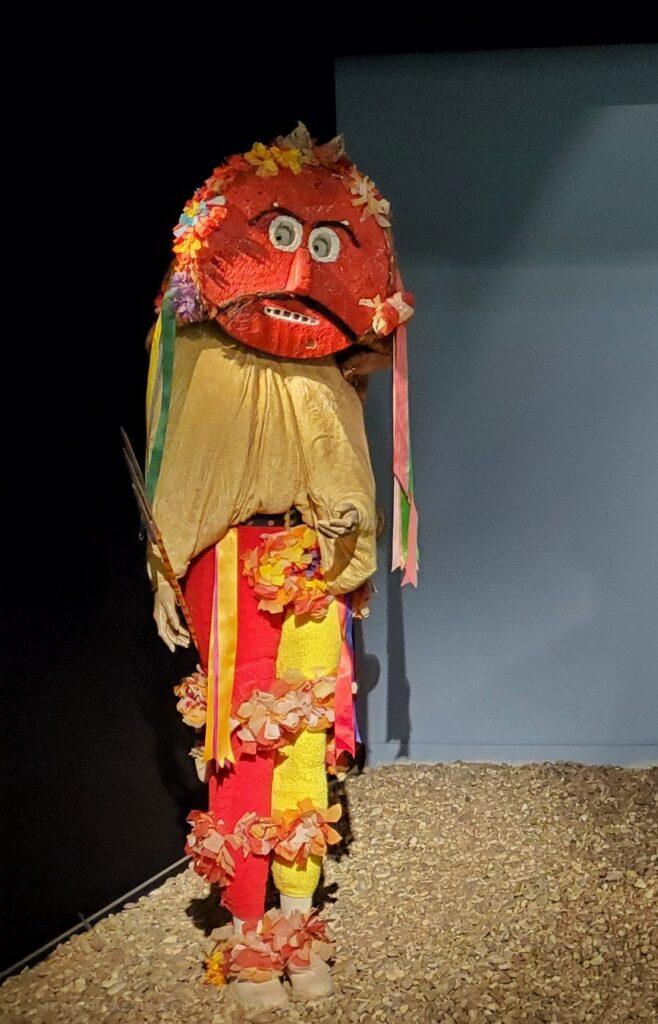
This is an excellent museum in the centre of Zamora, however, there isn’t much in English so do take this into account when deciding if you want to visit or how long you’ll need here. We really enjoyed the exhibitions.
There are also two other good museums in Zamora
Museo de Zamora, a small archaeological museum that I’d have liked to visit but my family were done with museums at this point
Museo de Semana Santa – currently closed
Festivals
Semana Santa – Easter week, obviously a movable feast but it’s very popular here
Festivos de San Pedro – June 29th. San Pedro is the patron saint of Zamora the city turns into one big cultural party in the week leading up to this date.
Festivo de ajo (garlic festival) – San Pedro is also the saint of garlic (hater of vampires?) so on the 29th June you’ll also find a traditional market with hundreds of stalls selling their garlic products in Zamora. 🧄
Music festivals – Little Opera in July, Za!Fest, modern musical festival take place in June/July. There’s also a flamenco festival in June. 💃🏻
Cheese festival – a three day cheese festival is held in September 🧀
(there’s also a bullfighting festival but obviously I’m not recommending this to you as it’s a cruel and nasty ‘sport’).
Regional gastronomy
Obviously, Spanish food is generally excellent but while you’re in this region, you must look out for zamora cheese and rice (a hearty rice cooked with pork), amazing roast lamb and incredible quality aliste beef.
→ For the vegetarians, use the MexicoCassie guide to vegetarian food in Spain to find something to eat
→ If you’re travelling with kids, the MexicoCassie guide to finding food for kids in Spain will come in handy (it’s based on all the things my kids do/don’t eat
→ And just because, if you’re wondering about Spanish breakfasts, and how to order your coffee correctly, the MexicoCassie breakfast guide is all you’ll need
→ Read the MexicoCassie tips to ensuring a smooth trip to Spain
Wine: there are four Designations of Origins for Zamora wines – Vino de Toro, Vino de Arribes del Duero, Valles de Benavente and Tierra del Vino de Zamora. The best known of these is definitely Vino de Toro (even I’ve heard of it) and apparently it’s been in existence since the 12th century.
There’s a wine museum in Morales de Toro, thirty minutes from Zamora, on the route to Tordesillas.
→ Read more about the wine routes here and book excellent wine tours here
What is there to do nearby?
Because Zamora isn’t a major tourist hub, day trips from here will be easiest to plan if you have a car (and good internet access so your maps will work as you explore)
🚗 Zamora is well linked to everywhere with good roads
→ Read the full MexicoCassie guide to driving in Spain to find out just how easy it is
→ Check your rental car options and prices now
📲 If you’re considering an eSIM, read the full MexicoCassie eSIM review and use this 10% discount code to buy yours.
Nature adventures
Arribes del Duero Natural Park– this is a spectacular canyon carved out by the river Douro with walls over 200 or even 400 metres high, where you can take a cruise
Lago de Sanabria – the only glacial lake on the Iberian peninsula, where legend has it that on the Night of San Juan (23 June) you can hear the peal of the bells from the village submerged beneath its waters. Here you can swim from the ‘beaches’, rent kayaks & paddle boats as well as enjoy a meal in a traditional chiringuito
Lagunas de Villafáfila – lakes where thousands of migrating birds stop to rest – there’s a good interpretation centre here
Sierra de la Culebra – home to the greatest density of wolves in Spain
You can even into Portugal to check out the Fraga do Puio Viewpoint (1hr15)
City adventures
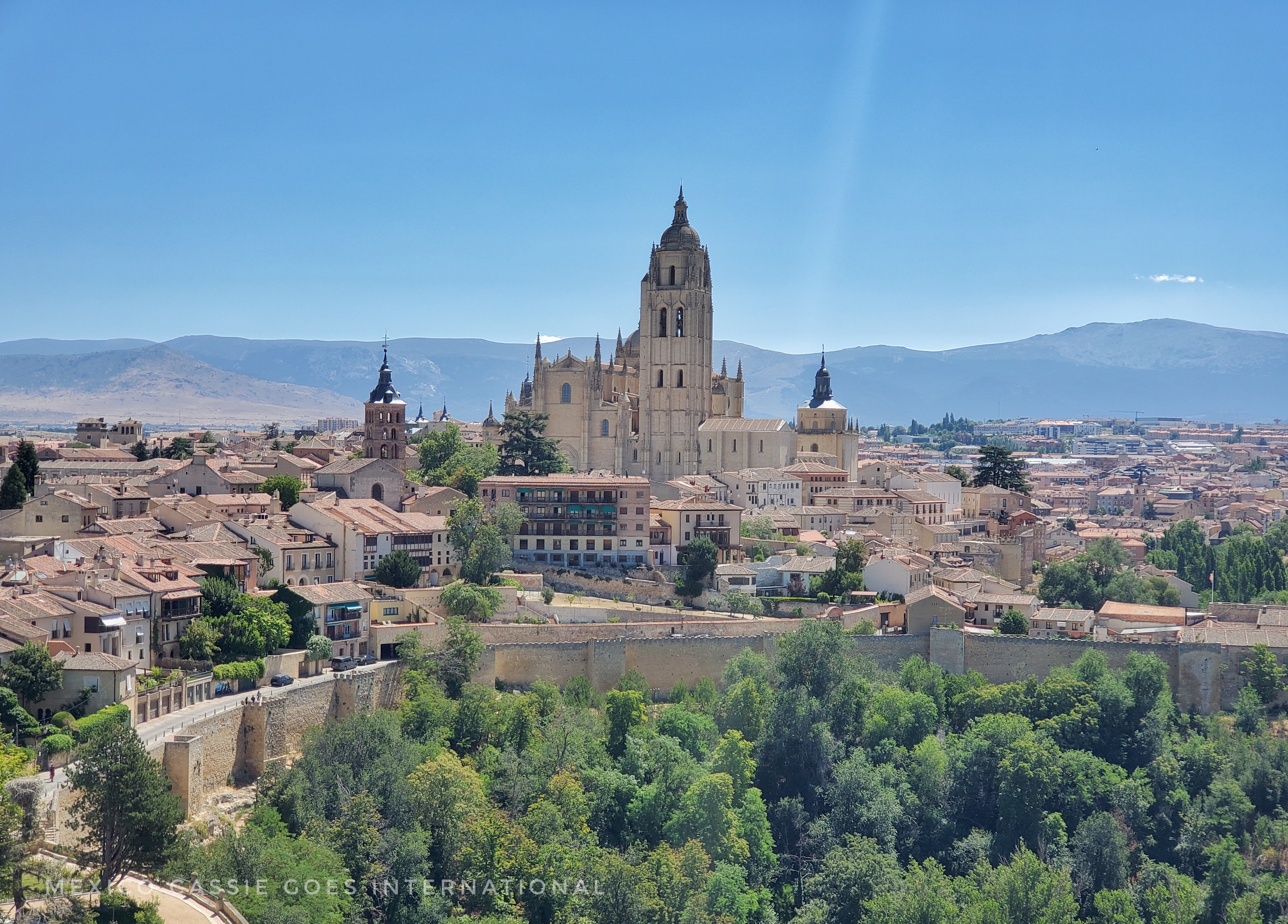
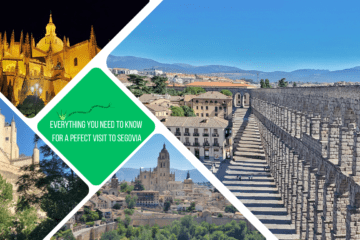
Segovia – one of Spain’s most beautiful cities, famous for its incredible Roman aqueduct and the magnificent castle (photo on left).
→ Read the full MexicoCassie guide to visiting Segovia
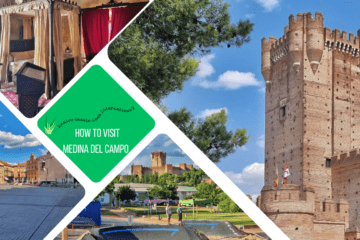
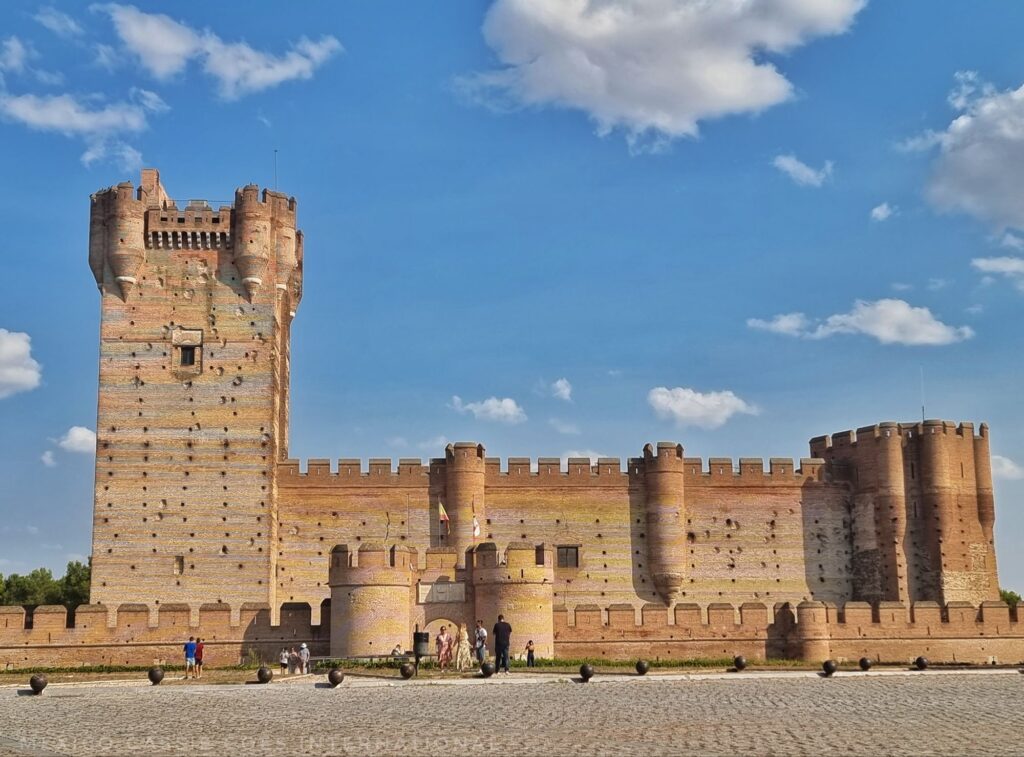
Medina del Campo – a small town with very few visitors but an incredible castle with fun tours (photo on right)
→ Read the full MexicoCassie guide to visiting Medina del Campo
Salamanca – one of Spain’s most famous cities, home to the oldest university in Spain
Tordesillas – less well known but very important as it was here, in 1492, that the Spanish and Portuguese took it upon themselves to ‘divide up’ the ‘new world’.
📚 🇪🇸 Read more of MexicoCassie’s Spain guides
→ MexicoCassie guide to whether Spain is safe for tourists
→ MexicoCassie guide to driving in Spain
→ MexicoCassie guide to driving in southern Spain
☕️ MexicoCassie guide to vegetarian tapas, to breakfast and to feeding the kids
📲 MexicoCassie guide to using an eSIM in Spain
⭐️ Tips to help when you visit Spain
Sevilla
⭐️ What is Sevilla famous for? | ⭐️ How many days do you need in Seville? | ⭐️ Everything about the Seville airport bus
⭐️ 1 day in Seville | ⭐️ 3 days in Seville | ⭐️ 5 days in Seville | ⭐️ How to visit Seville in the summer | ⭐️ How to visit the Alcazar | ⭐️ Quirky Seville | ⭐️ 5 alternatives to the Alcázar
⭐️ Best beaches from Seville | ⭐️ Day trips from Seville | ⭐️ Seville with kids | ⭐️ Seville with teenagers | ⭐️ How to see flamenco in Seville | ⭐️ Best family friendly tours in Seville | ⭐️ Exploring Sevilla Province
➕ Hire MexicoCassie as your amiguía for the day in Sevilla or Alcalá de Guadaíra
Málaga
⭐️ 3 days in Málaga | ⭐️ 1 day in Málaga | ⭐️ Day trips from Málaga | ⭐️ 1 day in Ronda | ⭐️ 1 day in Ronda with kids | ⭐️ What to do in Antequera | ⭐️ Exploring Málaga with kids
Córdoba
⭐️ What to do in Córdoba | ⭐️ Planning your Córdoba day trip from Seville | ⭐️ Day trips from Córdoba | ⭐️ Exploring Córdoba with kids | ⭐️ 1 day in Córdoba | ⭐️ Zuheros, the most beautiful village in Córdoba
Cádiz
⭐️ What to do in Cádiz province | ⭐️ How to spend 1 day in Cádiz city | ⭐️ What to do in Cádiz with kids | ⭐️ Day trips from Cádiz | ⭐️ Exploring Tarifa | ⭐️ How to get to Tangier from Tarifa | ⭐️ Exploring Gibraltar | ⭐️ What to do in Jerez de la Frontera
Huelva
⭐️ Is Huelva worth visiting? (YES) | ⭐️ What to see in the gorgeous Aracena
Granada
⭐️ Planning your Granada city break | ⭐️ Granada with kids | ⭐️ 2 days in Granada | ⭐️ How to explore Guadix and its cave houses
Almería
⭐️ Things to do in Almería City | ⭐️ What to do in Almería with kids | ⭐️ Is Almería worth visiting? | ⭐️ Figuring out the Almería beaches
Community of Valencia
⭐️ 1 day in Valencia | ⭐️ 2 days in Valencia | ⭐️ Museums in Valencia ⭐️ Day trips from Valencia | ⭐️ Valencia with kids
Community of Madrid
⭐️ Why should you visit Madrid | ⭐️ Spending 5 awesome days in Madrid | ⭐️ 3-day Madrid itinerary
Castilla y León
⭐️ Segovia, a perfect day trip from Madrid | ⭐️ How to visit Medina del Campo | ⭐️ How to visit Zamora
Euskadi (Basque Country)
⭐️ What to do in the Basque Country | ⭐️ Excellent things to do in San Sebastián | ⭐️ Is San Sebastián worth visiting? | ⭐️ How many days do you need in San Sebastián? | ⭐️ Day trips from San Sebastián | ⭐️ San Sebastián with kids | ⭐️ Is Bilbao worth visiting? | Planning and taking day trips from Bilbao | Why Vitoria-Gasteiz is worth visiting?
Picos de Europa
⭐️ Road trip itinerary for the Picos de Europa | ⭐️ Planning for a trip to the Picos de Europa | ⭐️ Las Arenas de Cabrales | ⭐️ Visiting Potes
Extremadura
⭐️ Everything you need to explore Monfragüe | ⭐️ What to do in Mérida | ⭐️ What to do in Cáceres | ⭐️ How to visit Plasencia | ⭐️ Visiting Zafra (Sevilla Chica) | ⭐️ What to do in Badajoz | ⭐️ How to visit Jerez de los Caballeros | ⭐️ Extremadura road trip
Galicia
⭐️ What to do in Ferrol | ⭐️ Everything you need to visit Santiago de Compostela | ⭐️ Great reasons to visit A Coruña | ⭐️ Northern Galicia road trip
Cataluña
⭐️ Road trip around Girona Province | ⭐️ Spending 1 day in Girona | ⭐️ 1 day in Barcelona | ⭐️ How to visit Castellfollit de la Roca
La Gomera (Canary Island)
⭐️ Hiking on La Gomera | ⭐️ La Gomera with kids | ⭐️ Take a day trip to La Gomera